
 By
By 
Alarm systems are designed to alert individuals or authorities about potential threats or emergencies. There are various types of alarm systems, each serving specific purposes. Here are some common types of alarm systems:
Burglar Alarms:
Intrusion Detection Systems (IDS): These systems detect unauthorized entry into a building or area. They may include sensors on doors, windows, and motion detectors.
Fire Alarms:
Smoke Detectors: These detect the presence of smoke, indicating a potential fire.
Heat Detectors: Instead of smoke, these devices sense changes in temperature, which may indicate a fire.
Flame Detectors: These sensors respond to the presence of flames, providing an early warning of a fire.
Carbon Monoxide Alarms:
These alarms monitor the levels of carbon monoxide, a colorless and odorless gas that can be deadly in high concentrations.
Water Leak Alarms:
These alarms detect water leaks or flooding, helping to prevent water damage in homes or businesses.
Gas Detection Alarms:
These alarms monitor the presence of specific gases, such as natural gas or propane, to alert occupants of potential leaks.
Medical Alarms:
Personal Emergency Response Systems (PERS): These are wearable devices equipped with a button that, when pressed, notifies emergency services or a designated contact about a medical emergency.
Panic Alarms:
Often found in businesses or public spaces, panic alarms can be activated to alert security or law enforcement in the event of an emergency or threat.
Vehicle Alarms:
These alarms are installed in vehicles to deter theft and break-ins. They often include features like motion sensors and loud sirens.
Environmental Alarms:
These alarms monitor environmental conditions such as temperature, humidity, or air quality, providing warnings if conditions deviate from the preset range.
Alarm Systems for Critical Infrastructure:
These systems are used in facilities such as power plants, data centers, and telecommunications hubs to monitor and respond to critical events.
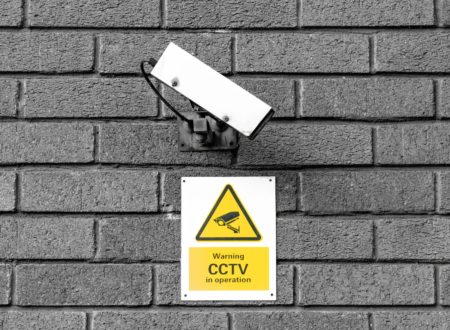
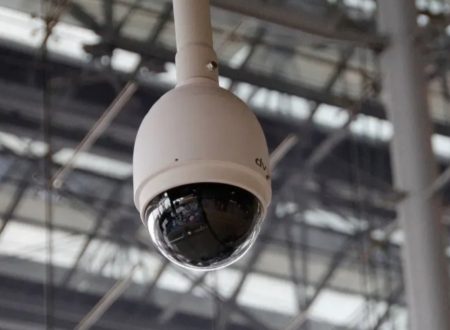
Video Surveillance Alarms:
Integrated with video cameras, these alarms trigger alerts based on suspicious activity or unauthorized access.
Access Control Systems:
While not traditional alarms, access control systems regulate and monitor entry to buildings or specific areas, often incorporating alarms for unauthorized access attempts.
When selecting an alarm system, it’s essential to consider the specific needs of the environment or property being protected. Many modern alarm systems are integrated, combining multiple features to provide comprehensive security solutions.

Which type of Alarm System should I use?
The type of alarm system you should use depends on various factors, including your specific security needs, the nature of the environment you want to secure, and any regulations or requirements applicable to your situation. Here are some considerations to help you determine which type of alarm system is most suitable for your needs:
- Security Goals: Identify your primary security objectives. Are you primarily concerned with preventing break-ins, detecting fires, monitoring for environmental hazards, or ensuring the safety of individuals?
- Property Type: The type of property you want to secure plays a crucial role. Residential properties may require burglar alarms, fire alarms, and possibly medical alarms. Businesses might need a combination of intrusion detection, fire detection, and access control.
- Location: Consider the location of your property. For example, if you live in an area prone to natural disasters, such as earthquakes or floods, environmental alarms may be essential.
- Budget: Your budget will impact the type and extent of the alarm system you can implement. Determine how much you are willing to invest in both the initial installation and ongoing monitoring costs.
- Integration: Integrated alarm systems that combine multiple functionalities can provide more comprehensive security. For example, a system that integrates burglar alarms with video surveillance and access control can offer a holistic approach to security.
- Regulatory Requirements: Some industries or regions have specific regulations regarding security measures. Ensure that your chosen alarm system complies with any relevant legal or regulatory requirements.
- Scalability: Consider whether the alarm system can be easily expanded or modified as your needs change. Scalability is important, especially for growing businesses or evolving security requirements.
- Monitoring Options: Decide whether you want a monitored alarm system that alerts a security company or emergency services when triggered, or if you prefer a system that provides alerts directly to you.
- User-Friendliness: Choose an alarm system that is user-friendly and can be easily operated by individuals who may not be familiar with complex technology.
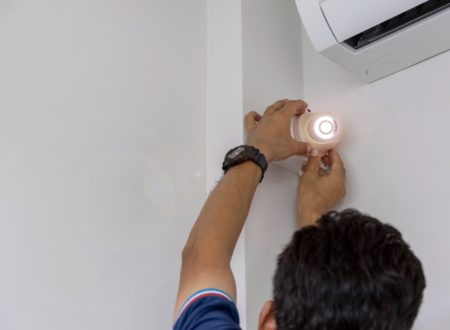
- Professional Installation vs. DIY: Determine whether you prefer a professionally installed system or a do-it-yourself (DIY) solution. Some alarm systems are designed for easy self-installation, while others may require professional installation for optimal performance.
It’s advisable to consult with security professionals or alarm system providers to assess your specific needs and receive personalized recommendations based on your circumstances. Additionally, researching customer reviews and seeking recommendations from trusted sources can help you make an informed decision.