
 By
By 
The function of enclosures for home security is to provide protective housing for security devices such as cameras, sensors, control panels, and other sensitive components.
What is housings and enclosure for security?
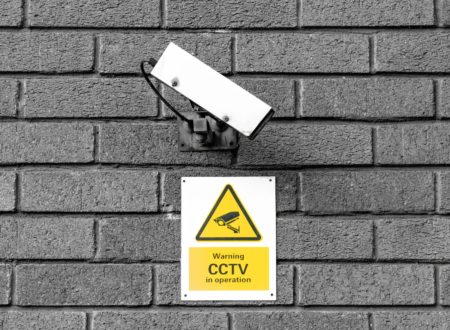
An enclosure for security, often referred to as a “security housing and enclosure,” is a protective housing or casing designed to house and safeguard various security-related devices and components. These enclosures are used to shield sensitive equipment from environmental factors, physical damage, tampering, and unauthorized access. Security enclosures can be used for a variety of purposes, such as housing surveillance cameras, sensors, alarms, access control systems, intercoms, and other security devices.
Key features of security enclosures may include weatherproofing, impact resistance, tamper-proof locks, ventilation for heat dissipation, and sometimes even heating or cooling mechanisms to maintain optimal operating conditions for the enclosed equipment. These enclosures play a crucial role in ensuring the reliability, functionality, and longevity of security systems by protecting the critical components they house.

Function of housings and enclosures for home security
The function of enclosures for home security is to provide protective housing for security devices such as cameras, sensors, control panels, and other sensitive components. These enclosures serve several key purposes:
Physical Protection: Enclosures shield security equipment from environmental factors like rain, snow, dust, and extreme temperatures, ensuring reliable operation in various conditions.
Tamper Resistance: High-quality enclosures are designed with tamper-proof features, deterring unauthorized access and vandalism to the enclosed devices.
Security: By securely housing security devices, enclosures prevent tampering or disabling of equipment by intruders, maintaining the integrity of the home security system.
Aesthetics: Enclosures are often designed to blend seamlessly with the architectural aesthetics of a home, maintaining a cohesive appearance while accommodating security equipment.
Longevity: Enclosures extend the lifespan of security devices by shielding them from wear and tear, reducing maintenance needs and replacement costs.
Reliability: Ensuring that security devices function consistently and accurately is crucial for effective home security, and enclosures contribute to this reliability.
Integration: Enclosures allow for discreet integration of security equipment into the home environment, minimizing visual impact.
Remote Monitoring: Enclosures often house cameras and sensors that facilitate remote monitoring of the property, enhancing overall security awareness.
Enclosures play a critical role in preserving the functionality, reliability, and security of home security systems by safeguarding sensitive equipment from external elements and potential tampering.