
 By
By 
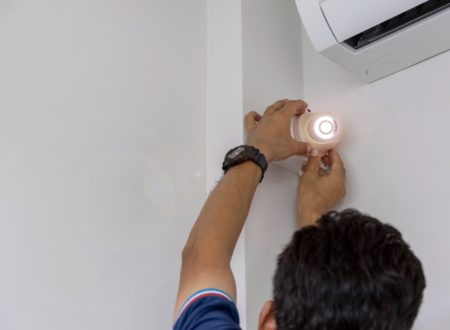
With the increasing importance of home and business security, many individuals are considering the installation of security cameras to protect their properties. One common question that arises is whether it’s possible to install a security camera system on your own, without professional assistance. In this article, we will explore the feasibility and advantages of DIY (Do-It-Yourself) security camera installation.
However, it’s important to note that DIY installation may not be suitable for everyone or every scenario. Factors such as the complexity of the system, the level of technical expertise required, and the specific needs of your property should be carefully considered before embarking on a DIY installation project.
So, whether you’re a homeowner or a small business owner looking to enhance your security measures, join us as we explore the possibilities and considerations surrounding DIY security camera installation. Discover the advantages, learn the necessary steps, and empower yourself to make an informed decision about installing a security camera system on your own.
The Advantages of DIY Security Camera Installation
As the demand for security camera systems continues to rise, many individuals are considering the option of DIY (Do-It-Yourself) installation to save costs and gain a sense of accomplishment. While DIY projects can be rewarding in various aspects, it’s essential to understand that security camera installation often requires technical skills and expertise. In this article, we aim to shed light on the advantages of professional security camera installation services and why relying on experts can lead to a successful and efficient installation.
Comprehensive Knowledge and Expertise
- Technical know-how: Professional installers possess in-depth knowledge of security camera systems, including the latest technologies, industry standards, and best practices.
- Proper system setup: Experts can assess your property, determine the ideal camera placements, and configure the system for optimal coverage and functionality.
- Integration capabilities: Professional installers are skilled in integrating security cameras with other security components, such as alarms and access control systems, creating a comprehensive security solution.
Efficient and Time-Saving Installation
- Equipment and tools: Professionals have access to specialized tools and equipment required for installation, ensuring a smooth and efficient process.
- Experience and efficiency: Experienced installers can efficiently handle wiring, mounting, and network setup, saving you time and minimizing the risk of errors or complications.
- Quick troubleshooting: In case of any technical issues, professional installers can promptly identify and resolve problems, ensuring a properly functioning system from the start.
Enhanced Security and Reliability
- Proper camera placement: Professional installers have the expertise to strategically position cameras, minimizing blind spots and maximizing coverage to ensure comprehensive surveillance.
- Secure wiring and connections: Experts ensure that wiring and connections are properly secured and protected, reducing the risk of tampering or signal interference.
- System testing and optimization: Professional installation includes thorough system testing to ensure all components function correctly, providing reliable and uninterrupted security coverage.
Personalized Solutions and Support
- Tailored recommendations: Professional installers can assess your specific security needs and recommend the most suitable camera system, taking into account factors like property size, layout, and desired functionalities.
- Ongoing support: With professional installation, you can benefit from ongoing technical support, system maintenance, and potential upgrades, ensuring long-term peace of mind.
While DIY security camera installation may seem appealing, it’s crucial to recognize the advantages that professional installation services bring to the table. From comprehensive knowledge and expertise to efficient installation, enhanced security, and personalized support, relying on professionals can lead to a successful and reliable security camera system. By choosing professional installation services, you can ensure that your security needs are met effectively, providing you with the utmost protection and peace of mind.
Essential Tools and Equipment for DIY Installation

Border checkpoints and immigration
Embarking on a DIY (Do-It-Yourself) security camera installation project can be an empowering endeavor. To ensure a successful installation, it’s crucial to have the right tools and equipment at your disposal. In this article, we will explore the essential tools and equipment required for a smooth and efficient DIY security camera installation. By understanding these tools and their functions, you can approach your installation project with confidence and achieve professional-level results.
Power Drill and Bits
Screwdrivers
Fish Tape or Wire Pulling Tools
Level
Cable Crimper and Connectors
Cable Tester
Ladder or Stepladder
Cable Management Accessories
Electrical Tape and Wire Cutters
Smartphone or Laptop
Remember, the specific tools and equipment required may vary depending on the complexity of your installation, the type of cameras being installed, and the layout of your property. Before starting your DIY installation, thoroughly assess the requirements and ensure you have the necessary tools on hand to facilitate a smooth and successful installation.
Choosing the Right Location for Your Security Camera
Selecting the optimal location for your security cameras is a crucial step in ensuring effective surveillance and maximum coverage for your home or business. The placement of cameras plays a significant role in capturing clear and useful footage while deterring potential intruders. In this article, we will explore the key factors to consider when choosing the right location for your security cameras, empowering you to make informed decisions that enhance the security of your property.
- Identify Vulnerable Entry Points:
- Coverage Area and Camera Range:
- Camera Placement:
- Outdoor cameras
- Indoor cameras
- Lighting Conditions:
- Adequate lighting
- Night vision capabilities
- Considerations for Residential vs. Commercial Settings:
- Residential settings
- Commercial settings
- Privacy and Legal Considerations
- Test Camera Angles and Views
Every property is unique, and the ideal camera locations may vary based on individual circumstances. Regularly assess and update camera placements as needed to adapt to changing security needs. By carefully selecting the right locations for your security cameras, you can maximize their effectiveness in deterring potential threats and enhancing the overall security of your premises.
Troubleshooting Common Issues in DIY Security Camera Installation

DIY (Do-It-Yourself) security camera installation projects can be rewarding, but they can also come with challenges. Understanding and troubleshooting common issues that may arise during the installation process can help ensure a smooth and successful setup. In this article, we will explore some of the common issues encountered in DIY security camera installation and provide troubleshooting tips to help you overcome them. By being prepared and equipped with the right knowledge, you can address these issues effectively and achieve a reliable and functional security camera system.
- Power and Connectivity Issues:
- Check power connections
- Test network connectivity
- Poor Video Quality or No Video Feed:
- Check camera focus
- Assess lighting conditions
- Verify camera settings
- Inadequate Camera Coverage:
- Adjust camera angles
- Evaluate camera range
- Issues with Remote Access or Mobile Viewing:
- Check network configuration
- Verify mobile app compatibility
- Image Interference or Distortion:
- Address signal interference
- System Firmware and Software Updates:
- Keep firmware up to date
- Install software updates
- Troubleshooting Network Issues:
- Reboot devices
- Check network bandwidth
Troubleshooting issues in DIY security camera installation requires patience and persistence. Consult the camera manufacturer’s documentation, user manuals, and online support resources for specific troubleshooting steps. If necessary, seek professional assistance or consult with technical support for further guidance. By troubleshooting common issues effectively, you can ensure a reliable and fully functional security camera system that provides the peace of mind and protection you desire.
Installing a security camera yourself offers several advantages, including:
- Cost Savings
- Flexibility and Control
- Learning Experience
- Immediate Installation
- Privacy and Security
- Quick Troubleshooting
- Expansion and Upgrades
- Familiarity with the System
- Empowerment and Satisfaction
- Immediate Awareness
During a DIY security camera installation, it’s important to be aware of common challenges and potential pitfalls that you may encounter. These include:
- Technical Knowledge and Skills
- Wiring and Cable Management
- Power Supply
- Camera Placement and Coverage
- Network Connectivity
- Video Quality and Adjustments
- System Compatibility
- Security Concerns
- Legal and Privacy Considerations
- Time and Effort