
 By
By 
What is an IP Camera?
An IP camera, short for Internet Protocol camera, is a type of digital video camera that captures and transmits video and audio data over an IP network, such as a local area network (LAN) or the internet. IP cameras are commonly used for surveillance and security purposes but also find applications in various other fields.
Here are the key characteristics and features of IP cameras:
Digital Technology: IP cameras capture video and audio in a digital format, ensuring high-quality and consistent footage.
Network Connectivity: They connect to an IP network using Ethernet cables or Wi-Fi, allowing for remote access and control.
Resolution Options: IP cameras come in various resolutions, including standard definition (SD), high definition (HD), full high definition (Full HD or 1080p), and even ultra-high definition (4K or UHD). This flexibility enables users to choose the level of image detail they require.
Compression: Video data is often compressed using codecs like H.264 or H.265 to reduce bandwidth usage and storage requirements while maintaining video quality.
Remote Access: One of the primary advantages of IP cameras is the ability to access live and recorded footage remotely through a web browser or dedicated software. This feature is particularly useful for remote monitoring and management.
Power over Ethernet (PoE): Some IP cameras support PoE, which allows both data and power to be supplied over a single Ethernet cable. This simplifies installation and reduces the need for separate power sources.
Two-Way Audio: Many IP cameras feature built-in or optional two-way audio capabilities, enabling users to communicate with people on the camera’s premises.
Motion Detection and Alerts: IP cameras often include motion detection technology that can trigger alerts or recording when motion is detected in predefined areas.
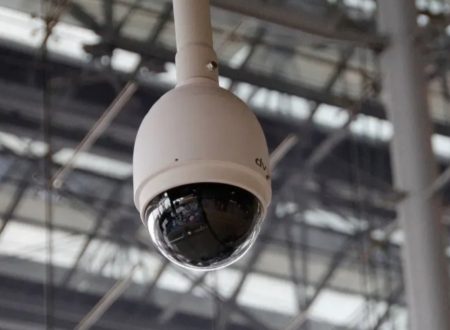
Pan-Tilt-Zoom (PTZ) Functionality: Some IP cameras offer PTZ capabilities, allowing remote control of the camera’s pan, tilt, and zoom functions for flexible monitoring.
Advanced Features: Depending on the model and brand, IP cameras can have advanced features like infrared (IR) night vision, wide dynamic range (WDR) for challenging lighting conditions, and onboard analytics for object detection and tracking.
Integration: IP cameras can integrate with other security systems and devices, such as alarms, access control systems, and video management software.
Scalability: IP camera systems can be easily expanded by adding more cameras to the network, making them suitable for both small-scale and large-scale surveillance applications.
What is a HD CCTV Camera?
A High-Definition Closed-Circuit Television (HD CCTV) camera is a type of surveillance camera that is designed to capture and transmit high-definition video footage for security and monitoring purposes. Unlike IP cameras, which use digital technology and network connectivity, HD CCTV cameras typically rely on analog technology and are part of a closed-circuit television (CCTV) system. Here are the key characteristics and features of HD CCTV cameras:
Analog Technology: HD CCTV cameras use analog technology to capture video footage. This means that the video signal is transmitted as an analog signal from the camera to a recording device.
Resolution Options: HD CCTV cameras offer high-definition (HD) resolutions, such as 720p (1280×720 pixels) or 1080p (1920×1080 pixels), which provide clear and detailed images.
Coaxial Cabling: These cameras typically require coaxial cables to transmit video signals from the cameras to a central recording device, which is often a Digital Video Recorder (DVR) or a Network Video Recorder (NVR). The coaxial cables are used in a closed circuit, hence the term “closed-circuit television.”
Limited Remote Access: While it is possible to set up remote access for HD CCTV systems, it often involves additional equipment and configurations, making it less straightforward and convenient compared to IP camera systems.
Storage: Video footage from HD CCTV cameras is typically stored on physical recording devices (DVRs or NVRs). The storage capacity of these devices can vary, and they may have limitations in terms of scalability.
Basic Features: HD CCTV cameras are primarily designed for basic surveillance purposes. They may offer features like day/night vision, motion detection, and basic camera settings, but they generally have fewer advanced features compared to IP cameras.
Fixed or Varifocal Lenses: HD CCTV cameras may come with fixed lenses or varifocal lenses, which allow users to adjust the camera’s field of view manually.
Integration: While HD CCTV cameras can be integrated into a CCTV system, their integration capabilities are typically more limited compared to IP cameras. They are often used as standalone devices within a closed-circuit environment.
The choice between IP (Internet Protocol) cameras and HD (High Definition) CCTV cameras depends on various factors and your specific requirements. Here’s a comparison to help you understand the differences:
Differences Between IP and HD CCTV
Image Quality
IP security cameras generally offer higher image quality compared to HD CCTV cameras. They can provide resolutions ranging from 1080p (Full HD) to 4K or even higher, resulting in clearer and more detailed images.
Flexibility and Scalability:
IP cameras are more flexible and scalable as they operate over an IP network. They can be easily integrated into existing network infrastructure, and their installation and configuration are typically simpler. IP cameras also support features like remote access and management, making them suitable for large-scale deployments and systems with multiple cameras.
Analog Compatibility
HD CCTV cameras, also known as analog cameras, can be advantageous in scenarios where there is an existing analog infrastructure in place. They can work with legacy analog systems, allowing for a cost-effective upgrade by replacing older cameras with higher resolution options.
Bandwidth and Storage
IP cameras generally require higher bandwidth and storage capacity due to their higher resolution and network-based operation. They generate larger data files, which can impact network performance and require more storage space compared to HD CCTV cameras. However, advancements in compression technologies (e.g., H.265) help mitigate this issue.
Cost
HD CCTV cameras tend to be more affordable compared to IP cameras. They offer a cost-effective solution, especially when upgrading an existing analog system, as there is no need for additional network infrastructure.
Advanced Features
IP cameras often offer more advanced features such as video analytics, motion detection, facial recognition, and integration with other security systems. These features leverage the capabilities of IP networks and can provide enhanced functionality for specific surveillance needs.
IP and HD CCTV Which is better?
IP cameras
IP cameras Advantages:
- High-Resolution Options: IP cameras offer a wide range of resolutions, including 4K and higher, for superior image quality.
- Digital Technology: They capture video in digital format from the start, ensuring clear and consistent video quality.
- Remote Access: IP cameras are easily accessible remotely via the internet, making them ideal for remote monitoring and management.
- Advanced Features: They often come with advanced features like two-way audio, analytics, and integration capabilities.
- Scalability: IP camera systems are highly scalable, allowing you to add more cameras as needed.
IP cameras Disadvantages:
- Cost: IP camera systems can be more expensive upfront, especially when factoring in network infrastructure.
- Complexity: Setting up IP cameras may require more technical expertise, particularly for network configuration and security.
HD CCTV cameras
HD CCTV cameras Advantages:
- High-Definition Video: HD CCTV cameras provide clear and detailed video at a lower cost compared to IP cameras.
- Simplicity: They are simpler to set up and manage, making them suitable for users with less technical expertise.
- Existing Infrastructure: If you have an existing analog CCTV system, you can often upgrade it to HD CCTV without replacing all the equipment.
HD CCTV Disadvantages:
- Limited Remote Access: Accessing HD CCTV footage remotely can be more challenging and may require additional equipment and configurations.
- Fewer Advanced Features: HD CCTV cameras typically offer fewer advanced features compared to IP cameras.
- Analog Technology: They rely on analog technology, which can limit the flexibility and scalability of the system.
IP cameras generally provide higher image quality, scalability, and advanced features, making them suitable for large-scale deployments and systems that require flexibility and remote access. HD CCTV cameras can be a cost-effective option when working with existing analog infrastructure. Consider factors like image quality, scalability, compatibility, budget, and desired features to determine which option is better suited for your specific situation.