
 By
By 
Multi-sensor and single-sensor security cameras serve different purposes and have various advantages and disadvantages.
What does single sensor camera mean?
A single sensor camera is a type of camera that uses a single image sensor to capture images or video. The image sensor is a crucial component in a camera that converts light into an electrical signal, creating a digital representation of the scene being photographed or recorded. Single sensor cameras have only one of these image sensors.
Here are some key points to understand what a single sensor camera means:
Image Sensor: In a single sensor camera, there is only one image sensor. This sensor could be a charge-coupled device (CCD) or a complementary metal-oxide-semiconductor (CMOS) sensor, both of which are common in digital cameras.
Simplicity: Single sensor cameras are relatively straightforward in design. They have one lens and one sensor to capture light and create images. This simplicity makes them easy to use and maintain.
Consumer Cameras: Many consumer-level digital cameras, including compact digital cameras and digital single-lens reflex (DSLR) cameras, are single sensor cameras. These cameras are widely used for photography and video recording in everyday life.
Point-and-Shoot Cameras: Entry-level point-and-shoot cameras typically use a single sensor for capturing images. They are designed for ease of use and portability.
Cost-Effective: Single sensor cameras are often more affordable than cameras with multiple sensors, such as those used in high-end professional or specialized applications.
Applications: Single sensor cameras are used in various applications, including consumer photography, videography, surveillance, and many other areas where capturing images or video is required.
It’s important to note that the quality and capabilities of single sensor cameras can vary widely, from basic consumer cameras to more advanced professional models. When selecting a camera, consider your specific needs, the level of image or video quality required, and the features that are important for your intended use.
What are the advantages and disadvantages of using a single-sensor camera?
Single-sensor cameras have their own set of advantages and disadvantages, depending on the specific application and requirements. Here are some of the key advantages and disadvantages of using a single-sensor camera:
Advantages of Single-Sensor Cameras
Simplicity: Single-sensor cameras are straightforward in design, making them easy to set up and operate. They are suitable for users with limited technical expertise.
Cost-Effective: Single-sensor cameras are generally more affordable than multi-sensor cameras. This makes them an attractive choice for budget-conscious consumers and businesses.
Portability: Many single-sensor cameras are compact and lightweight, making them highly portable. They are suitable for on-the-go photography or videography.
Interchangeable Lenses: Some single-sensor cameras, especially DSLRs and mirrorless cameras, offer the flexibility of interchangeable lenses. This allows users to adapt the camera to various photography styles and scenarios.
Diverse Applications: Single-sensor cameras are versatile and can be used in a wide range of applications, from consumer photography and videography to scientific imaging and industrial inspection.
User-Friendly: These cameras often come with user-friendly interfaces and automatic settings, making them accessible to users of all skill levels.
Disadvantages of Single-Sensor Cameras
Limited Field of View: Single-sensor cameras typically have a narrower field of view compared to multi-sensor cameras. This may require more cameras to cover the same area effectively in surveillance or panoramic photography.
Reduced Immersion: In applications where a wide, immersive view is needed (e.g., virtual reality or panoramic photography), single-sensor cameras may fall short.
Image Quality Trade-Offs: To accommodate a smaller size and price point, some single-sensor cameras may sacrifice image quality and features compared to larger, more expensive models.
Lack of Redundancy: If a single-sensor camera fails, there is no backup sensor within the same camera to continue capturing images. In some applications, this can be a critical disadvantage.
Limited Low-Light Performance: While many single-sensor cameras offer good low-light performance, they may not match the capabilities of more advanced multi-sensor systems in extremely low-light conditions.
Application-Specific Limitations: Single-sensor cameras are optimized for specific purposes, and they may not be the best choice for applications that require extensive coverage or advanced image processing.
What does multi-sensor camera mean?
A multi-sensor camera, also known as a multi-sensor surveillance camera, is a type of camera system that incorporates multiple image sensors and lenses within a single camera housing. These sensors work together to capture images or video from different angles or directions simultaneously. Multi-sensor cameras are commonly used in surveillance and security applications, as they offer several advantages compared to single-sensor cameras. Here are some key features and considerations for multi-sensor cameras:
Key Features of Multi-Sensor Cameras
Multiple Image Sensors: Multi-sensor cameras have two or more image sensors, typically arranged side by side within the camera housing. Each sensor is paired with its own lens.
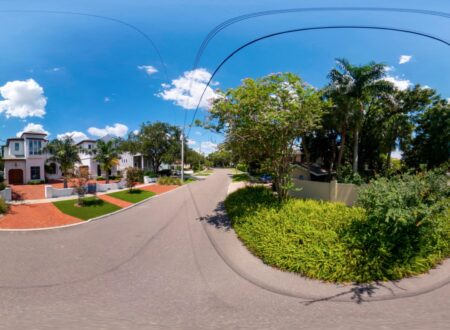
Panoramic Views: These cameras are designed to provide wide-angle or panoramic views, covering a larger area compared to single-sensor cameras. They can capture a 180-degree or even a 360-degree field of view.
Reduced Blind Spots: Multi-sensor cameras help reduce blind spots, as they can capture images from different angles simultaneously. This is especially useful in surveillance and security applications to monitor a larger area effectively.
High Resolution: To maintain image quality across multiple sensors, multi-sensor cameras often have high-resolution sensors, resulting in detailed and clear images.
Integration with Software: Multi-sensor cameras are often integrated with software that stitches together the images from each sensor to create a single panoramic image or video stream.
Applications of Multi-Sensor Cameras
Surveillance and Security: Multi-sensor cameras are widely used for surveillance and security purposes, particularly in locations where comprehensive coverage is critical, such as airports, parking lots, and large public areas.
Wide-Angle Photography: In photography, multi-sensor cameras can be used to capture wide-angle or panoramic images, providing an immersive view of a scene.
Virtual Reality (VR): Multi-sensor cameras are employed in VR content creation to capture 360-degree videos and images, which can be experienced in virtual reality headsets.
Live Streaming: They are used for live streaming in applications where a broad field of view is needed, like event coverage and sports broadcasting.
Traffic Monitoring: Multi-sensor cameras are used in traffic monitoring systems to capture multiple lanes or intersections from a single vantage point.
Multi-sensor cameras offer a practical solution for applications that require extensive coverage and reduced blind spots. However, they tend to be more expensive and complex than single-sensor cameras, and they may require additional software or hardware for proper image stitching and management. The choice between single-sensor and multi-sensor cameras depends on the specific requirements of the application.
What are the advantages and disadvantages of using a multi-sensor camera?
Multi-sensor cameras offer several advantages and disadvantages, depending on the specific application and requirements. Here are some of the key advantages and disadvantages of using a multi-sensor camera:
Advantages of Multi-Sensor Cameras
Wider Coverage: Multi-sensor cameras can capture a significantly larger field of view compared to single-sensor cameras. They are ideal for monitoring large areas or providing panoramic views, reducing the need for multiple individual cameras.
Reduced Blind Spots: Multiple sensors and lenses in a single camera housing help minimize blind spots, making them especially valuable for surveillance and security applications.
High Resolution: Many multi-sensor cameras use high-resolution image sensors to maintain image quality across the entire field of view, ensuring detailed and clear images and videos.
Cost-Efficiency: In situations where multiple single-sensor cameras would be necessary to cover the same area, multi-sensor cameras can be a cost-effective solution, as they reduce the overall equipment and installation costs.
Simplified Installation: Fewer cameras need to be installed, reducing the complexity of the installation process and the associated cabling and infrastructure requirements.
Disadvantages of Multi-Sensor Cameras
Complexity: Multi-sensor cameras are more complex in design than single-sensor cameras, which can make them more challenging to set up, configure, and maintain. They may also require additional software for image stitching.
Higher Initial Cost: Multi-sensor cameras are generally more expensive than single-sensor cameras due to their advanced technology and multiple image sensors.
Processing and Storage Demands: Handling and processing the data from multiple sensors can be resource-intensive, requiring more powerful hardware and storage solutions.
Potential Distortion: In some multi-sensor cameras, there can be issues with image distortion at the edges where the multiple images are stitched together. However, this can be mitigated with proper calibration and software.
Limited Flexibility: Multi-sensor cameras are designed for specific applications, and their fixed lenses may not offer the flexibility of interchangeable lenses, which is a feature available in some single-sensor cameras.
Environmental Considerations: In outdoor applications, multi-sensor cameras may need additional weatherproofing and mounting solutions to ensure the durability and reliability of the system.
Multi-sensor and single-sensor camera similarities
Multi-sensor and single-sensor cameras have several similarities, as they are both types of cameras designed for capturing images or video. Here are some of the common similarities:
Capture Images and Video: Both multi-sensor and single-sensor cameras are designed to capture visual data, such as images and video footage. They serve the same fundamental purpose of recording and preserving visual information.
Electronic Image Sensors: Both types of cameras rely on electronic image sensors to convert light into electrical signals, which are then processed to create digital images or video. These sensors include CCD (charge-coupled device) and CMOS (complementary metal-oxide-semiconductor) sensors.
Lens Systems: Both multi-sensor and single-sensor cameras use lenses to focus and direct light onto the image sensor(s). Lenses are essential for controlling factors like focus, depth of field, and exposure.
Adjustable Settings: Both types of cameras typically allow users to adjust settings such as exposure, ISO sensitivity, aperture (for cameras with interchangeable lenses), and sometimes white balance. This gives photographers and videographers control over the final output.
Various Applications: Both multi-sensor and single-sensor cameras find applications in a wide range of fields, including consumer photography, videography, surveillance, industrial imaging, and scientific research.
Digital Output: Both types of cameras produce digital output, which can be stored on memory cards or transmitted for display on screens or further processing.
Power Sources: They are powered by batteries or electrical sources and are portable, allowing for use in various environments.
While these are common similarities, it’s important to note that multi-sensor and single-sensor cameras also have distinct differences in terms of their capabilities and specific applications. Multi-sensor cameras are typically used for scenarios where a wide field of view is essential, such as surveillance or panoramic photography, while single-sensor cameras are often used for more conventional photography and videography. The choice between the two depends on the specific needs of the user or the requirements of the application.