
 By
By 
Large homes are often targeted for break-ins, as criminals may believe they are more likely to be empty at any given time. Installing security cameras is the best way to protect these residences, but there are other measures that homeowners can take to make property seem full even when they are empty.
Large homes are often targeted for break-ins, as criminals may believe they are more likely to be empty at any given time. Installing security camera systems is the best way to protect these residences, but there are other measures that home owners can take to make property seem full even when they are empty.
Enhancing Home Security for Large Residences
With the rise in property crime and security concerns, ensuring the safety of large residences has become a top priority for homeowners. Big houses present unique challenges when it comes to security, requiring robust solutions that cover vast areas and protect valuable assets effectively. In this article, we explore how to enhance home security for large residences using state-of-the-art technologies and smart strategies. From advanced security cameras to innovative accessories, we’ll delve into the best practices for safeguarding your expansive property and providing peace of mind for you and your family. Let’s dive in and discover the most effective ways to protect your big house with cutting-edge security solutions.
Assessing the Security Needs of Your Large Residence
- Understanding the Vulnerable Areas: Identifying potential entry points and weak spots.
- Conducting a Security Audit: Assessing the current security measures and their effectiveness.
Strategically Implementing High-Performance Security Cameras
- High-Quality Surveillance Cameras: Choosing the right cameras for large-scale monitoring.
- Optimal Placement for Maximum Coverage: Ensuring comprehensive surveillance across the property.
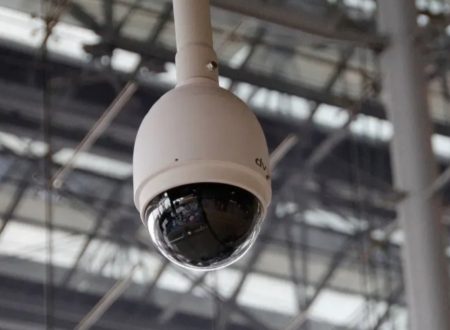
- Integrating PTZ Cameras: Using pan-tilt-zoom cameras for versatile and dynamic monitoring.
Embracing Smart Home Security Technology
- Security Camera Systems with AI Integration: Leveraging artificial intelligence for proactive security.
- Intelligent Motion Detection: Enhancing accuracy and reducing false alarms.
- Seamless Integration with Smart Devices: Creating a unified and interconnected security ecosystem.
Access Control Solutions for Enhanced Security
- Smart Locks and Biometric Access: Strengthening entry points with advanced authentication.
- Managing Access Permissions: Controlling who enters your premises and when.
- Integrating Access Control with Surveillance: Achieving a comprehensive security approach.
Cloud-Based Storage and Remote Monitoring
- Secure Cloud Storage: Storing footage off-site for data protection and easy access.
- Real-Time Remote Monitoring: Keeping an eye on your property from anywhere, anytime.
Motion Sensors, Alarms, and Deterrents
- Motion Sensors for Perimeter Protection: Detecting intruders before they breach your property.
- Alarm Systems for Immediate Response: Alerting you and authorities in case of suspicious activities.
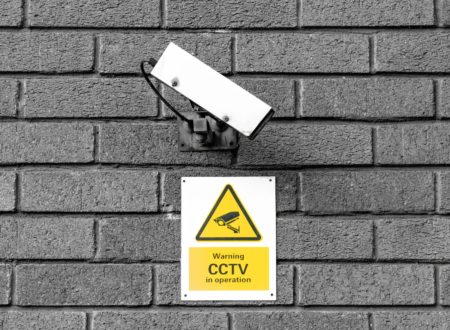
- Visible Deterrents: Using signage and visible security measures to discourage potential threats.
Selecting the Right Security Camera Accessories
- Weatherproof Housing: Protecting cameras from harsh environmental conditions.
- Infrared Illumination: Enabling clear footage even in low-light or nighttime conditions.
- Power Backup Solutions: Ensuring continuous surveillance during power outages.
Professional Installation vs. DIY Setup
- Hiring Experts for Precise Installation: Ensuring proper camera placement and setup.
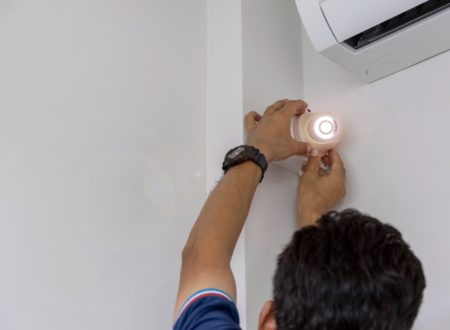
- DIY Installation for Tech-Savvy Homeowners: Exploring the DIY option for budget-conscious individuals.
Regular Maintenance and Updates
- Scheduled Camera Maintenance: Keeping cameras and accessories in top condition.
- Firmware Updates: Ensuring cameras have the latest security patches and features.
Privacy and Legal Considerations
- Understanding Privacy Laws: Complying with regulations regarding surveillance on private property.
- Informing Residents and Visitors: Maintaining transparency about security measures.
Key Features to Look for in Security Cameras
When it comes to choosing security cameras for your home, understanding the essential features is crucial to ensure effective surveillance and protection. With a myriad of options available in the market, it can be overwhelming to select the right cameras that meet your security needs. To help you make an informed decision, here are the key features to look for in security cameras:
- High Resolution:
- Night Vision
- Wide Field of View
- Pan, Tilt, and Zoom (PTZ)
- Two-Way Audio
- Motion Detection
- Mobile App Integration
- Cloud Storage or Local Storage Options
- Weather Resistance
- Encryption and Data Security
- Power Source and Backup
- Integration with Smart Home Systems
- Scalability and Expandability
- Brand Reputation and Customer Support
By considering these key features, you can find the perfect security cameras that align with your specific requirements and provide comprehensive protection for your home and loved ones.
Wireless vs. Wired Security Camera Systems: Pros and Cons
When it comes to choosing a security camera system for your home or property, one of the primary decisions you’ll face is whether to opt for a wireless or wired setup. Each type of system has its own set of advantages and disadvantages, and understanding these can help you make an informed decision based on your specific needs and preferences. Let’s explore the pros and cons of wireless and wired security camera systems:
Wireless Security Camera Systems
Pros
Easy Installation: Wireless cameras are relatively simple to install since they don’t require extensive wiring. This makes them an excellent choice for DIY installations, saving time and reducing installation costs.
Flexibility and Portability: Wireless cameras can be easily relocated and repositioned, providing flexibility in monitoring different areas of your property as needed.
Remote Access: Many wireless cameras come with mobile apps that enable remote access and live streaming, allowing you to monitor your property from anywhere using your smartphone or computer.
Aesthetics: Wireless cameras have a cleaner and less obtrusive appearance since there are no visible wires, making them more aesthetically pleasing, especially for indoor use.
Battery-Powered Options: Some wireless cameras are battery-operated, eliminating the need for a constant power source and allowing placement in areas without easy access to electrical outlets.
Cons
Signal Interference: Wireless cameras may experience signal interference from other wireless devices or obstacles like walls, which can affect the quality and reliability of the video feed.
Limited Range: The wireless range of cameras is generally limited compared to wired systems, especially for cameras placed far from the router or base station.
Battery Management: Battery-powered cameras require periodic battery replacement or recharging, which can be a hassle if not adequately managed.
Bandwidth Consumption: Streaming high-resolution video feeds from multiple wireless cameras can consume significant bandwidth, potentially affecting your internet connection’s performance.
Wired Security Camera Systems
Pros
Stable and Reliable: Wired cameras offer a more stable and reliable connection since they are directly connected to the network via Ethernet cables, eliminating the risk of signal interference.
Greater Range: Wired systems can cover larger distances from the network router or recording device without compromising video quality or transmission stability.
Continuous Power Supply: Wired cameras draw power from the electrical grid, ensuring uninterrupted surveillance without the need for battery replacements or recharging.
Higher Resolution: Wired cameras can support higher resolution video feeds since they are not as limited by bandwidth constraints as wireless cameras.
Cons
Complex Installation: Installing wired cameras involves running cables, which can be time-consuming and may require professional assistance, especially for larger properties.
Limited Flexibility: Once installed, wired cameras are less flexible to reposition or relocate compared to their wireless counterparts.
Vulnerable to Power Outages: Wired systems may lose surveillance capabilities during power outages unless backup power solutions like UPS (Uninterruptible Power Supply) are in place.
Visible Wires: The presence of visible wires can be less aesthetically appealing, especially for indoor installations.