
 By
By 
In the context of cameras, “4K” refers to a video resolution standard that is approximately 4,000 pixels wide. It is one of the most common high-definition video resolutions used in professional and consumer video recording and playback. Specifically, 4K resolution typically refers to a display or video format with a horizontal pixel count of around 3,840 pixels and a vertical pixel count of around 2,160 pixels. This gives it four times the number of pixels as the previous Full HD (1080p) resolution, resulting in a much higher level of detail and clarity in the video.
In 4K video recording, the camera captures and records video at this higher resolution, providing better image quality and more detail compared to lower-resolution formats. This is particularly important for applications like filmmaking, video production, and photography, where the ability to capture high-quality, detailed images is crucial.
Keep in mind that 4K video may require more storage space and processing power, both during recording and playback, compared to lower-resolution formats, so it’s essential to consider your camera’s capabilities, storage capacity, and editing tools when working with 4K video content.
Types of 4K Video Security Cameras
There are several types of 4K video security cameras available on the market, each designed for specific surveillance needs and environments. Here are some common types of 4K security cameras:
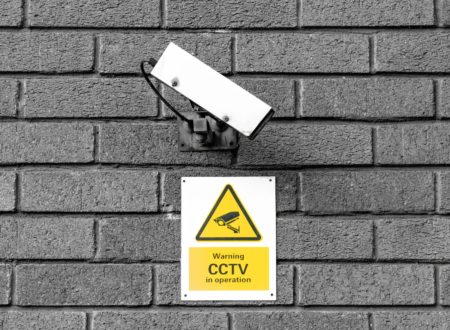
4K Bullet Cameras: These cameras are typically cylindrical or rectangular in shape and are designed for outdoor use. They are easy to mount on walls or ceilings, and their design often acts as a visible deterrent to potential intruders.
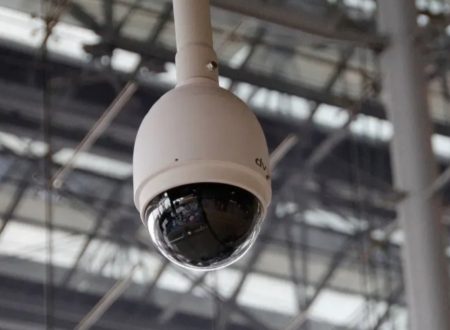
4K Dome Cameras: Dome cameras are enclosed in a dome-shaped housing, which makes them less conspicuous and less susceptible to tampering. They are often used for indoor surveillance but can also be used outdoors.
4K PTZ (Pan-Tilt-Zoom) Cameras: PTZ cameras allow you to remotely control the camera’s pan, tilt, and zoom functions. They are versatile and can cover large areas with a single camera. PTZ cameras are often used in applications where active monitoring is required.
4K Box Cameras: These are traditional box-shaped cameras that are more customizable and often used in specialized applications. They can be fitted with various lenses to meet specific surveillance needs.
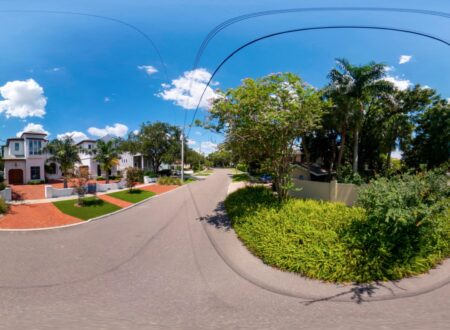
4K Fisheye Cameras: Fisheye cameras provide a 360-degree panoramic view of an area. They are ideal for wide-area surveillance and can often replace multiple traditional cameras.
4K Thermal Cameras: Thermal cameras capture heat signatures rather than visible light. They are useful in low-light or no-light conditions and can detect intruders based on their body heat.
4K Bullet Cameras with Infrared (IR) Night Vision: These cameras have built-in IR LEDs that provide clear video even in complete darkness. They are suitable for outdoor surveillance at night.
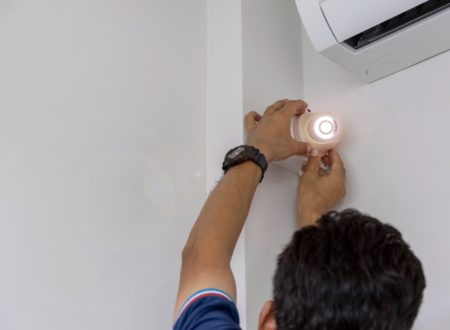
4K Wireless Security Cameras: These cameras use Wi-Fi or other wireless technologies for connectivity, making them easy to install without extensive cabling. They are suitable for both indoor and outdoor use.
4K PoE (Power over Ethernet) Cameras: These cameras receive both power and data over a single Ethernet cable. PoE cameras are easy to install and are commonly used in IP-based surveillance systems.
4K Specialty Cameras: Some specialty cameras are designed for specific purposes, such as license plate recognition (LPR) cameras, explosion-proof cameras for hazardous environments, or cameras with audio capabilities.
When selecting a 4K video security camera, consider factors like the environment where it will be installed, your specific surveillance needs, budget, and whether you need additional features such as audio recording, motion detection, or smart home integration. Additionally, make sure your recording and storage equipment can handle the increased data generated by 4K cameras, as high-resolution video requires more storage space and processing power.