
 By
By 
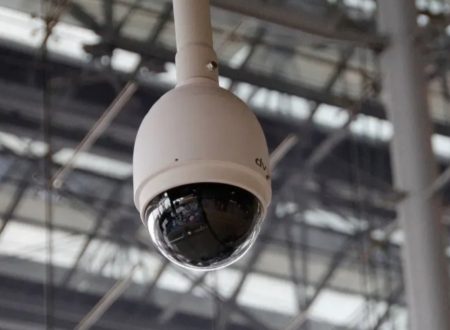
Named after their unique and spherical design, dome cameras are an effective type of security camera perfect for capturing full coverage. These devices are named after the protective dome placed around the camera. Whereas the bullet style is known for being direct with long-range surveillance, dome cameras are typically rated for short to mid-range areas while providing a discrete method for surveillance. As a result, these cameras are excellent for the interior of homes, offices, and more.
Hikvision, Arecont Vision, Hanwha Techwin, Vivotek, Axis, Bosch, LTS Security, Honeywell, and more brands manufacture some of the best dome cameras sold through A1 Security Cameras!
What is a Dome Cameras?
Dome cameras are security cameras with a design that is specifically defined by the protective dome that goes around the camera. These devices provide a flexible and discreet solution to indoor surveillance. Unlike other cameras, dome cameras typically have a compact design that is not as noticeable to many, especially when implemented into a wall or ceiling. Furthermore, through their small yet durable design, security camera system planning has become far more manageable than ever before, allowing for placement in both tight spaces and in industrial environments.
Are dome cameras better?

Depending on your environment, dome cameras can be an excellent option for surveillance and security. However, A1 Security Cameras suggests they be used primarily for indoor environments. Such is due to a common problem that arises from moisture inside the device and when being in direct sunlight. While not a problem that completely neutralizes the security camera, it will cause the perspiration and moisture inside the dome to dry, making it difficult or impossible to see through for the camera. While a secure installation and drying pack placed with the internal hardware typically does the trick, our technicians have found these cameras perform at a superior level, specifically indoors.
What can dome cameras see?
Many dome cameras are built with LED lights and are effective during direct sunlight, normal light, and low light surveillance. Typically, these devices produce excellent quality surveillance and can provide high-resolution video footage at an impressive compression level. Despite their protective dome, these security cameras offer some of the best options for indoor surveillance while being exceptionally smaller than the other cameras available on the market.
Do dome cameras rotate?
One of the best features dome cameras offer is the 360-degree coverage they provide. They do indeed rotate, making very little noise when doing so when functioning in a given installation and offering owners the option of covering more than one section like multiple hallways, larger rooms, and more. These cameras are designed to rotate, sometimes also featuring a motorized zoom lens that can better focus in on specific aspects of their environment and can be particularly effective when installed with a wide-angle lens.
What are the advantages of dome security cameras?
Dome security cameras offer several advantages that make them a popular choice for surveillance and security applications. These advantages include:
Discreet Design: Dome cameras have a compact and unobtrusive design, making them less conspicuous and more aesthetically pleasing than other camera types. Their dome-shaped enclosures can blend into various environments, making them ideal for both indoor and outdoor installations.
Vandal Resistance: Many dome cameras are designed with vandal-resistant features, including impact-resistant housings and tamper-proof screws, which help protect the camera from physical attacks and tampering.
360-Degree Coverage: Dome cameras are often equipped with wide-angle lenses and provide a 360-degree field of view, enabling them to cover large areas with just one camera. This can reduce the need for multiple cameras in a single location.
Versatility: Dome cameras can be mounted on ceilings or walls, offering flexibility in installation. Some models have pan, tilt, and zoom (PTZ) capabilities, allowing you to adjust the camera’s angle and view remotely.
Weather Resistance: Many dome cameras are designed to withstand various weather conditions, including rain, snow, and extreme temperatures, making them suitable for outdoor surveillance.
Low Light and Infrared (IR) Capabilities: Some dome cameras come with low-light or IR capabilities, which enable them to capture clear footage in low-light and no-light conditions. This is especially important for nighttime surveillance.
Aesthetic Appeal: The design of dome cameras is less intimidating and may be less likely to provoke a reaction from individuals being monitored. This can be particularly important in public spaces or customer-facing environments.
Privacy and Sun Protection: The dome enclosure can provide a degree of privacy, preventing the camera from pointing directly into sensitive areas. It can also protect the camera from glare and direct sunlight, ensuring clear video quality.
Ease of Installation: Dome cameras are relatively easy to install, and their cables can often be hidden within the housing or the ceiling, resulting in a neat and tidy appearance.
Tamper Evident: When equipped with certain features like a transparent dome, dome cameras provide a visual indicator of camera direction, discouraging unwanted activities.
Cost-Effective for Wide-Angle Coverage: Dome cameras with wide-angle lenses can be cost-effective for covering large open areas, reducing the number of cameras needed.
Remote Access and Control: Many dome cameras can be accessed and controlled remotely, allowing you to adjust camera settings, view live footage, and receive alerts from a mobile device or computer.
Overall, the discreet and versatile nature of dome security cameras, combined with their durability and ability to provide comprehensive coverage, makes them a popular choice for a wide range of surveillance and security applications. However, the specific advantages can vary depending on the camera model and brand, so it’s essential to choose the right camera for your specific needs.
Dome cameras can feature a vandal-resistant and weatherproof exterior with a rating based on the Ingress Protection Standards. As mentioned, these cameras are also capable when planning out a security camera system, being effective in tight spaces while providing an expansive view. However, the best yet is the lack of size change when looking for dome cameras with features like infrared, high resolution, wide-angle, and more.
What are the disadvantages of dome security cameras?
While dome security cameras offer numerous advantages, they also come with certain disadvantages that you should consider when choosing a surveillance solution. Here are some of the disadvantages of dome security cameras:
Cost: Dome cameras can be more expensive than some other types of security cameras, such as bullet cameras. The cost may increase if you require additional features like PTZ (pan, tilt, zoom) or high-resolution capabilities.
Limited Range and Zoom: Some dome cameras may have limited zoom capabilities compared to other camera types. This can be a drawback if you need to capture distant or detailed objects or areas.
Visibility: The discreet design of dome cameras can work both ways. While their inconspicuous appearance can be an advantage, it can also mean that potential intruders or individuals being monitored may not realize they are on camera, reducing their deterrent effect.
Installation and Maintenance: Dome cameras are often mounted on ceilings or high walls, which can make installation and maintenance more challenging and costly. It may require specialized equipment or professional installation.
Limited Field of View: Dome cameras usually have a fixed lens, which means they may have a limited field of view compared to some other camera types. This can necessitate the installation of multiple cameras to cover larger areas.
Vandalism: While many dome cameras are designed to be vandal-resistant, they are not immune to tampering or vandalism. Some determined individuals may still be able to damage or obstruct the camera’s view.
Reflection and Glare: Dome cameras with transparent or tinted domes may suffer from glare or reflections in certain lighting conditions, which can affect the quality of the footage.
Infrared Limitations: Dome cameras with infrared (IR) night vision may have limitations in terms of distance and clarity in low-light or no-light conditions. This can affect their performance in complete darkness.
Limited Camera Adjustability: Dome cameras with fixed lenses lack the adjustability of some other camera types. You cannot easily change the angle or field of view once they are installed without physically repositioning the camera.
Complex Cable Management: Running cables for dome cameras installed on ceilings or walls can be more complex than with other camera types, and it may require additional cable management to maintain a neat and unobtrusive appearance.
Despite these disadvantages, dome security cameras remain a popular choice in many surveillance applications due to their durability, aesthetic appeal, and versatility. The specific drawbacks of dome cameras can vary based on the camera’s brand, model, and features, so it’s important to consider your unique security needs and budget when selecting a camera type.
Different types of dome security cameras
Dome cameras come in various styles and designs, each tailored to specific surveillance needs and preferences. Here are some of the different styles of dome cameras:
Fixed Dome Cameras: These are the most common type of dome cameras and feature a fixed lens that provides a specific field of view. They are typically used in applications where a fixed angle of view is sufficient, such as monitoring specific areas or entrances.
PTZ Dome Cameras: PTZ (Pan, Tilt, Zoom) dome cameras are motorized and allow for remote control of the camera’s pan, tilt, and zoom functions. This flexibility is useful for tracking moving subjects or adjusting the camera’s focus on different areas.
Vandal-Resistant Dome Cameras: Vandal-resistant dome cameras are built to withstand physical abuse, making them ideal for locations where tampering or vandalism is a concern. They are typically encased in tough, impact-resistant housings.
Outdoor Dome Cameras: These dome cameras are specifically designed to withstand various weather conditions, including rain, snow, and extreme temperatures. They are sealed against moisture and dust, ensuring reliable outdoor surveillance.
Indoor Dome Cameras: Indoor dome cameras are designed for use in indoor environments. They are often smaller and less rugged than outdoor counterparts but offer a more discreet appearance.
IR (Infrared) Dome Cameras: IR dome cameras are equipped with infrared LEDs that provide night vision capabilities. They can capture clear footage in low-light or no-light conditions, making them suitable for 24/7 surveillance.
Wide-Angle Dome Cameras: Wide-angle dome cameras have lenses with a broader field of view, allowing them to cover larger areas with a single camera. They are useful for monitoring open spaces or crowded areas.
Mini Dome Cameras: Mini dome cameras are compact and low-profile, making them ideal for installations where aesthetics are a concern. They are often used in retail stores, hotels, and similar environments.
Covert Dome Cameras: Covert dome cameras are designed to be inconspicuous and are often disguised as smoke detectors, light fixtures, or other objects. They are used for discreet surveillance in settings where a hidden camera is necessary.
Flush-Mount Dome Cameras: Flush-mount dome cameras are installed directly into ceilings or walls, creating a streamlined and unobtrusive appearance. They are commonly used in areas where aesthetics are essential.
Tinted Dome Cameras: Some dome cameras have tinted or smoked domes that obscure the camera’s direction without compromising image quality. This design can be used for privacy or to prevent individuals from knowing the camera’s focus.
Audio Dome Cameras: Audio dome cameras come equipped with built-in microphones or audio input ports to capture audio along with video. They are used for applications where audio recording is essential.
360-Degree Dome Cameras: These cameras have fisheye lenses and can capture a complete 360-degree view of the surroundings. Specialized software can dewarp the footage for a more conventional view.
The choice of dome camera style depends on factors like the surveillance environment, required features, and aesthetic considerations. Some dome cameras may combine multiple features, such as being both vandal-resistant and equipped with infrared night vision, to meet specific security needs.
Do dome cameras have audio?
Audio is a feature dependent on the individual camera. They are absolutely capable of featuring audio when they are modern in design, but it is not a feature in high demand. The reason for that is because of liability and legal issues that inherently come with the inclusion of audio.
Where are dome cameras most used?
Dome cameras are commonly used for surveillance and security purposes in various settings. Their compact and discreet design, along with their versatility, makes them suitable for a wide range of applications. Some of the places where dome cameras are most commonly used include:
Commercial and Retail Spaces: Dome cameras are frequently used in retail stores, shopping malls, and commercial buildings to monitor customer activity, prevent theft, and ensure the safety of employees and visitors.
Banks and Financial Institutions: These cameras are often employed in banks to monitor customers and employees, deter potential robberies, and provide evidence in case of criminal activity.
Hotels and Hospitality: Dome cameras can be found in hotel lobbies, corridors, and other public areas to enhance security and guest safety.
Government Buildings: Government facilities, including courthouses, city halls, and other administrative buildings, often use dome cameras to ensure security and monitor public areas.
Transportation Hubs: Airports, train stations, and bus terminals use dome cameras for crowd control, security, and surveillance in various areas, including terminals, parking lots, and platforms.
Educational Institutions: Schools, colleges, and universities install dome cameras to enhance safety and security on campus, monitor entry and exit points, and deter criminal activity.
Residential Areas: Dome cameras are used in homes and residential neighborhoods to monitor property entrances, driveways, and common areas.
Hospitals and Healthcare Facilities: Healthcare facilities use dome cameras to secure sensitive areas, monitor access points, and ensure the safety of patients and staff.
Industrial and Manufacturing Facilities: Dome cameras are installed in factories and industrial settings to monitor production lines, warehouses, and other critical areas for security and quality control.
Public Spaces: Some cities and municipalities deploy dome cameras in public spaces like parks, streets, and transportation stops for public safety and surveillance purposes.
Entertainment Venues: Dome cameras can be found in sports stadiums, concert venues, and amusement parks to monitor crowds and ensure the safety of attendees.
Correctional Facilities: Prisons and correctional institutions use dome cameras to monitor inmate activities and maintain security.
Dome cameras are popular in these settings because they offer a combination of discreet design, durability, and flexibility. They can be mounted on walls or ceilings, and their dome-shaped enclosures provide some level of protection against tampering. Additionally, some dome cameras are equipped with features like pan, tilt, and zoom (PTZ) capabilities, infrared night vision, and vandal-resistant housing, making them suitable for a wide range of surveillance applications.