
 By
By 
An access control card reader is a device used in physical security systems to control and manage access to buildings or secure areas. It is part of an access control system that uses cards or credentials to grant or deny entry to individuals.
Here’s how it generally works:
Access Cards/Credentials: Individuals are issued access cards or credentials, which could be in the form of proximity cards, smart cards, key fobs, or similar devices. These cards contain unique information associated with the user.
Card Reader: The access control card reader is installed at entry points such as doors or gates. When an individual wants to gain access, they present their access card to the card reader.
Authentication: The card reader reads the information stored on the access card and sends it to the access control system for verification.
Access Control System: The access control system checks the information received from the card reader against its database to verify the user’s identity and permissions.
Decision Making: Based on the verification, the system makes a decision to either grant or deny access. If the individual is authorized, the door or gate is unlocked or opened.
Access control card readers can use various technologies, including magnetic stripe, barcode, proximity cards (RFID), smart cards (with embedded chips), or biometric data (fingerprint or retina scans). The choice of technology depends on the security requirements and the level of sophistication desired for the access control system.
Who should buy access control card readers?
Access control card readers are essential for a variety of organizations and businesses that prioritize security and wish to control and monitor access to their premises. The following entities often invest in access control card readers:
Businesses and Corporations: Companies of all sizes use card readers to secure offices, sensitive areas, and data centers.
Government Institutions: Government offices, agencies, and institutions implement access control systems to protect classified information and control physical access.
Educational Institutions: Schools, colleges, and universities use card readers to enhance campus security, safeguard classrooms, and restrict entry to specific areas.
Healthcare Facilities: Hospitals, clinics, and research centers use access control to secure patient records, laboratories, and restricted medical areas.
Financial Institutions: Banks and financial organizations utilize card readers to secure vaults, data centers, and confidential information.
Manufacturing and Industrial Facilities: Factories and industrial sites implement access control to protect sensitive production areas and control employee access.
Retail Stores: Retailers use access control to secure stockrooms, offices, and other restricted areas to prevent theft and unauthorized access.
Residential Buildings: Apartment complexes, condominiums, and gated communities employ access control for secure entry and to monitor visitor access.
Hotels and Hospitality: Hotels use access control to secure guest rooms, back-of-house areas, and other restricted zones.
Technology and Data Centers: Companies operating data centers and IT facilities utilize access control to safeguard servers, networking equipment, and sensitive data.
Transportation Hubs: Airports, train stations, and bus terminals use access control to secure critical infrastructure and restricted areas.
Critical Infrastructure: Power plants, utility facilities, and other critical infrastructure sectors implement access control for heightened security.
Entertainment Venues: Stadiums, concert halls, and event venues use access control to manage entry and secure VIP or backstage areas.
Any Organization with Security Concerns: Any entity with security concerns or the need to control and monitor physical access can benefit from access control card readers.
Investing in access control systems helps organizations enhance overall security, protect assets, and maintain a controlled and monitored environment. The specific needs and requirements of each organization will determine the type and features of access control card readers they choose to implement.
What are the benefits of Access Control Card Readers?
Access control card reader offer several benefits for organizations and businesses looking to enhance their security measures:
Improved Security: Enhances physical security by restricting access to authorized individuals, preventing unauthorized entry and potential security breaches.
Access Monitoring: Provides a detailed audit trail, allowing organizations to monitor and track entry and exit events for better security management.
Customizable Access Levels: Allows administrators to define and customize access levels, granting specific permissions to individuals based on their roles and responsibilities.
Efficient Access Management: Streamlines the process of granting and revoking access, reducing the need for physical keys and simplifying access management.
Enhanced Data Security: Safeguards sensitive information and data stored in secure areas, protecting against unauthorized access and data breaches.
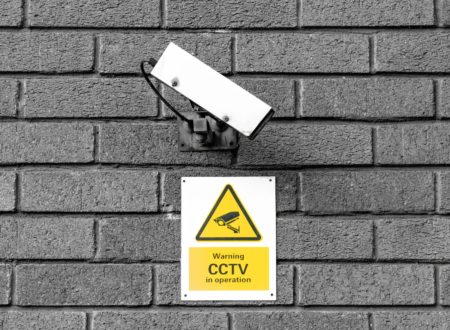
Integration Capabilities: Integrates seamlessly with other security systems such as CCTV cameras and alarms, creating a comprehensive security infrastructure.
Increased Deterrence: Acts as a deterrent to unauthorized individuals, as the visible presence of access control systems signals a commitment to security.
Flexible Permissions: Allows for temporary or time-restricted access permissions, facilitating controlled access for visitors, contractors, or temporary staff.
Remote Management: Enables administrators to manage and monitor access control systems remotely, providing flexibility and convenience.
Quick Response to Security Incidents: Facilitates rapid response to security incidents by providing real-time alerts and notifications for unauthorized access attempts.
Cost-Effective: Reduces costs associated with physical key management, rekeying locks, and addressing security breaches by providing a more efficient and scalable solution.
Compliance with Regulations: Helps organizations comply with industry and regulatory standards related to security and access control.
Employee Safety: Enhances employee safety by ensuring that only authorized personnel have access to certain areas, reducing the risk of workplace incidents.
Visitor Management: Simplifies visitor management by providing temporary access cards, ensuring visitors only enter approved areas during their visit.
Anti-Passback Features: Implements anti-passback functionality to prevent the unauthorized sharing of access cards and enhance overall system security.
Increased Accountability: Promotes accountability by associating access events with specific individuals, aiding in investigations and accountability measures.
Scalability: Offers scalability to accommodate the growth of an organization, allowing for the addition of new card readers and users as needed.
Access control card readers contribute to a holistic approach to security, providing a versatile and effective solution for organizations of all sizes and across various industries.