
 By
By 
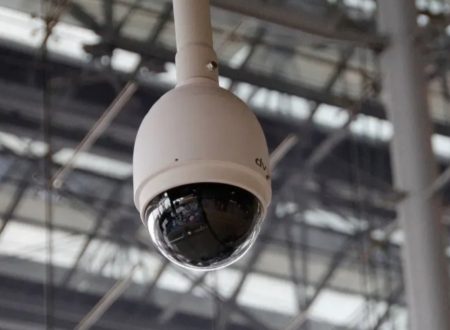
An AI security camera, also known as an artificial intelligence security camera, is a type of surveillance camera equipped with artificial intelligence (AI) capabilities that enable it to analyze and interpret visual data in real-time. These cameras use advanced machine learning algorithms to process video footage and make intelligent decisions based on what they “see.” AI security cameras offer several benefits and features that go beyond traditional surveillance cameras. Here are some key characteristics of AI security cameras:
Object Recognition: AI cameras can recognize and classify objects within their field of view, distinguishing between people, vehicles, animals, and other objects. This enables them to detect specific types of objects or individuals.
Facial Recognition: Some AI security cameras have the ability to identify and recognize faces. They can match faces to pre-loaded databases, making them suitable for access control and identifying known individuals.
License Plate Recognition (LPR): AI security cameras with LPR technology can capture and read license plate numbers from vehicles, which is valuable for parking management, access control, and tracking vehicle movements.
Intrusion Detection: These cameras can identify and alert users to unauthorized entry or intrusion into restricted areas, helping enhance security.
Abnormal Behavior Detection: AI security cameras can recognize unusual or suspicious behaviors, such as loitering, sudden crowd formation, or people falling. This is useful for identifying potential security threats.
Object Tracking: Some AI cameras are capable of tracking the movement of specific objects or individuals within their field of view, allowing for continuous monitoring of particular areas.
Motion Detection: AI-powered cameras can distinguish between human and non-human motion, reducing false alarms triggered by animals or other moving objects.
Cross-Line Detection: These cameras can detect when an object or person crosses a predefined virtual line or enters a restricted zone.
Smart Alerts: AI security cameras send real-time alerts and notifications to security personnel or property owners, enabling swift responses to potential security incidents.
Video Analytics: AI cameras offer advanced video analytics capabilities, such as counting people or vehicles, monitoring traffic flow, and providing valuable insights from recorded footage.
Behavior Analysis: These cameras can analyze and understand the behavior of individuals or objects over time, helping in identifying patterns and anomalies.
Integration: Many AI security camera systems can be seamlessly integrated with other security and access control systems, creating a more comprehensive security solution.
AI security cameras have significantly improved security and surveillance by providing more intelligent and proactive monitoring capabilities. They help reduce false alarms, increase the efficiency of security personnel, and improve overall safety and security in various settings, including homes, businesses, public spaces, and critical infrastructure. However, it’s essential to consider privacy and ethical considerations when deploying AI surveillance systems, as they may raise concerns related to data privacy and surveillance practices.
Are AI security cameras worth it?
Whether AI security cameras are worth it depends on your specific security needs, budget, and priorities. Here are some factors to consider when evaluating the value of AI security cameras:
Advanced Capabilities: AI security cameras offer advanced features like object recognition, facial recognition, license plate recognition, and behavioral analysis. These capabilities can significantly enhance security by providing more intelligent and accurate monitoring.
Reduced False Alarms: AI cameras can distinguish between real security threats and false alarms triggered by animals or non-human movement. This can reduce the burden on security personnel and prevent unnecessary responses.
Efficiency: AI cameras can automate tasks like counting people or vehicles, monitoring traffic flow, and detecting intrusions, leading to increased efficiency in security management.
Real-time Alerts: AI cameras can send immediate alerts in response to specific events, allowing for faster response times to security incidents.
Integration: Many AI cameras can be integrated with other security and access control systems, providing a more comprehensive security solution.
Cloud-Based Access: Some AI camera systems offer cloud-based storage and remote access, making it easier to store and access recorded footage from anywhere with an internet connection.
Privacy Concerns: Consider the privacy implications of AI surveillance. Advanced features like facial recognition raise privacy and ethical concerns. Ensure you are compliant with local laws and regulations.
Cost: AI security cameras tend to be more expensive than traditional cameras due to their advanced features and capabilities. Consider whether the added functionality justifies the higher cost.
Use Case: Evaluate your specific use case. AI security cameras are particularly valuable in high-security environments, such as critical infrastructure, airports, or facilities with large crowds. For simpler applications, traditional cameras may suffice.
Long-term Value: Consider the long-term benefits and cost savings that AI security cameras may offer in terms of improved security and reduced operational costs.
Vendor Reputation: Choose a reputable vendor known for reliable AI technology and good customer support.
In conclusion, AI security cameras can provide significant benefits in terms of enhanced security and operational efficiency. However, their worthiness depends on your particular security requirements and budget. For high-security environments with a need for intelligent monitoring and rapid response, AI security cameras can be a valuable investment. It’s important to conduct a thorough cost-benefit analysis and consider the specific use case before making a decision.