
 By
By 
The power supply for security cameras can vary depending on the type of camera and its installation requirements. Here are some common power supply options for security cameras:
Power Supply for Security Cameras
Plug and Play Power Supply:
Many security cameras come with a plug and play power adapter that can be plugged into a standard electrical outlet. These cameras typically use low-voltage DC (direct current) power, such as 12V DC or 24V DC, and may include a power adapter in the package.
Power over Ethernet (PoE):
PoE is a popular method for powering IP (Internet Protocol) cameras. It allows both data and power to be transmitted over a single Ethernet cable. PoE cameras can be powered by a PoE switch or a PoE injector, which injects power into the Ethernet cable. PoE is commonly used in larger surveillance systems because it simplifies wiring.
Battery-Powered Cameras:
Some wireless security cameras are battery-powered, eliminating the need for a traditional power supply. These cameras are typically rechargeable and can be installed in locations without access to electrical outlets.
Solar-Powered Cameras:
In remote or off-grid locations, solar-powered security cameras are an option. They have built-in solar panels that charge a battery, which in turn powers the camera. These cameras are environmentally friendly and can operate in areas with abundant sunlight.
Hardwired Cameras:
Some security cameras are hardwired directly into a building’s electrical system. This is common for fixed, indoor cameras that don’t require flexibility in their placement.
Power Adapters and Transformers:
For wired security cameras, power adapters and transformers are often used to convert standard AC (alternating current) power from an outlet to the DC voltage required by the camera. These adapters are rated to match the camera’s power requirements.
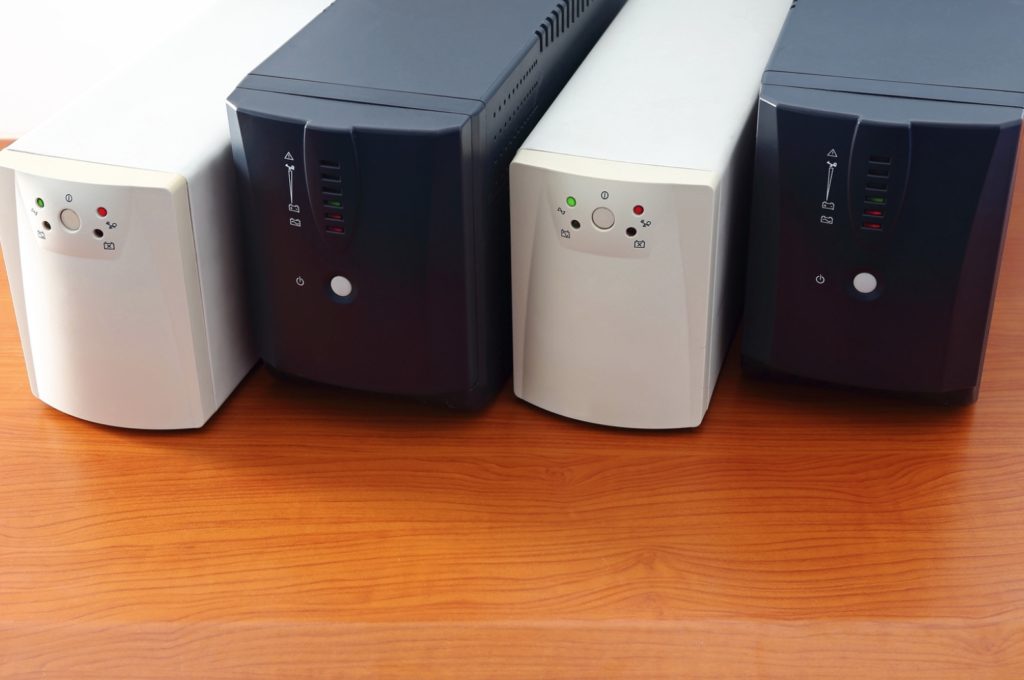
Uninterruptible Power Supply (UPS):
In critical applications where uninterrupted power is essential, a UPS can be used to provide backup power to security cameras in case of a power outage. This ensures continuous surveillance even during power interruptions.
It’s important to follow the manufacturer’s recommendations and specifications for power supply options when installing security cameras. Additionally, consider factors such as the camera’s power consumption, cable length, and power source availability when choosing the appropriate power supply method for your specific security camera setup.
Does cctv camera work without power supply?
CCTV (Closed-Circuit Television) cameras require a power supply to function. They need electrical power to operate their internal components, including the image sensor, lens, infrared LEDs (if equipped for night vision), and any other electronic components. Without a power source, CCTV cameras cannot capture or transmit video footage.
There are various methods of supplying power to CCTV cameras, as mentioned in the previous response, such as standard electrical outlets, Power over Ethernet (PoE), batteries, or solar panels. The specific power source will depend on the type and design of the CCTV camera, as well as the installation requirements.
While some battery-powered CCTV cameras exist, they are still reliant on power to operate. These cameras use rechargeable batteries, which will eventually need to be recharged or replaced when their power is depleted. Solar-powered CCTV cameras can operate in remote locations where traditional power sources are not available, but they still rely on stored solar energy in batteries to function during the night or in cloudy conditions.
In summary, CCTV cameras require a power supply, and the choice of power source depends on the camera’s design and the specific installation requirements.