
 By
By 
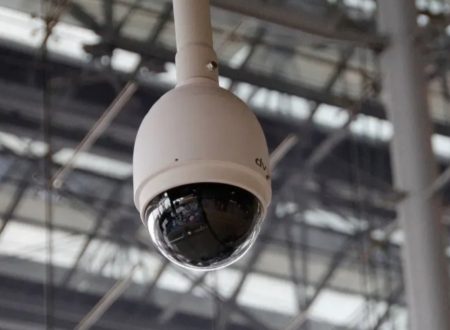
A turret security camera, also known as a turret dome camera, is a type of surveillance camera commonly used for security purposes. It belongs to the broader category of dome cameras, which are characterized by their dome-shaped housings. The turret design, in particular, has a compact and sleek appearance.
Key features of a turret security camera include
360-Degree Rotation: Turret cameras often have a ball-and-socket joint that allows for easy adjustment and rotation in multiple directions. This provides flexibility in positioning the camera to cover a wide area.
Vandal-Resistant Housing: The dome-shaped housing is typically made of durable materials, and some models are designed to be vandal-resistant. This makes them suitable for outdoor use and helps protect the camera from tampering or vandalism.
Infrared (IR) Night Vision: Many turret cameras are equipped with infrared LEDs to provide night vision capabilities. This allows the camera to capture clear images in low-light or completely dark conditions.
High Definition (HD) Resolution: Modern turret cameras often offer high-definition video resolution, providing sharp and detailed images for effective surveillance.
Weatherproof Design: Turret cameras designed for outdoor use are usually weatherproof, protecting them from elements like rain, snow, and dust.
Wide Dynamic Range (WDR): Some models feature WDR technology, which helps in capturing clear images even in challenging lighting conditions where there are both bright and dark areas.
Varifocal Lens: Turret cameras may have a varifocal lens, allowing users to manually adjust the focal length for a customized field of view.
Power-over-Ethernet (PoE) Support: Many turret cameras support Power-over-Ethernet, simplifying installation by allowing both power and data to be transmitted over a single Ethernet cable.
What are the pros and cons?
Turret cameras, like any surveillance technology, come with their own set of advantages and disadvantages. Here’s an overview of the pros and cons of turret cameras:
Pros
Aesthetically Pleasing: Turret cameras have a sleek and modern design, making them visually appealing. Their appearance is often less intimidating compared to other camera types, which may be desirable in certain settings.
Versatile Mounting: Turret cameras are designed for versatile mounting options, and their ball-and-socket joint allows for easy adjustment in various directions. This flexibility makes it easier to position the camera for optimal coverage.
Vandal-Resistant Design: Many turret cameras are built with durable and vandal-resistant materials, making them suitable for outdoor use and less susceptible to tampering or damage.
Infrared Night Vision: Turret cameras commonly feature infrared (IR) LEDs for night vision capabilities, ensuring effective surveillance in low-light or completely dark conditions.
Weatherproof Construction: Turret cameras designed for outdoor use often have weatherproof housing, protecting them from environmental elements like rain, snow, and dust.
High Definition (HD) Resolution: Modern turret cameras often offer high-definition video resolution, providing clear and detailed images for effective surveillance.
Wide Dynamic Range (WDR): Some models come with WDR technology, allowing the camera to capture clear images in environments with both bright and dark areas.
Power-over-Ethernet (PoE) Support: Many turret cameras support Power-over-Ethernet, simplifying installation by allowing both power and data to be transmitted over a single Ethernet cable.
Cons
Limited Pan/Tilt Range: Turret cameras may have a more limited pan/tilt range compared to some other types of cameras, which could affect coverage in certain situations.
Visible Housing: The dome-shaped housing of turret cameras may be more noticeable than some other types of cameras. In some cases, this visibility might deter potential intruders, but in others, it may be considered a drawback.
Installation Height: The ideal installation height for turret cameras is relatively low. If installed too high, their downward-facing orientation may limit their effectiveness in capturing facial details.
Cost: While turret cameras come in a range of price points, some high-end models with advanced features can be relatively expensive compared to simpler camera types.

Can a turret camera be used for home and business?
Yes, turret security cameras are versatile and can be used for both home and business security. They offer a range of features that make them suitable for various surveillance applications. Here are some reasons why turret cameras are commonly used in both residential and commercial settings:
Aesthetics: Turret cameras have a sleek and modern design, making them visually appealing. This aesthetic quality is often desirable for both home and business environments.
Versatile Mounting: Turret cameras are designed for versatile mounting options, allowing them to be easily adjusted to capture the desired field of view. This flexibility is beneficial for both indoor and outdoor installations.
Vandal-Resistant Design: Many turret cameras are built with durable and vandal-resistant materials, making them suitable for outdoor use and less susceptible to tampering or damage. This is important for both home and business security.
Infrared Night Vision: Turret cameras commonly feature infrared (IR) LEDs for night vision capabilities. This is crucial for monitoring in low-light conditions, providing effective surveillance during the night for both residential and commercial properties.
Weatherproof Construction: Turret cameras designed for outdoor use often have weatherproof housing, protecting them from environmental elements. This makes them suitable for securing the perimeter of both homes and businesses.
High Definition (HD) Resolution: Many turret cameras offer high-definition video resolution, providing clear and detailed images. This is beneficial for identifying people, objects, or incidents, making them suitable for both residential and commercial surveillance needs.
Wide Dynamic Range (WDR): Some turret cameras come with Wide Dynamic Range (WDR) technology, allowing them to capture clear images in environments with varying lighting conditions. This can be advantageous for monitoring both indoor and outdoor spaces.
Power-over-Ethernet (PoE) Support: Turret cameras often support Power-over-Ethernet (PoE), simplifying installation by allowing both power and data to be transmitted over a single Ethernet cable. This can be convenient for both home users and small businesses.
While turret cameras are suitable for a wide range of applications, it’s essential to consider specific requirements, such as the size of the area to be monitored, desired features (such as PTZ capabilities or advanced analytics), and the overall security goals when choosing a surveillance system for a particular home or business.
Turret vs dome vs bullet camera
Turret security cameras, dome cameras, and bullet security cameras are three common types of surveillance cameras, each with its own design and features. Here’s a comparison of these camera types:
Turret Cameras:
- Design: Turret cameras have a compact and sleek design, often with a ball-and-socket joint for versatile positioning.
- Visibility: The dome-shaped housing is more visible compared to bullet cameras, but it is often less conspicuous than traditional dome cameras.
- Mounting: Turret cameras can be easily adjusted to capture the desired field of view, and they are suitable for both indoor and outdoor installations.
- Vandal Resistance: Many turret cameras are designed to be vandal-resistant, making them durable and suitable for outdoor use.
- Night Vision: Turret cameras commonly feature infrared (IR) LEDs for night vision capabilities.
- Applications: Suitable for a wide range of applications, including homes, businesses, and outdoor environments.
Dome Cameras:
- Design: Dome cameras have a dome-shaped housing that conceals the direction the camera is facing.
- Visibility: Dome cameras are often more discreet and less noticeable than turret or bullet cameras.
- Mounting: Dome cameras are suitable for ceiling or wall mounting, and some models allow for PTZ (pan-tilt-zoom) functionality.
- Vandal Resistance: Many dome cameras are designed to be vandal-resistant, making them suitable for both indoor and outdoor use.
- Night Vision: Dome cameras may have infrared capabilities for night vision.
- Applications: Commonly used in indoor environments, retail spaces, offices, and areas where a more discreet surveillance presence is desired.
Bullet Cameras:
- Design: Bullet cameras have a cylindrical and elongated design, resembling a bullet.
- Visibility: Bullet cameras are more visible compared to dome cameras and may act as a deterrent to potential intruders.
- Mounting: Bullet cameras are typically mounted on walls or ceilings and are often adjustable for different angles.
- Vandal Resistance: Some bullet cameras are designed to be weatherproof and vandal-resistant, suitable for outdoor use.
- Night Vision: Many bullet cameras feature infrared LEDs for night vision capabilities.
- Applications: Commonly used for outdoor surveillance, parking lots, and areas where a visible deterrent is desirable.