
 By
By 
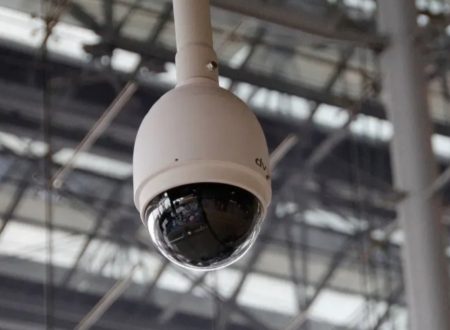
With the countless individuals who study, work and hang out on university campuses each day, it is important to practice seasoned tactics to maintain personal safety. Many colleges install surveillance systems to create a more secure campus, but if students and faculty are not aware of their surroundings, they can encounter theft and other problems.
What are the primary benefits of having security cameras in schools and university campuses?
Enhanced Safety and Security: The most obvious benefit of having security cameras in schools and university campuses is that they enhance overall safety and security by deterring potential criminal activities such as theft, vandalism, and violence.
Prevention of Bullying: Surveillance cameras can help deter incidents of bullying and other forms of harassment. They can provide evidence in situations where proof of behavior is required.
Real-time Monitoring: Security cameras allow for real-time monitoring of the premises. This can help in observing suspicious activities or individuals and take immediate actions.
Emergency Response: In case of emergencies like fires, natural disasters, or active shooter situations, security cameras can provide real-time information to first responders, aiding in their response.
Evidence Collection: In the event of a crime or dispute, the footage from security cameras can serve as evidence, aiding in investigations.
Traffic and Parking Management: On larger campuses, security cameras can help monitor traffic patterns and parking violations.
Enforcing Discipline: The presence of surveillance cameras can induce a sense of discipline among students, thereby promoting a conducive learning environment.
Facilities Management: They can also help in monitoring school and university facilities for maintenance issues.
Increases Students’ and Parents’ Confidence: Knowing the campus is monitored can increase the confidence and peace of mind of students, parents, and staff about the institution’s safety.
Reduces Costs: It can also reduce costs in the long run by preventing theft and vandalism, eliminating the need for physical security personnel in every corner of the campus.
How can security cameras improve the overall safety of students and staff?
Security cameras can play a significant role in improving the overall safety of students and staff in educational institutions. Here are several ways in which security cameras can enhance safety:
Deterrence of Criminal Activity: The mere presence of visible security cameras can act as a deterrent to potential criminals. Knowing that their actions are being recorded can dissuade individuals from engaging in harmful activities such as vandalism, theft, or violence on school premises.
Prevention of Unauthorized Access: Security cameras can monitor entrances, exits, and other access points to ensure that only authorized individuals enter the school grounds. This can help prevent trespassing and unauthorized entry, enhancing overall security.
Monitoring High-Traffic Areas: Cameras placed in high-traffic areas like hallways, cafeterias, and parking lots can help school staff quickly respond to incidents, such as fights or accidents, improving the safety of students and staff members.
Prompt Response to Emergencies: In the event of an emergency, security cameras can provide real-time information to law enforcement and emergency responders. This information can help them assess the situation and respond more effectively.
Documenting Incidents: Security cameras can record incidents as they occur, providing valuable evidence for investigations. This can be crucial in cases of bullying, harassment, or other misconduct, ensuring that appropriate actions are taken to address such issues.
Monitoring Remote Areas: Cameras can be placed in remote or less-frequented areas of the school, such as storage rooms or stairwells, to deter unauthorized access and ensure the safety of students and staff in these locations.
Supervising Visitors: Security cameras at entry points can help monitor visitors and their activities on campus. This can ensure that individuals who are not authorized to be on school property are identified and addressed promptly.
Traffic Management: In larger educational institutions, security cameras can help manage traffic flow during drop-off and pick-up times, reducing congestion and the potential for accidents in parking areas.
Student Accountability: Cameras in classrooms and common areas can encourage responsible behavior among students, as they are aware that their actions are being recorded. This can help maintain a safe and respectful learning environment.
Training and Evaluation: Security footage can be used for training purposes and to evaluate the effectiveness of safety protocols and emergency responses. Schools can use recorded incidents as a basis for improving safety measures.
How can security cameras aid in the prevention of bullying or violence in schools?
Security cameras can play a crucial role in preventing bullying and violence in schools by providing a proactive means of monitoring and addressing such incidents. Here are ways in which security cameras aid in this prevention:
Deterrence: The presence of security cameras can deter potential bullying or violent behavior as students are aware they are being monitored.
Evidence: In case of incidents, security cameras can provide clear evidence of what occurred. This can help in taking appropriate action against the culprit.
Monitor Hotspots: Schools can strategically place cameras in areas where bullying or violence is more likely to occur, such as hallways, cafeterias, or playgrounds.
Quick Response: The live feed from security cameras can help the school staff to quickly respond to any incidents, potentially preventing further escalation.
Behavioural Changes: Over time, the presence of cameras can encourage better behavior among students as they know their actions are being recorded.
Peace of Mind: Security cameras can give students, staff, and parents peace of mind knowing that measures are in place to ensure their safety.
Identify Troublemakers: Regular offenders can be easily identified and monitored, which can lead to early intervention and prevention.
Protects Staff: Cameras can also protect staff from false accusations by students or parents, providing an unbiased account of interactions.
Encourages Responsible Behavior: Knowing they are on camera, students and staff are more likely to behave responsibly, reducing incidents of violence or bullying.
Training and Prevention: Footage from incidents can be used in training programs, helping to educate staff and students about the signs of bullying or violence and how to prevent them.
How can security cameras help in monitoring and managing school and university facilities effectively?
Security cameras can be invaluable tools for monitoring and managing school and university facilities effectively. Here are several ways in which security cameras can contribute to this:
Monitoring Unauthorized Access: Security cameras can help in detecting any unauthorized access or trespassing in the school premises, especially after school hours.
Surveillance of Key Areas: Cameras can be placed in strategic locations such as laboratories, libraries, computer rooms, sports facilities etc. to ensure these resources are used appropriately.
Vandalism Deterrence: The presence of cameras can deter vandalism, which can save the school or university from unnecessary repair or replacement costs.
Maintenance Issues: Cameras can also help in identifying maintenance issues, such as leaks, breakages or any other facility malfunctions, enabling quicker repair and maintenance.
Crowd Management: In case of events or gatherings, security cameras can help in monitoring crowd movement and manage any potential security risks.
Traffic Flow Optimization: Cameras placed in parking lots and entrances can help monitor vehicle movement, optimizing traffic flow and ensuring student safety.
Efficient Emergency Response: In case of emergencies like fire, the live feed from security cameras can help first responders to evaluate the situation and plan their response effectively.
Monitoring Cleanliness: Cameras can also assist in maintaining cleanliness and hygiene in the premises by identifying areas that need attention.
Asset Protection: Security cameras can monitor valuable assets, such as computers, scientific equipment, art pieces, etc., reducing the risk of theft or damage.
Ensuring Policy Compliance: Cameras can ensure that students, staff and visitors comply with school or university policies, such as smoking bans or restricted area access.
Can security cameras be used as evidence in case of legal matters or disputes?
Yes, security camera footage can often be used as evidence in legal disputes or cases. It can provide objective documentation of incidents and potentially identify individuals involved. However, the use of such footage is subject to various laws and regulations, which can vary greatly by jurisdiction. Factors such as how the footage was obtained, where the camera was placed, whether the individuals recorded were aware they were being filmed, and the quality and clarity of the footage can all impact its admissibility in court. It’s always recommended to consult with a legal professional in your specific area to understand the laws applicable to you.
How can security cameras help in enforcing discipline and compliance with rules among students?
Security cameras can be a deterrent to misconduct and non-compliance with rules among students. Here are several ways how:
Prevent Misbehavior: The presence of security cameras can discourage students from breaking rules, engaging in vandalism, bullying, or other forms of misconduct. Students are less likely to misbehave if they know their actions are being monitored.
Evidence of Misconduct: In case of any disputes or allegations of misconduct, camera footage can serve as an objective record. It can help to determine the sequence of events and identify those involved.
Monitor Unsupervised Areas: Cameras can help to monitor areas that are difficult to supervise all the time, like hallways, stairwells, or outside spaces. This can help to enforce rules even when staff members are not present.
Promote a Safe Environment: The presence of cameras can contribute to a sense of safety and orderliness, which can encourage students to focus on their studies and comply with rules.
Enforce Attendance Policies: Cameras can help in monitoring student attendance, especially in larger schools.
It’s important to note, however, the use of security cameras in schools should be done in a way that respects privacy rights and is in accordance with local laws and regulations.
Can security cameras contribute to a reduction in theft or vandalism within the campus?
Yes, security cameras can significantly contribute to the reduction of theft and vandalism within a campus.
Deterrent Effect: The presence of security cameras can deter potential criminals. When individuals know they are being monitored, they are less likely to engage in criminal activities such as theft or vandalism.
Identifying Offenders: In the event that a crime does occur, security cameras can help identify the individuals involved. This can lead to their apprehension and discourage future crimes.
Evidence Collection: Security footage serves as an objective piece of evidence that can be used in investigations and legal proceedings.
Increased Security Presence: The presence of security cameras often signals a comprehensive security plan, which in and of itself can deter potential crimes.
Monitor High-Risk Areas: Cameras can be strategically placed in high-risk areas where theft or vandalism is more likely to occur, providing additional protection and oversight.
Remember, while security cameras can be a significant component of a security strategy, they should be used in conjunction with other measures like adequate lighting, secure locks, and security personnel for a comprehensive safety approach.
How cost-effective is the installation and maintenance of security cameras?
The cost-effectiveness of installing and maintaining security cameras can depend on various factors including the type of cameras, the size of the area to be monitored, the complexity of the installation, and ongoing maintenance costs.
Initial Costs: The upfront costs can vary widely. Basic home security cameras can be relatively inexpensive, while high-end systems for businesses or large properties can cost significantly more. The cost will also depend on how many cameras are needed to cover the area.
Installation Costs: If you’re able to install the cameras yourself, you can save on installation costs. However, larger or more complex systems may require professional installation, adding to the initial expense.
Maintenance Costs: Over time, cameras may require maintenance or repairs. Some companies offer maintenance plans that cover these costs.
Replacement Costs: Eventually, cameras will need to be replaced. This should be factored into the overall cost.
Monitoring Costs: Some systems include a monthly fee for professional monitoring services.
Despite these costs, many people find that security cameras are a cost-effective security measure. They can deter crime, provide valuable evidence in case of an incident, and offer peace of mind, which can be difficult to quantify in monetary terms. However, each situation is unique, so it’s important to assess your specific needs and budget before deciding.