
 By
By 
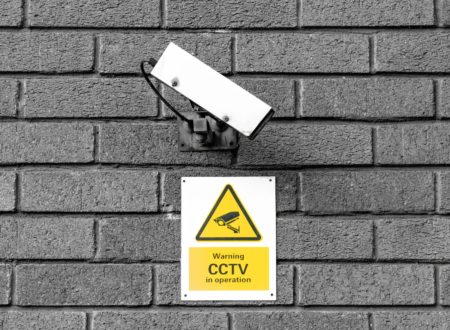
Gas stations typically use surveillance cameras for security and monitoring purposes. The specific type of cameras can vary, but common choices include:
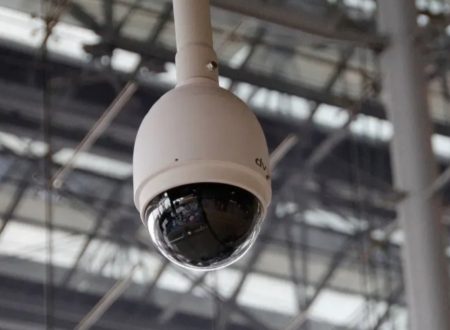
Dome Cameras: Dome security cameras are mounted on the ceiling and have a dome-shaped housing. They offer a wide field of view and are often used for indoor and outdoor surveillance.
Bullet Cameras: Bullet cameras are cylindrical in shape and are typically mounted on walls or ceilings. They are suitable for both indoor and outdoor use and are known for their long-range capabilities.
PTZ Cameras (Pan-Tilt-Zoom): PTZ cameras can be remotely controlled to pan, tilt, and zoom to capture a larger area. These cameras are useful for tracking and monitoring specific areas or individuals.
IP Cameras: Internet Protocol (IP) cameras use digital technology to transmit video and images over an IP network, such as the internet. They often provide higher resolution and more advanced features compared to analog cameras.
Infrared Cameras: Infrared cameras are equipped with infrared sensors to capture images in low-light or no-light conditions. This can be useful for nighttime surveillance.
Wireless Cameras: Some gas stations may use wireless cameras that transmit data without the need for physical cables. This can simplify installation and reduce the need for extensive wiring.
The choice of cameras depends on factors such as the gas station’s layout, security requirements, budget, and environmental conditions. Gas stations may also have a combination of different camera types to ensure comprehensive surveillance coverage. Additionally, modern systems may include features like motion detection, remote monitoring, and cloud storage for recorded footage.
Is it mandatory to have security cameras at gas stations?
The requirement for security cameras at gas stations can vary depending on the jurisdiction and local regulations. In many places, there may not be a universal mandate for gas stations to have security cameras, but there could be local ordinances or safety regulations that recommend or require them.
Gas stations often install security cameras voluntarily to enhance safety and deter criminal activities, such as theft, vandalism, or fraudulent activities at fuel pumps. Video surveillance can also be crucial in providing evidence in the event of a crime or an incident.
Even if there isn’t a specific legal requirement, gas station owners may choose to install security cameras as part of their risk management and loss prevention strategies. The presence of cameras can act as a deterrent to criminal activity, and in case of an incident, the recorded footage can aid law enforcement in investigations.
It’s important for gas station owners to be aware of and comply with any local regulations regarding security measures, including surveillance systems, to ensure the safety of their customers and the security of their property. Checking with local authorities or law enforcement agencies can provide specific information on any applicable regulations or recommendations in a particular area.
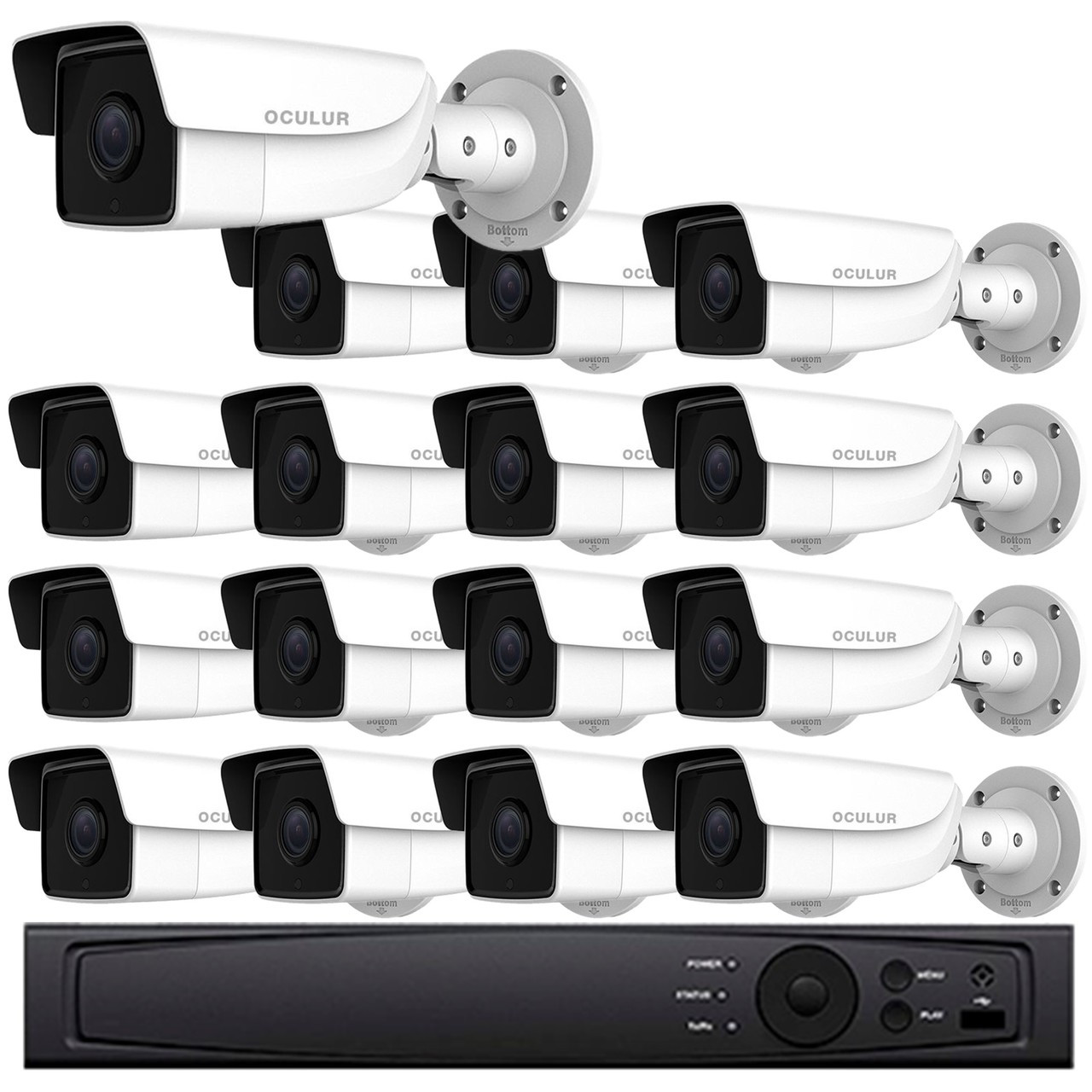
An all-in-one package balancing performance with affordability, this 16-camera surveillance system is an easy to install and simple solution for your security needs.
Why do gas stations have cameras?
Gas stations use cameras for several reasons related to security, safety, and operational monitoring:
Crime Deterrence: Visible cameras act as a deterrent to criminal activities such as theft, vandalism, and fraud. Knowing that their actions are being recorded discourages potential criminals.
Security: Cameras enhance the overall security of the gas station premises, helping to monitor and prevent unauthorized access, break-ins, or other security breaches.
Employee and Customer Safety: Surveillance cameras contribute to the safety of both employees and customers by providing a record of activities on the premises. In case of disputes or incidents, recorded footage can be reviewed to establish facts.
Monitoring Transactions: Cameras at fuel pumps and convenience store areas can monitor transactions, ensuring that customers are charged correctly and deterring any attempts at fraudulent activities.
Investigation and Evidence: In the unfortunate event of a crime or accident, recorded footage serves as valuable evidence for investigations carried out by law enforcement or insurance companies.
Operational Oversight: Cameras are often used for operational purposes, allowing gas station owners or managers to monitor day-to-day activities, manage inventory, and ensure smooth operations.
Emergency Response: In the case of emergencies, such as accidents or medical incidents, surveillance footage can be crucial for assessing the situation and coordinating emergency response efforts.