
 By
By 
As shown by our massive catalog of security cameras, there are multiple different types of surveillance that benefit homes and businesses across the world. With so many options to choose from, there are also various ways to hide them when you are looking not to advertise your surveillance or at least certain aspects of it. From installation to additional features added thereafter, there are multiple ways you can conceal your indoor and outdoor security cameras for surveillance.
An excellent tool at your disposal regardless of your location is the A1 Security Cameras system design service. Have our professionals put together the best security camera system for your home or business and electronically deliver it back to you. Our team can make concealing your camera when within reason and make the most out of surveillance within the parameters you set. Contact us today for more about our services and products!
| Idea | Description |
|---|---|
| Camouflage in Plants | Use planters or fake rocks with a built-in camera to blend in with garden foliage. |
| Birdhouse or Outdoor Decor | Install cameras inside decorative birdhouses or outdoor fixtures like lanterns or sculptures. |
| Functional Items | Integrate cameras into everyday items like smoke detectors, motion sensors, or outdoor lights. |
| Bookshelf or Decorative Shelves | Place small cameras among books or on decorative shelves for inconspicuous surveillance. |
| Wall Art Concealment | Embed cameras within framed art or wall decorations, ensuring they have a clear view. |
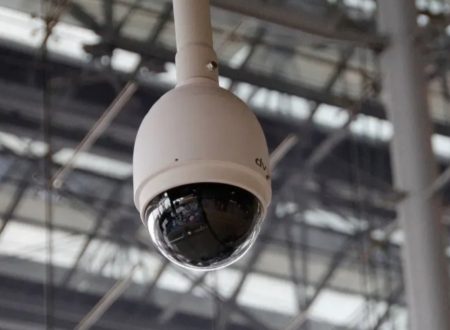
| Invisible Dome Cameras | Dome cameras can be placed discreetly in corners or high on ceilings, making them less noticeable. |
| Furniture Integration | Choose furniture pieces with hidden compartments for camera placement, like coffee tables. |
| Ceiling Tiles or Air Vents | Install cameras within faux ceiling tiles or air vents for an inconspicuous overhead view. |
| Teddy Bear or Toy Cams | Use teddy bears or other stuffed animals with built-in cameras for covert monitoring. |
| Customized Wall Switch Plates | Modify wall switch plates to include a hidden camera, especially in high-traffic areas. |
| Weatherproof Housing | Opt for outdoor cameras with weatherproof housing that resembles common outdoor equipment. |
| Mirror with Hidden Camera | Choose mirrors with built-in cameras for discreet placement in entryways or common areas. |
| Cable Box or Electronics Disguise | Camouflage cameras within electronic equipment, such as a cable box or gaming console. |
| Potted Plant Camera | Disguise cameras as potted plants, with the lens discreetly placed among the leaves. |
| Hollowed Out Objects | Create or purchase objects with hidden compartments to house small cameras. |
| Wi-Fi Router Camouflage | Incorporate cameras into Wi-Fi routers or other tech equipment for seamless blending. |
| Ceiling Fan Housing | Install cameras within the housing of ceiling fans, providing a wide field of view. |
| Antique or Vintage Items | Use antique or vintage items to house cameras, making them appear as part of the decor. |
What Are Security Cameras and Why Hide Them?
Security cameras are devices that are used to monitor and record activities in and around a specific area. They are commonly used for surveillance and security purposes in various settings, such as homes, businesses, public spaces, and government facilities. These cameras come in different types and can be visible or hidden, depending on the specific requirements and goals of the surveillance system.
Why Hide Security Cameras:
- Deterrence: Visible security cameras act as a deterrent to potential criminals. When people are aware they are being monitored, they are less likely to engage in criminal activities.
- Covert Surveillance: In some situations, it’s essential to monitor an area without the knowledge of those being observed. Covert or hidden cameras are used for investigative purposes or to catch wrongdoers who might act differently if they know they’re being watched.
- Aesthetic Considerations: In residential areas, homeowners may want to maintain the aesthetic appeal of their property without the intrusion of visible cameras. In such cases, hidden cameras can be installed discreetly.
Is it illegal to hide a security camera?
Those that own land or a house may put security cameras wherever they want (within reason) and may also hide them. For businesses, the law is distinctly different and changes from state to state as well as country to country. Companies in America may be restricted based on legal concepts like “legal expectation of privacy” or audio consent laws. The former dictates that a person in a specified area cannot be subject to surveillance based specific room or environment. As better explained by a past post about audio and security cameras, audio restrictions are subject to the federal anti-wiretap law and one or multi-party consent laws. The best route for businesses to avoid such restrictions is to avoid audio unless absolutely necessary.
Easiest security cameras to hide?
Is it better to hide security cameras?
Statistically, visible outdoor cameras reduce property crime and specifically should be clearly visible. Furthermore, surveillance within clear view has less chance to obstruct their view. However, indoor security cameras can be concealed to record intrusions or unwanted activity and have less chance of being disabled. Typically, A1 Security Cameras suggests home and business owners have a mix of clearly present and hidden cameras throughout to gain the benefits of both types. We also recommend that when using hidden cameras, system owners use security cameras like those shown above that can make use of a specific view. Dome, bullet, and PTZ cameras may be effective in security but have multiple features that make them superior for uninhibited surveillance.

How to hide security cameras indoors?
Several methods are available to home and business owners who hide their security cameras. Depending on the types of cameras mentioned above, the methods might be numerous or limited to a few options. For indoor cameras that remain unmounted, however, there are options like:
- Bookshelves
- Decor
- Display cases
- Television or gaming centers
Furniture like those listed have the unique feature of providing an open surface to which the camera can be set or slight improvements may be edited on to mount the surveillance device. Best of all, in all examples, decorations can be placed to conceal the camera. A subtle example can be seen in television or gaming centers, which already should include multiple systems and can be placed among them.
Examples on the other side of the spectrum include display cases and bookshelves. Whereas placing similar electronic devices may not be a possibility, some have taken to hollowing out books, putting a camera behind trophies, using plants, drilling a hole in the back and covering with a screen, and more. Again, however, such a method would demand a little bit of craftsmanship on the owner’s part and the use of tools if the furniture is made from wood.
However, hiding security cameras with decor is the easiest way to conceal your surveillance in an office or home setting. Some parents take to putting cameras in toys or among decorations while others place them among decorations high up on shelves. Office managers sometimes do something similar, placing a camera on shelves or at the secretary’s desk to better surveil the lobby.
In reality, while these suggestions might prove beneficial to you, security cameras are limited by their design when concealment is the focus. Fisheye and pinhole cameras, for example, may allow for a little more creativity but are not as like to produce as good of quality as the other suggestions. Likewise, dome and wireless cameras provide better quality and maneuverability, but they might be harder to conceal by design.
How to hide security cameras outdoors?
Outdoor cameras have their own challenges as indoor cameras do when considering concealment. Most businesses, for example, might not have the luxury of hiding due to using bullet security cameras high up on their building. However, for those that might use dome PTZ cameras or small surveillance devices at ground level, hiding cameras might include:
- Birdhouses
- Feeders
- Fixtures
- Machinery
- Outdoor furniture
- Plants
- Statues
Like before, placing a camera in something like a fixture, birdhouse, or outdoor furniture might take some craftsmanship on the owner’s part. For example, a birdhouse will have to be made especially for the camera and leave no room for birds to use it. Alternatively, placing a camera on a plant or statue would require minor craftsmanship editing and more creative implementation on the owner’s part. Also, keep in mind, the outdoor camera should be waterproof in design. Furthermore, cameras can be placed within or around machinery for a substantial effect. Examples include pool pumps, near the breaker box, and air conditioning units.
How do you hide a camera in plain sight?

For the majority of security cameras, hiding in plain sight is not a difficult task. Depending on your definition or preference, it could be as simple as a new coat of paint on the cover to placing it among plants or decorations. As mentioned above, cameras can be implemented around trophies or technology in furniture and plants. In addition, many have taken to painting colorful designs on their cameras or putting unique fixtures on them so that they appear like a decoration and not surveillance. While creativity in such an example certainly helps, it is not necessarily required for the best result.
How does a hidden camera work?
At a minimum, all cameras purchased through A1 Security Cameras require a connection to a wall outlet or something similar. From then on, the security camera will require a wired or wireless connection to a recorder or network. Hidden cameras work similarly, but are much smaller in design. Many just use one connection through USB, featuring a low wire leading back to the central system. Some cameras, not sold by A1 Security Cameras, are battery powered and subsist away from a direct connection.
Can a cell phone detect a hidden camera?
In normal circumstances, no, there are no standard methods to detect security cameras that an average person would use. However, if you have access to the local network, it is possible to see the devices on such and see which are used for surveillance. However, such access is strictly restricted to those with the necessary clearance in many businesses. Furthermore, a phone is not necessarily needed to find if surveillance devices in your immediate vicinity. Security cameras generally require both wiring and a direct field of view. If you’re allowed the opportunity to be observant in your environment, you should be able to find them.
Why hide your security cameras?
For businesses, strict adherence to policies might require cameras being hidden in, if not a mix of both in the open and otherwise. For homeowners, cameras may display a significant target for criminals when your property is broken into and might be disabled immediately upon being spotted. Furthermore, such devices allow for the monitoring of babysitters and housekeepers when you are away. For more tips, benefits, or information about concealing security cameras, reach out to A1 Security Cameras today!