
 By
By 
Keeping a business safe often requires a multi-level safety system that can include security cameras, employee verification technology and other measures or checkpoints.
Building security is of utmost importance for small businesses to protect their assets, data, and the safety of their employees and customers. Here are some essential security tips for small businesses:
Conduct a Security Audit: Begin by assessing the vulnerabilities and risks your business faces. Identify potential weak points in physical security, data protection, and employee access.
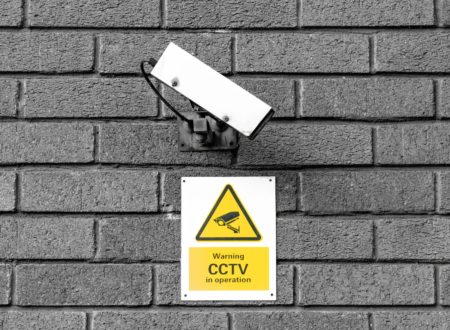
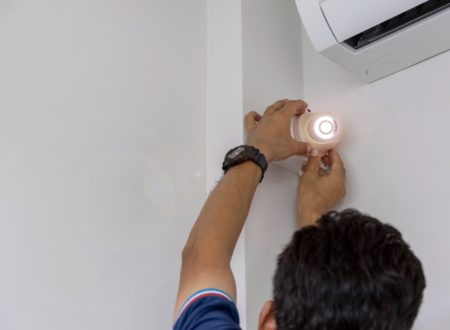
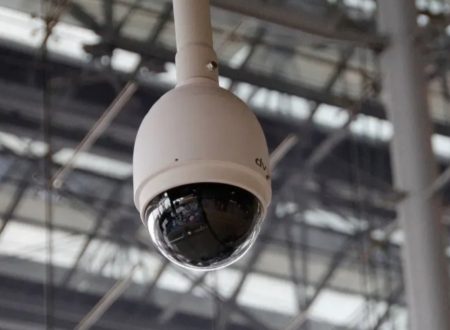
Install Security Systems: Implement physical security measures such as CCTV cameras, alarm systems, access control systems, and security lighting to deter potential intruders and monitor activities.
Limit Access Control: Grant access to sensitive areas and data on a need-to-know basis. Use key cards or biometric access controls to restrict entry to authorized personnel only.
Employee Training: Educate your employees about security best practices. Train them on how to identify phishing emails, handle sensitive information, and recognize suspicious behavior.
Regularly Update Software: Keep all software, including operating systems, antivirus programs, and applications, up to date with the latest security patches and updates.
Password Policies: Enforce strong password policies for all employees and require regular password changes. Consider implementing multi-factor authentication for added security.
Secure Wi-Fi Networks: Secure your Wi-Fi network with a strong password and encryption. Create a separate guest network for visitors and customers.
Data Backups: Regularly back up all important data and store it securely offsite or in the cloud. This will protect your business from data loss due to hardware failures, theft, or cyberattacks.
Secure Payment Systems: If your business handles credit card transactions, comply with Payment Card Industry Data Security Standard (PCI DSS) requirements to protect customer payment information.
Secure Website: If your business has a website, ensure it is secured with HTTPS encryption to protect data transmitted between users and the website.
Physical Document Security: Safely store physical documents containing sensitive information. Use locked cabinets and implement a document disposal policy.
Monitor Online Presence: Keep an eye on online reviews and mentions of your business. Respond promptly to any negative feedback or potential security concerns.
Create an Incident Response Plan: Develop a clear plan for how to respond to security incidents, data breaches, or cyberattacks. This will help minimize damage and allow for a swift and coordinated response.
Vendor Security: If your business works with third-party vendors, assess their security practices and ensure they meet your standards.
Insurance Coverage: Consider obtaining cybersecurity insurance to provide financial protection in case of a security breach.
Physical Security for Remote Work: If your employees work remotely, provide guidelines for securing their home workspaces and accessing business systems securely.
Remember that security is an ongoing process. Regularly review and update your security measures to adapt to new threats and technologies. By prioritizing security, small businesses can protect their assets and build trust with their customers.
Related Articles
- Best Small Business Security Cameras
- Commercial vs. Business Security Cameras: Pros, Cons
- Best Places to Install Security Cameras for Businesses
- 3 Benefits of Business Security Systems
- Why You Should Upgrade Your Commercial Security System
- “Discrete” Cameras Help Protect Businesses
- Installing Camera System for Retail Business
- 5 Best Security Cameras for Small Businesses