
 By
By 
An infrared (IR) illuminator is a device used to emit infrared light, which is light that is beyond the range of human vision. Infrared light has longer wavelengths than visible light and is typically in the range of 700 nanometers (nm) to 1 millimeter (mm) in wavelength. Since humans cannot see this type of light, it’s often referred to as “invisible” light.
Infrared illuminators are used in various applications where visibility under low-light or no-light conditions is required. The most common application of IR illuminators is in night vision technology, where they provide the necessary illumination for cameras or devices equipped with infrared-sensitive sensors to capture images or videos in environments with very little or no visible light. These devices are widely used in security systems, surveillance cameras, wildlife observation, and military operations.
Infrared illuminators work by emitting infrared light that is not visible to the human eye but can be detected by specialized sensors or cameras designed to capture infrared wavelengths. Some cameras have built-in infrared cut-off filters that block out visible light while allowing infrared light to pass through, enhancing their sensitivity to IR illumination.
There are various types of infrared illuminators, including:
Near-Infrared (NIR) Illuminators: These emit infrared light at wavelengths closer to the visible light spectrum, typically around 700 nm to 900 nm. They are often used in scenarios where a balance between visibility and stealth is required.
Medium-Wave Infrared (MWIR) Illuminators: These emit light in the mid-infrared spectrum, typically between 1,000 nm to 3,000 nm. MWIR illuminators are used in applications such as thermal imaging and scientific research.
Long-Wave Infrared (LWIR) Illuminators: Emit light in the longer wavelengths of the infrared spectrum, usually beyond 3,000 nm. LWIR illuminators are commonly used in thermal imaging cameras and devices.
What is an infrared illuminator and how does it work?
An infrared illuminator, also known as an IR illuminator, is a device that emits light in the infrared spectrum. It’s used to improve visibility in low-light or no-light conditions, especially for devices like surveillance cameras.
Infrared light falls just beyond the visible spectrum of light that can be detected by the human eye. Even though we can’t see infrared light, many cameras can detect it and use it to produce a clear image even in darkness.
Here’s how an infrared illuminator works:
When it gets dark, the IR illuminator starts emitting infrared light.
The infrared light illuminates the surrounding area, but because it’s infrared, it’s invisible to the human eye.
A camera that’s sensitive to infrared light, like many security cameras, can pick up the IR illumination. This allows the camera to “see” in the dark and capture clear images even in complete darkness.
The resulting images are typically monochrome (black and white) because the camera is capturing light from the IR spectrum only.
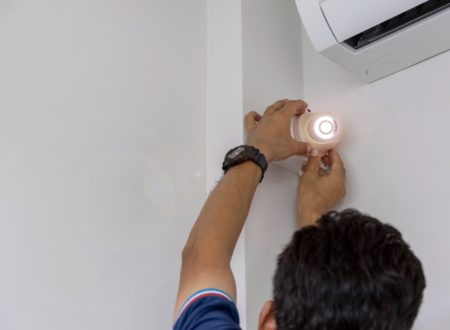
Infrared illuminators are a key component of many security systems, allowing for reliable surveillance around the clock, regardless of lighting conditions. They’re often built into cameras but can also come as separate devices that can be added to a system to enhance its low-light capabilities.
What are the primary uses of infrared illuminators?
Infrared illuminators have several primary uses, mainly revolving around enhancing visibility in low-light or no-light conditions. Here are some of their main applications:
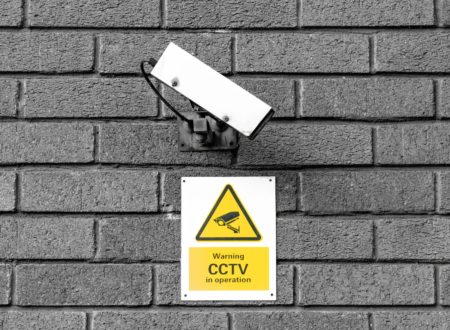
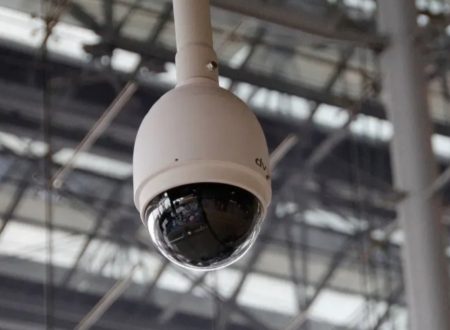
Security and Surveillance: This is the most common use of infrared illuminators. They’re often used with CCTV and IP cameras to provide clear images even in complete darkness. This allows for 24/7 monitoring of properties, public spaces, and other areas.
Wildlife Observation: Infrared illuminators are used in wildlife cameras for night-time observation. Since infrared light is invisible to many animals as well as humans, it doesn’t disturb the animals being observed.
Night Vision Equipment: Infrared illuminators are used in night vision goggles and scopes to enhance visibility in the dark. They’re commonly used in military and law enforcement operations, as well as by hunters and outdoor enthusiasts.
Industrial Inspection: In some industries, infrared illuminators are used in combination with infrared cameras for inspecting equipment and structures. This can help identify issues like heat leaks or electrical faults that may not be visible under normal light.
Covert Operations: Because infrared light is invisible to the naked eye, infrared illuminators can be used in covert surveillance or security operations. Only those with the necessary equipment (like night vision goggles or IR-sensitive cameras) can see the illumination.
Search and Rescue: Infrared illuminators can be used in search and rescue operations, especially in low-light conditions or at night, to help locate missing or injured individuals.
Remember that the effectiveness of an infrared illuminator will depend on factors like its power, the sensitivity of the camera or other equipment it’s being used with, and the conditions in the environment (like fog or smoke that can scatter infrared light).
How does weather or environmental conditions affect the performance of an infrared illuminator?

The performance of an infrared illuminator can indeed be affected by weather and environmental conditions. Here’s how certain conditions might impact an infrared illuminator’s effectiveness:
Fog and Rain: Both fog and rain can scatter infrared light, making it less effective. This is because the water droplets in fog or rain can reflect and absorb the infrared light, reducing the range and clarity of the illumination.
Snow: Similar to fog and rain, snow can also scatter infrared light. Additionally, falling or accumulated snow can block the illuminator or the camera lens, affecting visibility.
Dust and Smoke: Dust particles and smoke can absorb and scatter infrared light, reducing its range and effectiveness.
Temperature: Extreme temperatures can impact the performance of infrared illuminators, particularly if they exceed the operational temperature range of the device. Cold temperatures can affect the power supply, while extremely hot temperatures can cause overheating.
Obstructions: Physical obstructions like walls, trees, or furniture can block infrared light, reducing the illuminator’s effective range.
Reflective Surfaces: Surfaces that reflect infrared light, like glass or certain types of metal, can cause glare or reflection that affects the quality of the image.
Despite these potential challenges, many infrared illuminators are designed with rugged features to withstand various weather and environmental conditions, and to provide reliable performance in a range of scenarios. It’s crucial to consider these factors when choosing and installing an infrared illuminator to ensure it will perform effectively in its intended setting.