
 By
By 
Box cameras and bullet cameras are two common types of security cameras used for surveillance purposes. They have distinct designs and features that make them suitable for different applications. Let’s learn the similarities and differences of these two camera styles together. Here we go.
What is bullet camera?
A bullet camera is a type of surveillance camera that is typically cylindrical or tubular in shape, resembling a bullet or a small cylinder, hence the name. Bullet cameras are popular for outdoor surveillance due to their weatherproof design and ease of installation. Here are some key features and characteristics of bullet cameras:
Key features and characteristics of bullet cameras:
Weatherproof Design: One of the main advantages of bullet cameras is their weather-resistant construction. Many bullet cameras come in durable, waterproof housings, making them suitable for outdoor use in various weather conditions.
Built-In Housing: Bullet cameras often have a built-in housing that protects them from dust, rain, and other environmental elements. This feature eliminates the need for additional protective casings or housing, simplifying the installation process.
Ease of Installation: Bullet cameras are designed for easy installation. They typically come with a mounting bracket that allows for quick and straightforward placement on walls, ceilings, or other surfaces. This makes them a popular choice for both professional installers and DIY users.
Visible Deterrence: The design of bullet cameras, with their noticeable and often sleek appearance, can serve as a deterrent to potential intruders. The visibility of the camera may discourage criminal activity in the monitored area.
Fixed Lens: Bullet cameras usually come with a fixed lens, meaning the field of view is predetermined by the manufacturer. While this limits the ability to customize the lens, it simplifies the installation process and makes these cameras more user-friendly for individuals with less technical expertise.
Versatility: While originally designed for outdoor use, bullet cameras can also be used indoors. However, their design and features make them particularly well-suited for applications where a visible deterrent and weather resistance are priorities.
Infrared (IR) Illumination: Many bullet cameras come equipped with infrared LEDs that provide night vision capabilities. This allows the camera to capture clear images in low-light or total darkness.
Fixed or Varifocal Options: While many bullet cameras come with fixed lenses, some models offer varifocal lenses that allow for manual adjustment of the focal length. This provides a degree of flexibility in adapting to different surveillance scenarios.
What is the advantages of bullet camera?
Bullet cameras offer several advantages that make them a popular choice for certain surveillance applications. Here are some key advantages of bullet cameras:
Weatherproof Design: Bullet cameras are often designed with a weatherproof casing, providing protection against dust, rain, and other environmental elements. This makes them well-suited for outdoor use in various weather conditions.
Easy Installation: Bullet cameras are known for their simplicity and ease of installation. They typically come with a mounting bracket, allowing for quick placement on walls, ceilings, or other surfaces. This ease of installation makes them a preferred choice for both professional installers and individuals setting up their own surveillance systems.
Visible Deterrence: The design of bullet cameras is often noticeable and can serve as a deterrent to potential intruders. The visible presence of a surveillance camera can discourage criminal activity in the monitored area.
Versatility: While originally designed for outdoor use, bullet cameras can also be used indoors. Their versatile design and features make them suitable for a range of applications, including monitoring entrances, parking lots, and other areas where a visible security presence is desired.
Fixed Lens Simplicity: Many bullet cameras come with fixed lenses, meaning the field of view is predetermined by the manufacturer. While this limits the ability to customize the lens, it simplifies the installation process and makes these cameras more user-friendly, especially for individuals with less technical expertise.
Night Vision Capability: Many bullet cameras are equipped with infrared (IR) LEDs, providing night vision capabilities. This allows the camera to capture clear images in low-light or total darkness, enhancing surveillance capabilities around the clock.
Cost-Effective Solutions: Bullet cameras often provide cost-effective solutions for basic surveillance needs. Their simplicity and streamlined design make them more budget-friendly compared to some more advanced camera types.
Durable Construction: The construction of bullet cameras is often robust and durable. The housing is designed to withstand physical impact and tampering, making these cameras suitable for locations where vandalism may be a concern.
Flexibility in Placement: The cylindrical shape of bullet cameras allows for flexible placement and aiming. The camera can be easily adjusted to monitor specific areas, providing flexibility in adapting to different surveillance scenarios.
What is box camera?
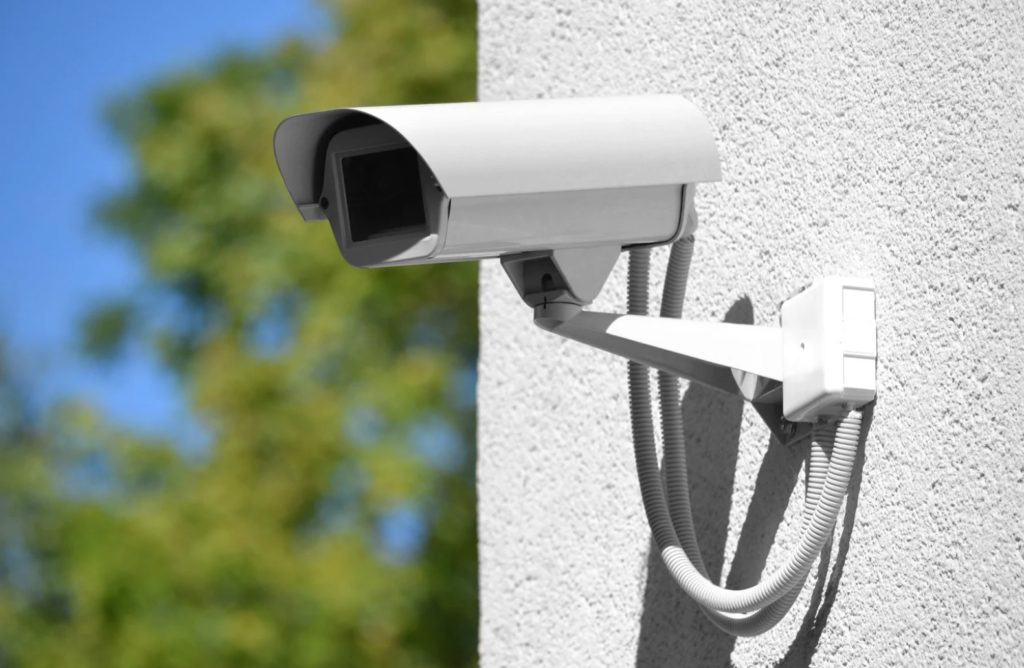
A box camera is a type of surveillance camera that consists of two main components: a separate camera body (the “box”) and a detachable lens. This design provides a high level of flexibility and customization, allowing users to choose different lenses based on their specific surveillance needs. The box camera’s housing typically contains the camera’s electronics and may include features such as adjustable brackets for mounting, connectors for power and video cables, and sometimes additional components like infrared illuminators for night vision.
Key features and characteristics of box cameras:
Versatility: One of the main advantages of box cameras is their versatility. Users can select lenses with different focal lengths and angles of view, allowing for precise customization to meet specific surveillance requirements. This makes box cameras suitable for a wide range of applications.
Adjustable Lens: The lens of a box camera is usually separate from the camera body, allowing for adjustments to the focal length and focus. This level of customization is particularly useful in situations where a specific field of view is required.
Professional Installations: Box cameras are often used in professional surveillance installations where precise control over camera settings and a tailored approach to surveillance are essential.
Indoor and Outdoor Use: While box cameras are commonly used indoors, they can also be used outdoors. However, when used outdoors, they require additional weatherproof housing to protect them from the elements.
Discreet Installation: The design of box cameras allows for more discreet installations. The camera body can be hidden or positioned inconspicuously, making it less noticeable to people in the monitored area.
Customization Options: In addition to lens customization, box cameras often provide other advanced features such as adjustable shutter speed, aperture, and image settings. This makes them suitable for applications where fine-tuning of image quality is important.
What is the advantages of box camera?
Box cameras offer several advantages, making them suitable for certain surveillance scenarios. Here are some of the key advantages of box cameras:
Versatility: One of the primary advantages of box cameras is their versatility. The separate camera body and detachable lens design allow users to choose from a wide range of lenses with different focal lengths and angles of view. This flexibility enables precise customization to meet specific surveillance needs, making box cameras suitable for various applications.
Customizable Lens Options: Box cameras provide the option to use different lenses, including fixed, varifocal, or zoom lenses. This allows for adjustments to the field of view, depth of field, and focus distance, providing greater control over the captured images.
Professional Installations: Box cameras are often used in professional surveillance installations where fine-tuning of camera settings is crucial. The ability to customize lenses and other settings makes box cameras suitable for applications that demand a high level of control over image quality and surveillance parameters.
Indoor and Outdoor Use: While commonly used indoors, box cameras can also be used outdoors with the addition of weatherproof housing. This makes them versatile enough to be deployed in various environments.
Discreet Installation: The design of box cameras allows for more discreet installations. The camera body can be positioned inconspicuously, making it less noticeable to people in the monitored area. This can be advantageous in situations where a more covert surveillance approach is desired.
Advanced Features: Box cameras often come with advanced features, such as adjustable shutter speed, aperture, and image settings. This makes them suitable for applications where users require a high degree of control over the camera’s performance.
Upgradeability: The modular nature of box cameras allows for easy upgrades. Users can replace or upgrade individual components, such as the lens or image sensor, without having to replace the entire camera system. This can be cost-effective in the long run.
Compatibility with Accessories: Box cameras are often compatible with a variety of accessories, such as infrared illuminators, housings, and mounts. This enhances their adaptability to different surveillance environments and conditions.
Box Camera vs. Bullet Camera
Box cameras and bullet cameras are two common types of security cameras used for surveillance purposes. They have distinct designs and features that make them suitable for different applications. Here are some key differences between box cameras and bullet cameras:
Box Camera Pros
Versatility in Lens Selection: Box cameras offer high versatility in lens selection. The separate camera body and interchangeable lenses allow users to choose from a wide range of options, providing precise control over the field of view and depth of field.
Customizable Settings: Box cameras often come with a variety of customizable settings, including shutter speed, aperture, and image parameters. This level of customization is beneficial for professional installations where fine-tuning of camera settings is crucial.
Professional Installations: Box cameras are often preferred for professional surveillance installations where the need for precise control over camera settings and image quality is paramount.
Indoor and Outdoor Use: Box cameras can be used both indoors and outdoors. While they may require additional weatherproof housing for outdoor use, their versatility allows them to adapt to a range of environments.
Modular and Upgradeable: The modular design of box cameras makes them easily upgradeable. Users can replace individual components, such as lenses or sensors, without having to replace the entire camera system.
Bullet Camera Pros
Weatherproof Design: Bullet cameras often come with a built-in weatherproof housing, making them suitable for outdoor use without the need for additional protective casing. This simplifies installation in various weather conditions.
Ease of Installation: Bullet cameras are known for their simple and quick installation. They typically come with a mounting bracket, allowing for easy placement on walls, ceilings, or other surfaces. This makes them suitable for both professional and DIY installations.
Visible Deterrence: The visible design of bullet cameras can act as a deterrent to potential intruders. The presence of a noticeable camera may discourage criminal activity in the monitored area.
Night Vision Capabilities: Many bullet cameras come equipped with infrared (IR) LEDs for night vision. This feature allows the camera to capture clear images in low-light conditions or complete darkness.
Cost-Effective Solutions: Bullet cameras often provide cost-effective solutions for basic surveillance needs. Their streamlined design and simplicity make them more budget-friendly compared to some other camera types.
Box Camera Cons
Size and Visibility: Box cameras are generally larger and less discreet than some other camera types. This can make them more noticeable in certain settings, potentially affecting the aesthetics of the surveillance area.
Installation Complexity: Setting up a box camera may be more complex compared to some other types, especially for those less experienced with surveillance system installations. It often involves mounting a separate camera body and lens, which may require more effort and time.
Weather Protection: While box cameras can be used outdoors with additional weatherproof housing, the need for extra protection makes them potentially less convenient for outdoor installations compared to cameras designed with inherent weather resistance.
Limited Ready-to-Use Options: Box cameras often require additional accessories, such as lenses and housings, to be purchased separately. This can make them less of a “plug-and-play” option compared to some other cameras.
Bullet Camera Cons
Limited Lens Customization: Bullet cameras typically come with fixed lenses, limiting the ability to customize the field of view. This can be a drawback in situations where a specific lens requirement is essential.
Limited Advanced Features: While suitable for many basic surveillance needs, bullet cameras may lack some of the advanced features found in other camera types, such as pan-tilt-zoom (PTZ) capabilities or highly customizable settings.
Potential for Vandalism: The elongated and noticeable design of bullet cameras may make them more vulnerable to vandalism. Their exposed shape may attract unwanted attention and tampering.
Less Discreet: While the visibility of bullet cameras can act as a deterrent, it can also make them less discreet. In situations where a more covert approach is necessary, the noticeable presence of bullet cameras may not be ideal.
Limited Flexibility in Placement: The cylindrical shape of bullet cameras, while providing flexibility, may be less versatile in terms of positioning compared to more compact or adjustable designs.