
 By
By 
Churches should invest in security cameras because they provide a number of benefits that help to keep congregants, staff, and property safe. One of the most important benefits of security cameras is that they can help deter crime. By knowing that they are being monitored, potential criminals may be less likely to attempt to commit a crime on church property. This can help to reduce instances of theft, vandalism, and other types of criminal activity.
In the event that a crime does occur, security cameras can provide valuable evidence that can be used to identify suspects and assist law enforcement in their investigations. This evidence can help to bring perpetrators to justice and prevent future crimes from occurring.
Security cameras can also help churches reduce their liability and insurance costs. By demonstrating that they have taken reasonable steps to ensure the safety of their property and those who enter it, churches may be able to reduce the likelihood of lawsuits and insurance claims. This can help to save the church money in the long run.
Having security cameras installed can also provide peace of mind for congregants, staff, and volunteers. Knowing that their church has taken steps to ensure their safety can help them feel more secure and relaxed, allowing them to focus on worship and community rather than worrying about potential threats.
Investing in security cameras is an investment in the future of the church. By taking steps to protect the safety of its members and property, the church can build trust with the community and ensure that it is able to continue its mission for years to come.
What is a Church Security Camera System?
A church security camera system is a set of cameras and supporting equipment that are installed on church property to provide surveillance and monitoring of the premises. The system typically includes one or more cameras that are strategically placed around the church building, parking lot, and other areas of the property.
These cameras capture video footage that can be monitored in real-time by church staff or security personnel, or recorded for later review. The system may also include features such as motion detection, night vision, and remote access, allowing for more effective monitoring and management of the property.
In addition to the cameras themselves, a church security camera system may also include a video management system (VMS) or other software that allows for easy viewing and analysis of the footage captured by the cameras. Some systems may also include alarms, motion sensors, and other security features that can be integrated with the camera system to provide a comprehensive security solution.
Overall, a church security camera system is an important tool for enhancing the safety and security of church property, congregants, and staff. By providing real-time monitoring and recording of activity on the premises, these systems can help deter criminal activity, reduce liability, and provide valuable evidence in the event of a security breach or emergency.
What constitutes a church security camera system?
Here are the components that may be included in a church security camera system:
1. Security Cameras
These are the devices that capture video footage of the church property. They may be mounted on walls, ceilings, or poles, and can be either wired or wireless security cameras.

2. Video Management System (VMS):
This is the software that allows for easy viewing and analysis of the footage captured by the cameras. It may also include features such as motion detection, alerts, and remote access.

3. Network Video Recorder (NVR):
This is the device that records and stores the video footage captured by the cameras. It may be a standalone device or integrated with the VMS. All NVR products.

4. Power over Ethernet (PoE) Switches:
These devices provide power and data connectivity to the cameras over a single Ethernet cable. All networking products.

5. Cabling:
This is the physical infrastructure that connects the cameras, switches, and other components of the system. All cabling products.

6. Display Monitors:
These are the devices that allow for live viewing of the footage captured by the cameras. They may be located in a central monitoring station or distributed throughout the church. All cctv monitor products.

7. Alarms and Sensors:
These devices can be integrated with the camera system to provide alerts and notifications in the event of a security breach or emergency. They may include motion sensors, door and window sensors, and glass break detectors.

8. Access Control:
This feature allows authorized users to view the camera footage remotely, from anywhere with an internet connection.

9. Backup Power:
This ensures that the camera system continues to operate in the event of a power outage or other disruption.
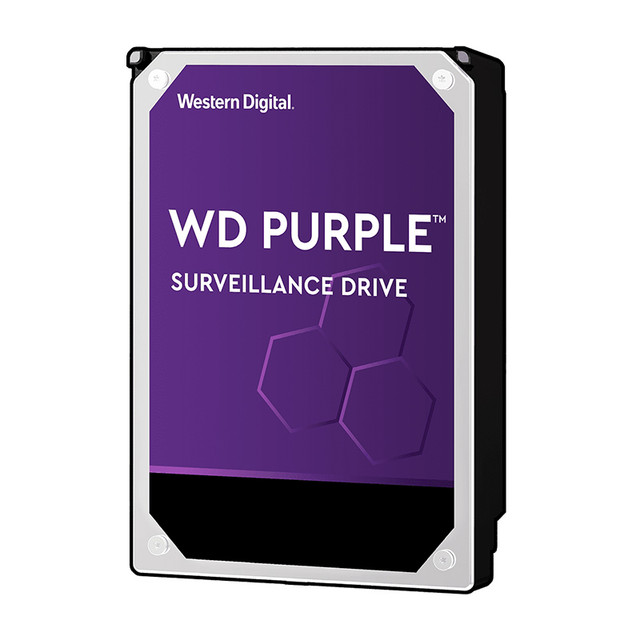
A church security camera system is a comprehensive solution that combines cameras, software, and hardware components to provide real-time monitoring, recording, and analysis of activity on church property.
Benefits of Having Security Camera Systems in Your Church
There are several benefits to having security cameras in your church, including:
Deterrence of criminal activity: Security cameras can serve as a deterrent to criminals who may consider committing theft, vandalism, or other crimes on church property. The presence of cameras can discourage such behavior and prevent it from happening in the first place.
Improved safety and security: With security cameras in place, church staff and congregants can feel safer and more secure while on church property. In the event of a security breach or emergency, cameras can provide valuable information and evidence that can assist law enforcement in their response.
Protection of church property: Churches often have valuable assets, including musical instruments, sound equipment, and other items that can be targeted by thieves. Security cameras can help protect these assets and deter theft.
Liability reduction: Having security cameras in place can help reduce liability for the church in the event of an accident or injury on church property. Cameras can provide valuable evidence to prove that the church took reasonable steps to ensure the safety of its congregants and staff.
Peace of mind: Knowing that their church is equipped with security cameras can give congregants and staff peace of mind, allowing them to focus on worship and other activities without worrying about potential security threats.
Monitoring of remote areas: Security cameras can be placed in remote areas of the church property that are not frequently visited, such as storage rooms or back entrances. This allows church staff to monitor these areas and detect any unauthorized access or suspicious activity.
Prevention of internal theft: Unfortunately, theft or misappropriation of church funds or other assets can occur by insiders such as staff members or volunteers. Security cameras can help prevent this type of theft by serving as a deterrent and providing evidence in case of an incident.
Improved incident response: In the event of an incident, security cameras can provide valuable information to assist emergency responders and law enforcement in their response. This can include the identification of suspects, the location of incidents, and the number of people involved.
Cost-effective security solution: Compared to hiring security personnel to monitor the church property, security cameras can be a cost-effective security solution. Once installed, the cameras can provide continuous surveillance without requiring additional staff or resources.
Remote monitoring and management: Many modern security cameras offer remote access capabilities, allowing authorized personnel to view live and recorded footage from anywhere with an internet connection. This can be especially useful for monitoring the property during off-hours or for managing multiple church locations from a centralized location.
The benefits of having security cameras in your church are numerous and can help ensure the safety and security of your church property, staff, and congregants. By deterring criminal activity, reducing liability, preventing internal theft, and improving incident response, security cameras can be a valuable investment for any church seeking to enhance its security measures.
What types of security cameras are used for church security?
Dome Security Cameras: These are the most common type of security camera and are often used for indoor surveillance. They are named for their dome-shaped housing and are designed to be discreet and unobtrusive.
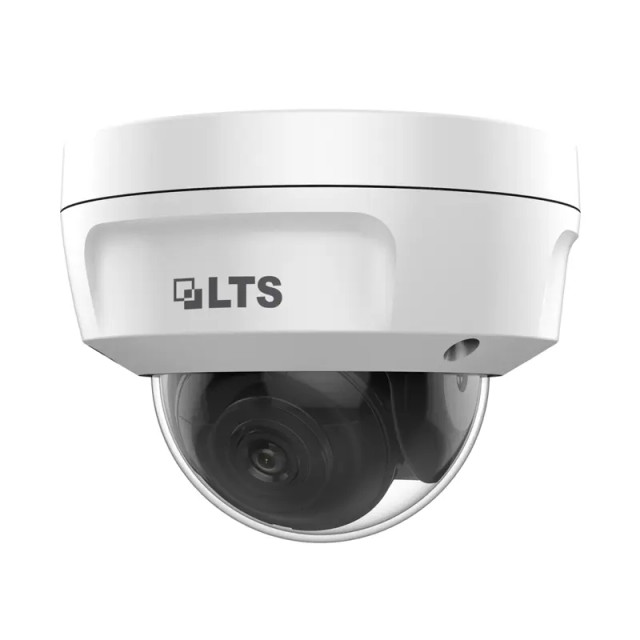
Bullet Security Cameras: These cameras are cylindrical and can be used both indoors and outdoors. They are often used for long-range surveillance and have a narrow field of view.

PTZ Security Cameras: PTZ stands for Pan-Tilt-Zoom, and these cameras can be remotely controlled to move and zoom in on specific areas. They are often used for large indoor or outdoor spaces that require surveillance from multiple angles.
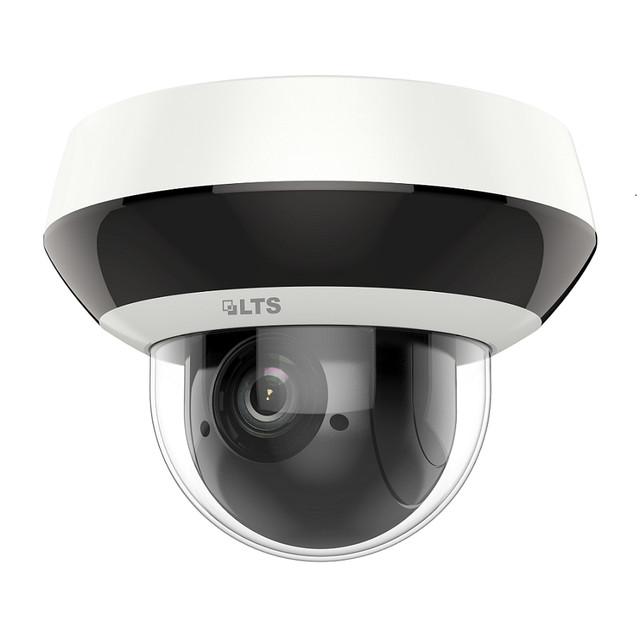
Panoramic 360-Degree Security Cameras: These cameras can provide a full 360-degree view of the surrounding area and are often used in large indoor or outdoor spaces such as sanctuaries or parking lots.

Temperature Screening Cameras: These cameras use infrared technology to capture images in low-light or no-light conditions. They are often used for outdoor surveillance and can provide clear images in complete darkness.

Wireless Security Cameras: These cameras can transmit video footage wirelessly to a central monitoring station, eliminating the need for extensive cabling infrastructure. They are often used for outdoor surveillance or in areas where cabling is difficult to install.

The choice of security camera for a church will depend on factors such as the size of the property, the areas to be monitored, and the level of surveillance required. A professional security camera installer can help recommend the best type of camera for a specific church’s needs.
How A1 Security Cameras Can Help You?
For the best possible outcome, why not have your security camera system designed by the professionals at A1 Security Cameras. Our design team is more than capable of getting you the exact plans needed for surveillance that meet your standards and answer each of your needs. An excellent option for anyone wanting to make the most out of their security cameras, recorder, and other related equipment, you can more than enjoy our design services whether you live in Dallas Fort Worth, or anywhere across the globe. For more information on military grade CCTV or our services, contact us today!
Related Church Blog Posts
- Church Security Camera Systems: Ultimate Buying Guide
- Church Cameras Help Secure Congregations
- How can I protect my church? Complete Guide
- Why installing surveillance for Churches is Tricky
- Churches using Daycare Cameras to Keep Kids Safe
- Everything you need to know for the safety of places of worship
- Church Security Checklist