
 By
By 
The effectiveness of surveillance cameras in deterring crime is a subject of ongoing debate among researchers and experts. While there is some evidence suggesting that surveillance cameras can act as a deterrent to certain types of crimes, the overall impact is not universally agreed upon.
Some key points to consider:
Deterrence Effect: The presence of surveillance cameras may deter potential criminals from engaging in unlawful activities, as the fear of being identified and apprehended increases. This is often referred to as the “deterrence effect.”
Crime Reduction in Specific Areas: Some studies have shown that the installation of surveillance cameras in specific locations, such as parking lots or public transportation hubs, can lead to a reduction in certain types of crimes in those areas.
Limited Impact on Violent Crimes: The impact of surveillance cameras on violent crimes, such as assault or homicide, is less clear. In some cases, individuals may not be deterred by the presence of cameras, especially if they are motivated by factors such as substance abuse or mental health issues.
False Sense of Security: Critics argue that relying solely on surveillance cameras can create a false sense of security. Criminals may adapt by wearing disguises or avoiding areas with cameras, and camera malfunctions or blind spots can limit their effectiveness.
Privacy Concerns: The widespread use of surveillance cameras raises privacy concerns. Critics argue that constant surveillance infringes on individuals’ right to privacy and can lead to a surveillance state.
Mixed Evidence: Research findings on the effectiveness of surveillance cameras are mixed. Some studies suggest a positive impact on crime reduction, while others find limited or no evidence of a deterrent effect.
The effectiveness of surveillance cameras in deterring crime depends on various factors, including the specific context, the type of crime, and the implementation of the surveillance system. While they may have some deterrent effect in certain situations, it’s important to consider them as part of a broader strategy that includes community engagement, law enforcement efforts, and other crime prevention measures.
Do camera signs deter crime?
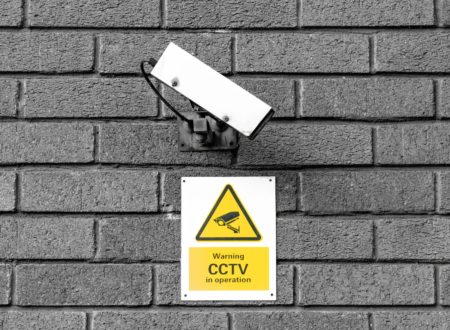
Signs indicating the presence of surveillance cameras, often referred to as camera signs, can contribute to the perceived risk of being caught, and they may have a deterrent effect on potential criminals. The idea is that individuals who are aware of the presence of cameras are less likely to engage in criminal activities due to the increased risk of identification and apprehension.
Here are some points to consider regarding the deterrent effect of camera signs:
Perceived Surveillance: Visible camera signs can create a perception of surveillance, even if there are no actual cameras. The thought that someone might be watching or recording activities can discourage criminal behavior.
Psychological Deterrence: The presence of camera signs taps into the psychological aspect of deterrence, making individuals think twice before committing a crime. This psychological effect can be especially pronounced in areas where there is a genuine commitment to using surveillance technology.
Risk of Identification: Criminals are less likely to act in areas with camera signs because they fear being identified and caught on camera. The prospect of having evidence against them can deter criminal activity.
Crime Prevention Through Environmental Design (CPTED): The use of camera signs aligns with the principles of Crime Prevention Through Environmental Design (CPTED). This approach emphasizes the role of environmental factors, including the presence of surveillance, in deterring criminal behavior.
Visible Deterrence: Placing camera signs in prominent locations, where they are easily visible, enhances their deterrent effect. The signs serve as a warning to potential wrongdoers that they are under observation.
However, it’s important to note that the effectiveness of camera signs in deterring crime can vary. Some individuals may be undeterred or may attempt to circumvent surveillance even if signs are present. Additionally, the actual presence and functionality of cameras can influence the impact of the deterrent effect.