
 By
By 
As security concerns continue to rise, many businesses and homeowners are turning to turnstiles as an effective way to manage access control. Turnstiles are highly effective at regulating pedestrian traffic and preventing unauthorized entry. However, it’s important to determine the optimal number of turnstiles required for a particular facility to ensure maximum security and efficiency. In this blog post, we’ll discuss various factors that should be considered when determining the number of turnstiles needed for a business or house, as well as the benefits of installing multiple turnstiles and cost considerations to keep in mind.
Why Turnstiles Are Important for Security

Turnstiles are an essential component of any comprehensive security system. They are designed to regulate the flow of people and prevent unauthorized entry, which can be critical in maintaining a secure environment. With turnstiles, businesses and homeowners can effectively manage access control by limiting the number of people who can enter or exit at any given time. This helps to prevent overcrowding and ensures that only authorized personnel are allowed into restricted areas. Additionally, turnstiles can be equipped with various security features such as cameras, card readers, and biometric scanners, which can help to further enhance security and prevent breaches. Overall, turnstiles are an effective way to control access and maintain a safe and secure environment.
Here are some statistics that demonstrate the importance of turnstiles for security:
- According to a report by Grand View Research, the global turnstile market size is expected to reach USD 1.9 billion by 2025, with a compound annual growth rate (CAGR) of 5.3% from 2019 to 2025.
- The same report identifies increasing security concerns, coupled with the need for crowd management in public places, as key factors driving the demand for turnstiles.
- A study by the National Retail Federation found that retail businesses lose approximately $45 billion each year to theft, fraud, and administrative errors. Turnstiles can help prevent theft by limiting access to certain areas and monitoring traffic flow.
- The U.S. Department of Homeland Security recommends the use of turnstiles as part of a comprehensive security plan to help prevent unauthorized access and control pedestrian traffic flow.
- The use of turnstiles has been shown to improve security and efficiency in public transportation systems. For example, a study of a turnstile installation at a train station in Hong Kong found that it reduced boarding time by 66% and improved passenger flow by 30%.
Considerations for Choosing the Right Turnstiles

When it comes to selecting the right turnstiles for a business or house, there are several key factors to consider. These include:
Security Needs: The first consideration when choosing turnstiles is the level of security required. Businesses or houses with high-security needs may require turnstiles with advanced security features such as facial recognition, fingerprint scanners, or card readers.
Traffic Flow: The amount and type of traffic that will pass through the turnstiles should also be taken into account. High-traffic areas may require turnstiles that can handle a greater volume of people, while areas with wheelchair or stroller traffic may require wider lanes or gates.
Integration with Other Security Systems: The turnstiles should be compatible with any existing security systems, such as CCTV cameras or access control software, to ensure seamless integration and maximum effectiveness.
Aesthetics: Turnstiles are often located in highly visible areas, so their appearance should also be considered. Options include sleek, modern designs or more traditional turnstile styles.
Budget: Finally, the cost of the turnstiles and installation should be taken into account. While advanced security features may be desirable, they can significantly increase the cost of the turnstiles. It is important to strike a balance between security needs and budget constraints.
Which Types of Turnstiles are Suitable for You?
The type of security turnstile that is suitable for you will depend on your specific security needs and the layout of your facility. There are several types of turnstiles available, each with its unique features and benefits. Here are some common types of turnstiles and their suitability for different environments:
Waist-high turnstiles
These turnstiles are best suited for facilities that require moderate security, such as office buildings, schools, and amusement parks. Waist-high turnstiles are designed to allow one person to pass through at a time and are typically less expensive than full-height turnstiles.

Full-height turnstiles
These turnstiles are ideal for facilities that require high-security measures, such as prisons, government buildings, and military installations. Full-height turnstiles are designed to prevent unauthorized access, and they can be used in both indoor and outdoor environments.

Optical (Touchless) turnstiles
These turnstiles use sensors to detect the presence of people and are ideal for facilities that require high-security measures while maintaining an aesthetically pleasing appearance. Optical turnstiles are commonly used in corporate buildings, banks, and other high-end facilities.
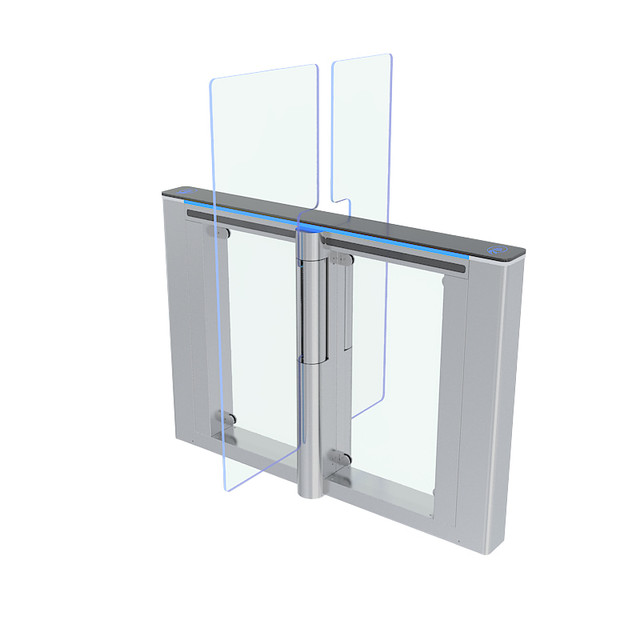
Tripod turnstiles
These turnstiles are ideal for facilities that require moderate to high-security measures, such as stadiums, museums, and transit stations. Tripod turnstiles are designed to allow for quick and efficient entry and exit, making them suitable for high-traffic areas.

Evaluating Traffic Flow to Determine Turnstile Needs

One of the most important factors to consider when determining the number of turnstiles required for a business or house is the flow of pedestrian traffic. This can be evaluated through a careful analysis of several key factors:
Peak Traffic Times: Determine when the facility experiences the highest volume of foot traffic. This can help determine how many turnstiles are needed to handle peak times.
Direction of Traffic: Consider the flow of pedestrian traffic. For example, in a large office building, there may be more foot traffic exiting the building in the evening, while in a shopping mall, foot traffic may be more evenly distributed throughout the day.
Type of Traffic: Consider the types of people passing through the turnstiles. For example, if a facility has a high volume of visitors or large groups passing through, more turnstiles may be required to handle the increased traffic flow.
Lane Width: Evaluate the width of the turnstile lanes. Wider lanes can accommodate more traffic and reduce the likelihood of congestion.
Queuing: Determine whether people are likely to queue or bunch up before the turnstiles. This can help determine the number of turnstiles required to prevent congestion and ensure smooth traffic flow.
By evaluating these factors, businesses and homeowners can determine the optimal number of turnstiles required to manage traffic flow effectively and ensure the security of the facility.
Benefits of Installing Multiple Turnstiles
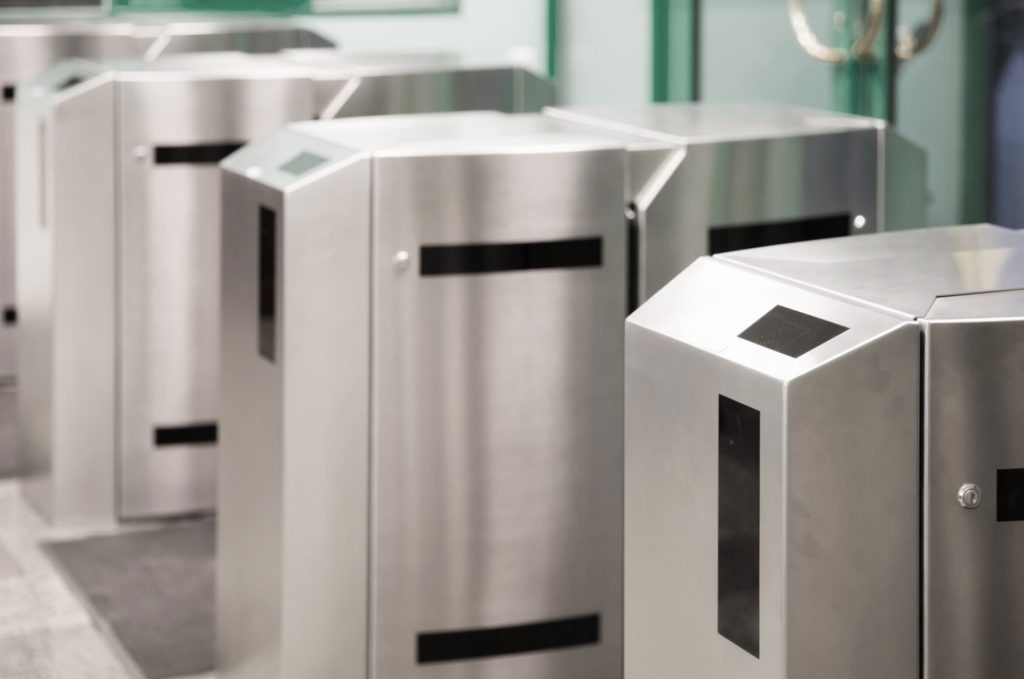
Installing multiple turnstiles can offer several benefits for businesses or houses that require a high level of security or have a large volume of foot traffic. Here are some of the main benefits:
Improved Traffic Flow: Multiple turnstiles can help reduce the bottleneck effect and prevent long lines from forming. By spreading out the flow of foot traffic, turnstiles can help keep lines moving and reduce waiting times.
Enhanced Security: Multiple turnstiles can help prevent unauthorized entry and reduce the risk of breaches. By ensuring that only authorized personnel are allowed access, businesses and homeowners can maintain a high level of security and protect their assets.
Better Crowd Management: Turnstiles can help manage crowds effectively by limiting the number of people allowed in a certain area at any given time. This can be especially important in high-traffic areas such as airports, stadiums, or concert venues.
Increased Efficiency: Multiple turnstiles can help improve overall efficiency by reducing wait times and increasing the speed at which people can enter or exit a facility.
Customization: With multiple turnstiles, businesses and homeowners can choose turnstiles with specific features or capabilities to meet their specific security needs. For example, some turnstiles may be equipped with facial recognition software or biometric scanners for enhanced security.
In summary, installing multiple turnstiles can help improve traffic flow, enhance security, better manage crowds, increase efficiency, and provide customization options.
Cost Considerations for Installing Turnstiles
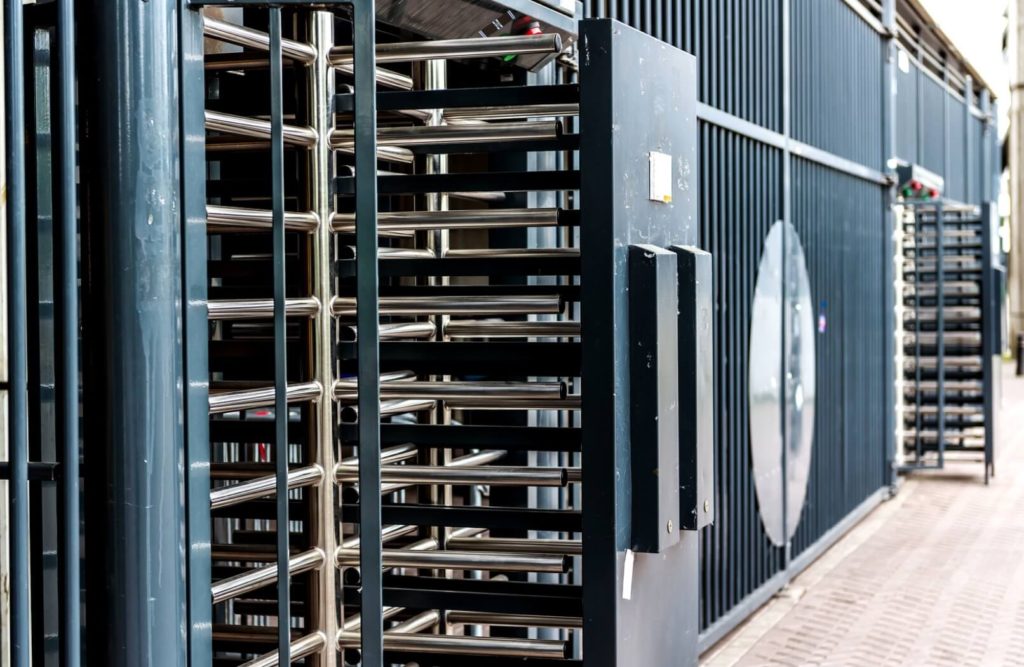
When considering the installation of turnstiles, cost is an important factor to consider. The cost of turnstiles can vary widely depending on several factors, including the type of turnstile, the level of security features, and the installation process. Here are some cost considerations for installing turnstiles:
Type of Turnstile: There are several types of turnstiles available, including tripod, full-height, and waist-high turnstiles. Each type has its own features and price range. Waist-high turnstiles are generally the least expensive, while full-height turnstiles are the most expensive due to their advanced security features.
Level of Security: Turnstiles with advanced security features such as biometric scanners or facial recognition technology will generally be more expensive than turnstiles without these features.
Installation Process: The installation process can also add to the overall cost of turnstiles. If the facility requires significant modifications to accommodate the turnstiles, such as adding flooring or electrical work, this can add to the cost.
Maintenance: Turnstiles require regular maintenance to ensure they are working properly. The cost of maintenance should be factored into the overall cost of the turnstiles.
Return on Investment: While turnstiles can be a significant investment, they can also provide a return on investment by increasing security, reducing the risk of theft or loss, and improving overall efficiency.
It is important to consider the cost of turnstiles along with the benefits they provide. Working with a professional security provider can help determine the optimal turnstile solution for a facility while keeping costs in mind.
Maintenance and Upkeep of Turnstiles
Maintenance and upkeep are crucial for ensuring that turnstiles remain operational and effective in maintaining security. Neglecting maintenance can result in malfunctioning turnstiles, which can compromise security and cause inconvenience to users. Here are some key maintenance and upkeep considerations for turnstiles:
Regular Inspections: Turnstiles should be inspected regularly to check for signs of wear and tear, damage, or malfunctioning. This can help detect any issues before they become major problems.
Lubrication: Turnstiles have moving parts that require lubrication to prevent friction and ensure smooth operation. The frequency of lubrication will depend on the type of turnstile and the level of usage.
Cleaning: Turnstiles should be cleaned regularly to remove dirt, dust, and debris that can cause jamming or damage to the equipment. A regular cleaning schedule should be established to keep the turnstiles clean and functioning properly.
Testing: Regular testing can help ensure that turnstiles are working correctly. This can include testing the sensors, card readers, and other security features.
Replacement Parts: Turnstiles may require replacement parts over time, such as motors, sensors, or electronic components. It is important to use only genuine replacement parts and follow the manufacturer’s guidelines for replacement.
Professional Maintenance: It may be beneficial to have a professional technician perform regular maintenance and repairs. They can identify any issues that may not be apparent to untrained personnel and provide the necessary repairs or replacement parts.
Regular maintenance and upkeep of turnstiles are essential for ensuring that they remain operational and effective in maintaining security. By following a regular maintenance schedule and seeking professional help when needed, businesses and homeowners can ensure that their turnstiles continue to provide reliable security for years to come.
Determining the Optimal Number of Turnstiles for Your Business or House
Determining the optimal number of turnstiles for your business or house is crucial to ensure smooth traffic flow and adequate security. Here are some key factors to consider when deciding on the number of turnstiles required:
Traffic Volume: The number of turnstiles required will depend on the amount of foot traffic passing through the entrance. A high-traffic area will require more turnstiles to ensure a smooth flow of people.
Peak Hours: It is important to consider peak hours when determining the number of turnstiles required. During peak hours, more turnstiles may be needed to handle the increased traffic volume and prevent long wait times.
Security Needs: The level of security needed will also influence the number of turnstiles required. A higher level of security may require more turnstiles to ensure adequate screening of individuals entering the premises.
Type of Turnstile: The type of turnstile will also affect the number of turnstiles required. For example, full-height turnstiles provide higher security but require more space and may be more expensive.
Budget: The budget available will also play a role in determining the number of turnstiles that can be installed. A higher budget may allow for more turnstiles to be installed, while a lower budget may require fewer turnstiles.
Space Availability: The amount of space available for the turnstiles will also affect the number that can be installed. It is important to ensure that there is enough space for the turnstiles and that they do not impede the flow of people.
In summary, determining the optimal number of turnstiles for your business or house requires considering factors such as traffic volume, peak hours, security needs, type of turnstile, budget, and space availability. Consulting with a professional security provider can help determine the optimal solution for your specific needs.
A1 Security Cameras Offers You the Right Solution
At A1 Security Cameras, we are proud to be a leading provider of turnstile solutions for businesses and homes. Our commitment to providing high-quality products and exceptional customer service has made us a trusted choice for those looking to enhance their security measures.
When it comes to purchasing security turnstiles, customers can rely on us to provide top-of-the-line products designed to meet their unique needs. We offer a variety of turnstile options, including waist-high, full-height, and optical turnstiles, so that customers can choose the best solution for their specific requirements.
Our team of experts is dedicated to helping customers find the right turnstile product for their business or home. We work closely with each customer to understand their specific security needs and provide personalized recommendations that fit their requirements and budget.
At A1 Security Cameras, we offer a hassle-free way for customers to get a quote for their turnstile needs. Simply fill out our online form or give us a call, and one of our friendly representatives will be happy to provide a customized quote based on the specific needs and requirements of the customer.