
 By
By 
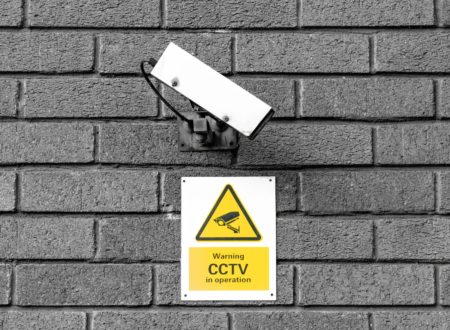
Warehouses are a crucial part of many businesses, but they also pose a number of safety concerns for employees. From theft and vandalism to accidents and injuries, keeping warehouse workers safe is a top priority for managers and owners. One effective way to improve employee safety is by installing security cameras. Not only does CCTV act as a deterrent for criminal activity, but a warehouse camera system also provides managers with the ability to monitor and review incidents, facilitate investigations and legal proceedings, and improve employee awareness and accountability. In this article, we will discuss the benefits of warehouse security cameras, how to choose the best system for you, and maintain the right system for your warehouse.
The Benefits of Warehouse Security Cameras
- Deterrent for theft and vandalism: The presence of security cameras can act as a deterrent for potential thieves and vandals, who may be less likely to commit crimes if they know they are being monitored. This can create a safer environment for employees and reduce the risk of theft or damage to equipment and inventory.
- Monitoring and review of incidents: Security cameras allow managers to monitor the warehouse in real-time and review footage of any incidents that occur. This can provide valuable information about the cause of accidents or injuries and help managers take steps to prevent similar incidents in the future.
- Facilitation of investigations and legal proceedings: Footage from security cameras can be used as evidence in investigations of theft, vandalism, or other crimes. It can also be used as evidence in legal proceedings, such as workers’ compensation claims or liability lawsuits.
- Improved Employee Awareness and Accountability: Security cameras can help improve employee awareness and accountability by making them more aware of their actions and the actions of their colleagues. This can lead to better safety practices and a more productive workforce.
- Improve Surveillance: Security cameras can provide live monitoring of the warehouse and workers, which can help managers to quickly identify and resolve issues that arise. This can help to improve efficiency and productivity.
- Detecting Unsafe Practices: Security cameras can also be used to detect any unsafe practices of employees, which can be addressed and corrected quickly to improve overall safety in the warehouse.
We prefer IP cameras for commercial CCTV
Now there are a good number of options when it comes to your team choosing warehouse security cameras. If you look through the options we have on sale, we’ve got a number of different categories like HD analog, wireless, and more. However, the best options we’ve found to be most effective would be wired network IP cameras.
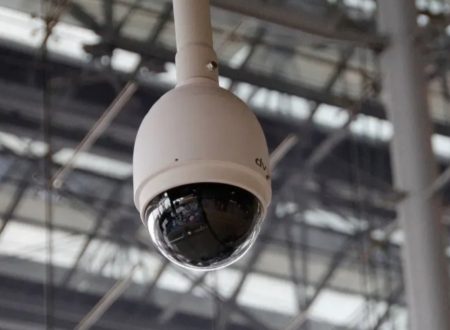
Whereas you can save money by going with HD analog or wireless, IP cameras currently make the best warehouse security cameras due to them being the current generation of CCTV. Offering several popular features from the getgo, warehouse CCTV that uses IP cameras feature a greater scale of video quality while also offering several features that help to streamline data storage in a network video recorder or video server system.
Put frankly, IP cameras allow you to get the best picture of everything that goes on in a warehouse, regardless of if it’s in hallways, tight spaces, or loading docks. Covering areas with varying light levels thanks to WDR and lots of traffic without much of a drop in video quality, these cameras are some of the best options for workspaces because you get the best video performance.
Furthermore, IP cameras are also the best options for warehouses thanks to them being specifically made for software functions. While you could get that from analog systems, the performance and features simply are not comparable when standing beside IP cameras. Such features offered by IP cameras that benefit you as a manager include remote streaming, mobile alerts, access control integration, and more.
IP cameras are the best warehouse cameras
With all of the information about IP cameras in mind, our team believes that they are best when considering warehouse security cameras. Managers need the ability to seamlessly monitor their staff on and off-site. IP cameras make that easy whether you have advanced software or the basic package.
As covered in a past article, IP cameras also offer enhanced coverage with onsite safety for employees, customers, and visitors alike. Especially if you have someone constantly monitoring the incoming video footage, security and safety personnel can catch the majority of safety risks as they happen. Furthermore, warehouse security cameras with network technology can catch poor work performance or unsafe habits, allowing management to retrain or reprimand employees far faster than without.

Warehouse Security Checklist
Creating a comprehensive warehouse security checklist is essential to ensure the safety and security of your facility, employees, and assets. Here’s a checklist you can use as a starting point. Adapt it to your specific needs and circumstances:
1. Access Control:
- Install secure access points with controlled entry and exit.
- Use key cards, biometric scanners, or PIN codes for access.
- Restrict access to authorized personnel only.
2. Perimeter Security:
- Install sturdy fencing and gates around the facility.
- Use security cameras to monitor the perimeter.
- Consider motion sensors or alarms for unauthorized entry attempts.
3. Surveillance Systems:
- Install high-quality security cameras throughout the warehouse.
- Ensure coverage of critical areas, such as entrances, exits, and valuable inventory locations.
- Use both indoor and outdoor cameras.
- Implement a video recording and storage system.
4. Lighting:
- Adequately illuminate the entire warehouse, including parking lots and entryways.
- Use motion-activated lights to deter intruders.
5. Alarms and Monitoring:
- Install intrusion alarms that trigger notifications to security personnel or law enforcement.
- Set up 24/7 monitoring of alarms and surveillance feeds.
- Test alarm systems regularly to ensure functionality.
6. Inventory Control:
- Implement an inventory tracking system to monitor the movement of goods.
- Conduct regular inventory audits to detect discrepancies or theft.
- Use RFID or barcoding for efficient tracking.
7. Employee Access Control:
- Restrict employee access to specific areas based on their roles.
- Conduct background checks on all employees.
- Maintain a visitor log and issue temporary access badges.
8. Emergency Response Plan:
- Develop and communicate a clear emergency response plan for fire, natural disasters, or security breaches.
- Conduct regular drills and training for employees.
9. Security Personnel:
- Employ security guards or personnel to patrol the warehouse.
- Ensure they are trained in security protocols and emergency procedures.
10. Secure Entrances and Exits:
- Install security doors with robust locks.
- Use access control systems for entrance and exit points. – Secure loading docks and use access control measures there as well.
11. Cybersecurity:
- Protect your warehouse’s digital systems against cyber threats.
- Use firewalls, antivirus software, and regular software updates.
- Educate employees about cybersecurity best practices.
12. Fire Safety:
- Install smoke detectors and fire extinguishers throughout the warehouse.
- Maintain a fire suppression system if applicable.
- Conduct fire drills and provide fire safety training.
13. Secure Data and Records:
- Safeguard sensitive documents and data.
- Use secure file storage and access control measures.
- Regularly backup important data.
14. Vendor and Contractor Management:
- Screen and monitor vendors and contractors who have access to your warehouse.
- Ensure they follow security protocols.
15. Regular Security Audits:
- Conduct periodic security assessments and audits to identify vulnerabilities.
- Address any weaknesses promptly.
16. Reporting and Incident Response:
- Establish a clear process for reporting security incidents.
- Investigate incidents thoroughly and take appropriate actions.
17. Employee Awareness:
- Train employees on security policies and procedures.
- Encourage them to report suspicious activities or individuals.
18. Document Security Policies:
- Create and document security policies and procedures for the warehouse.
- Ensure all employees have access to these documents.
19. Evacuation Plan:
- Develop a detailed evacuation plan with designated assembly points.
- Ensure all employees are familiar with the plan.
20. Regular Maintenance:
- Maintain security equipment and infrastructure regularly.
- Replace or upgrade security systems as needed.
Remember that security is an ongoing process, and regular reviews and updates to your warehouse security checklist are essential to adapt to changing threats and vulnerabilities. Tailor this checklist to meet your specific security needs and consult with security experts if necessary.
Purchase your warehouse security cameras from A1 today!
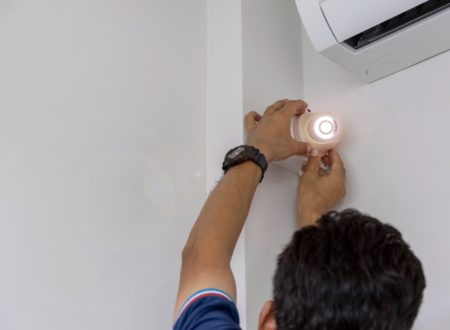
As shown, warehouse security cameras not only improve employee safety but also hold everyone accountable. Offering a tool to improve training, product security, and more, these products are perfect for any business. Businesses local to Dallas Fort Worth can enjoy installation, upgrade, and repair services through our A1 installation team. Whether for our products (available worldwide) or services, contact us today!
Related Articles
- Best Security Camera System Brands for Warehouse
- Which security camera style should I choose?
- Best Places to Install Security Cameras for Businesses
- Why You Need to be Rethinking Security Cameras
- All You Need to Know to Buy a Security Camera System
- Why Get Indoor Security Cameras?
- Workplace Cameras Improving Employee Safety
- What can I do with an old Wired Security System?
- Advantages and Disadvantages of Using Security Cameras