
 By
By 
In recent years, security camera systems have become a crucial tool for protecting homes, businesses, and public spaces. Churches are no exception, and many have realized the importance of implementing a security camera system to safeguard their congregants, staff, and property.
However, selecting the right security camera system for a church can be a daunting task. There are numerous options available, each with its own set of features, benefits, and drawbacks. It’s important to consider factors such as resolution, field of view, low-light performance, and storage capacity to ensure that the chosen system will meet the specific needs of the church.
In this Church Security Camera Systems: Ultimate Buying Guide, we’ll take a deep dive into the world of church security cameras. We’ll explore the different types of cameras available, the various factors to consider when selecting a system, how to install and monitor the footage, the cost, and maintenance of the system. By the end of this guide, you’ll have a comprehensive understanding of how to choose the right security camera system for your church, enhancing its safety and security for years to come.
4 x Dome Indoor Camera Systems for Church
- 4 x Dome Cameras,
- 1080p Full HD Resolution,
- Wide-Angle Field of View,
- 65ft. Night Vision,
- 3-Year Warranty.

Why Churches Need Security Camera Systems?
In today’s world, it’s essential for churches to prioritize the safety and security of their congregants and staff. Unfortunately, churches have become a target for theft, vandalism, and even violent attacks. That’s why implementing a church security camera system is becoming increasingly important.
A church security camera system can provide a sense of security and deter potential threats, as well as help identify and prosecute criminals who may target a church. However, with so many options available in the market, it can be overwhelming to choose the right system for your church’s needs.
In this Church Security Camera Systems: Ultimate Buying Guide, we will discuss the different types of security cameras available, factors to consider when selecting a system, installation tips, how to monitor the footage, cost, and maintenance of a church security camera system. By the end of this guide, you will have a better understanding of how to choose the best security camera system for your church, enhancing the safety and security of your place of worship.
Types of Security Cameras for Churches

There are several types of security cameras available on the market, each with its own unique features and benefits. The most common types of security cameras used in churches include fixed cameras, pan-tilt-zoom security cameras, and dome security cameras.
Fixed cameras, as the name suggests, are stationary cameras that can only capture a fixed area. These cameras are ideal for churches that require surveillance of a specific area, such as the entrance or parking lot. They are generally less expensive than other types of cameras, making them an affordable option for smaller churches.

Pan-tilt-zoom cameras, or PTZ security cameras, offer greater flexibility than fixed cameras. These cameras can pan, tilt, and zoom to capture a wider area and follow movements. They can also be remotely controlled, which makes them an ideal option for churches with larger spaces or multiple areas that need to be monitored.
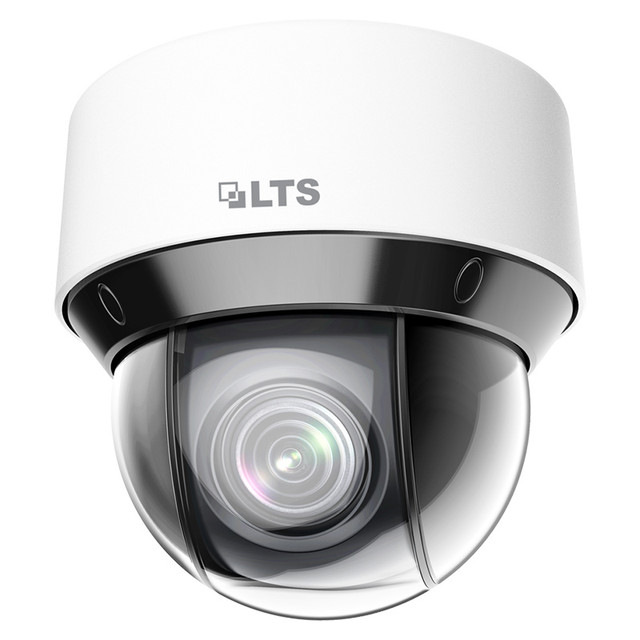
Dome security cameras, as the name suggests, are dome-shaped cameras that can be mounted on ceilings or walls. These cameras offer a 360-degree field of view and can be adjusted remotely to focus on a particular area. They are ideal for churches that require monitoring of a larger area, such as a sanctuary or worship hall.

When selecting a security camera for your church, it’s important to consider the specific needs of your church and the areas that need to be monitored. Each type of camera has its own strengths and weaknesses, and choosing the right one can make a significant difference in the overall security and safety of your church.
Factors to Consider When Selecting a Church Security Camera System
Selecting a church security camera system can be a complex process. There are numerous factors to consider, including the type of cameras, resolution, field of view, low-light performance, storage capacity, and budget. Here are some key factors to keep in mind when selecting a church security camera system:
Resolution: The resolution of a camera refers to the number of pixels it can capture. Higher resolution cameras provide more detail, but they also require more storage space and bandwidth. It’s important to select a camera with the appropriate resolution for the area being monitored.
Field of View: The field of view refers to the area that the camera can capture. It’s important to choose a camera with a wide enough field of view to cover the area being monitored.
Low-light Performance: Churches are often dimly lit, which can make it challenging for cameras to capture clear footage. Look for cameras with good low-light performance or consider adding additional lighting to the areas being monitored.
Storage Capacity: The amount of storage required for a church security camera system will depend on the number of cameras and the resolution of the footage being captured. Consider using a cloud-based storage system or investing in a network-attached storage (NAS) device to store footage.
Budget: Church security camera systems can vary greatly in price. It’s important to consider the budget available and select a system that provides the necessary level of security while remaining within the budget.
Purpose: Determine the primary purpose of the security camera system. Do you need it for surveillance, deterrence, or identification purposes? This will help determine the type and number of cameras needed.
Location: Consider the location of the church and the surrounding area. Are there high-crime areas nearby? Is there a history of theft or vandalism? This will help determine the level of security needed and the type of cameras required.
Lighting Conditions: Lighting conditions can have a significant impact on the effectiveness of security cameras. Consider the lighting conditions both inside and outside the church and choose cameras that are suitable for those conditions.
Camera Quality: The quality of the cameras is critical for effective surveillance. Consider factors such as resolution, frame rate, and field of view when selecting cameras.
Integration with Other Systems: Consider whether the security camera system needs to integrate with other security systems, such as access control or alarm systems.
By considering these factors when selecting a church security camera system, you can ensure that you choose a system that provides the necessary level of security for your church.
4 x Dome Indoor Camera Systems for Church
- 4 x Dome Cameras,
- 1080p Full HD Resolution,
- Wide-Angle Field of View,
- 65ft. Night Vision,
- 3-Year Warranty.
Installing and Monitoring a Church Security Camera System

Once you have selected a church security camera system, the next step is to install and monitor it effectively. Here are some tips to ensure that your system is installed and monitored correctly:
Choose a Professional Installer: Unless you have experience with installing security camera systems, it’s best to hire a professional installer to ensure that the system is installed correctly. A professional installer can also help with configuring the system and ensuring that it’s set up for optimal performance.
Test the System: Once the system is installed, it’s important to test it to ensure that all cameras are working correctly and the footage is being captured as intended. Test the system regularly to ensure that it’s working properly.
Assign Responsibility: Assign someone to be responsible for monitoring the footage captured by the cameras. This could be a staff member or a security guard.
Set Up Alerts: Many security camera systems have the ability to send alerts when they detect motion or other unusual activity. Set up alerts to ensure that you are notified of any potential security threats in a timely manner.
Train Staff: Train your staff on how to use the security camera system and how to respond to security threats. Make sure that they know how to contact the appropriate authorities if necessary.
By following these tips, you can ensure that your church security camera system is installed and monitored effectively, providing the necessary level of security for your church.
Security Camera System Installation in DFW!
Here are some that we offer!
- IP surveillance installation
- Hybrid surveillance installation
- Analog surveillance installation
- access control installation
- Surveillance and access control integration
- Complete system rewiring
- Installed system configuration
- Alarm system integration
- System upgrade from analog to hybrid or digital
With all of these services and more available to you through our installation team, A1 Security Cameras is ready to benefit you with the best service in Dallas Fort Worth. With products from our catalog, we will provide you with the best surveillance and access control in the industry!
Privacy and Legal Considerations for Church Security Camera Systems
While security camera systems can provide valuable security and safety benefits for churches, it’s important to also consider the privacy and legal implications of using them. Here are some key considerations to keep in mind:
Inform Congregation Members: It’s important to inform your congregation members that security cameras are being used on the premises. Consider posting signs or including a notice in the church bulletin.
Limit Camera Access: It’s important to limit access to the footage captured by the cameras to authorized personnel only. This can help ensure that the privacy of congregation members is protected.
Comply with Applicable Laws: Churches must comply with federal and state laws related to the use of security cameras. Familiarize yourself with the laws that apply to your church and ensure that you are in compliance.
Consider Privacy Concerns: When selecting the placement of cameras, consider the privacy concerns of congregation members. Avoid placing cameras in areas such as restrooms or changing rooms.
Review Footage Carefully: When reviewing footage captured by the cameras, it’s important to do so carefully and with the appropriate level of sensitivity to the privacy concerns of congregation members.
By taking these privacy and legal considerations into account, churches can ensure that their security camera systems are used in a responsible and legal manner, while still providing the necessary level of security and safety for the congregation.
Additional Features and Accessories to Enhance Church Security Camera Systems

In addition to the core features of a church security camera system, there are a number of additional features and accessories that can enhance the system’s effectiveness. Here are some examples:
Two-Way Audio: Some security cameras have two-way audio capabilities, allowing staff members to communicate with potential intruders or visitors.
Motion Detectors: Motion detectors can be used in conjunction with security cameras to trigger recordings and alerts when motion is detected.
Remote Access: Many security camera systems have remote access capabilities, allowing staff members to monitor the system from a smartphone or other device.
Pan-Tilt-Zoom (PTZ) Cameras: PTZ security cameras can be remotely controlled to move and zoom, providing a wider field of view and more flexibility in monitoring.
Vandal-Proof Cameras: Vandal-proof cameras are designed to withstand attempted tampering or damage, providing added protection for the system.
Backup Power Supply: A backup power supply can ensure that the security camera system remains operational during power outages or other disruptions.
By considering these additional features and accessories, churches can enhance the effectiveness of their security camera systems and provide an even greater level of security and safety for the congregation.
Cost and Budget Considerations for Church Security Camera Systems
The cost of a church security camera system can vary greatly depending on the type and number of cameras, features, and other factors. Here are some factors to consider when budgeting for a church security camera system:
Number of Cameras: The more security cameras you need, the higher the cost of the system. Consider the size of your church property and the areas that need to be covered.
Type of Cameras: Different types of cameras have different costs. For example, PTZ security cameras are generally more expensive than fixed cameras.
Installation Costs: Professional security camera installation can add to the cost of the system. Consider whether you have the expertise to install the system yourself or if you need to hire a professional installer.
Maintenance Costs: Maintenance costs can include regular system checks and repairs as needed. Consider whether you have the staff or budget to handle these ongoing costs.
System Features: Additional features such as remote access, motion detectors, and two-way audio can add to the cost of the system.
Budget Constraints: Consider your overall budget for the security camera system and prioritize features and options accordingly.
By carefully considering these cost and budget factors, churches can select a security camera system that fits their needs and budget while still providing the necessary level of security for their congregation.
Installation and Maintenance Considerations for Church Security Camera Systems

Proper installation and maintenance are critical for the effective operation of a church security camera system. Here are some important considerations:
Professional Installation: Professional installation can help ensure that the system is installed correctly and that all components are working together properly.
Regular Maintenance: Regular maintenance can help identify and address issues before they become major problems, and ensure that the system is operating at peak performance.
Training and Education: Staff members who will be using the security camera system should be trained on how to operate it effectively and securely.
Upgrades and Updates: As technology evolves, it’s important to keep the security camera system up-to-date with the latest upgrades and updates.
Ongoing Support: Consider whether you have access to ongoing technical support for your security camera system, whether from the manufacturer or a third-party provider.
By following these installation and maintenance considerations, churches can help ensure that their security camera systems are operating effectively and providing the necessary level of security for their congregation.
How to Install a Church Security Camera System?
Here are some general steps to follow when installing a church security camera system:
Plan the installation: Determine the placement of the cameras and the equipment required for installation. Consider the coverage area, lighting, and accessibility of the cameras.
Install the cameras: Mount the cameras according to the manufacturer’s instructions. Ensure that the cameras are properly aligned and focused on the desired area.
Install the cabling: Run cabling from the cameras to the recording equipment or network switch. Ensure that the cabling is properly secured and protected from damage.
Install the recording equipment: Depending on the type of system, install the recording equipment such as a DVR or NVR. Connect the cameras to the recording equipment.
Configure the system: Configure the settings of the cameras and the recording equipment. Set up the desired recording schedules, motion detection settings, and notifications.
Test the system: Test the system to ensure that it is properly installed and configured. Ensure that the cameras are recording and the footage is being saved.
Train the users: Train the users on how to operate the system. Ensure that they know how to access the footage, save and share footage, and operate the system securely.
Ongoing maintenance: Regularly check the system to ensure that it is functioning properly. Perform routine maintenance such as cleaning the cameras and cabling, and updating software and firmware as necessary.
It is important to note that some churches may require the services of a professional installer to properly install the security camera system. If you want expert support, you can write to us from the contact form or even reach us by filling out the offer form.
Related Church Blog Posts
- Why Churches Should Invest in Security Cameras?
- Church Cameras Help Secure Congregations
- How can I protect my church? Complete Guide
- Why installing surveillance for Churches is Tricky
- Churches using Daycare Cameras to Keep Kids Safe
- Everything you need to know for the safety of places of worship
- Church Security Checklist
- All You Need to Know to Buy a Security Camera System
- How Camera Systems Can Improve School Safety?
- Church Security Camera Systems: Ultimate Buying Guide
- What is a Good Cheap Security Camera System?