
 By
By 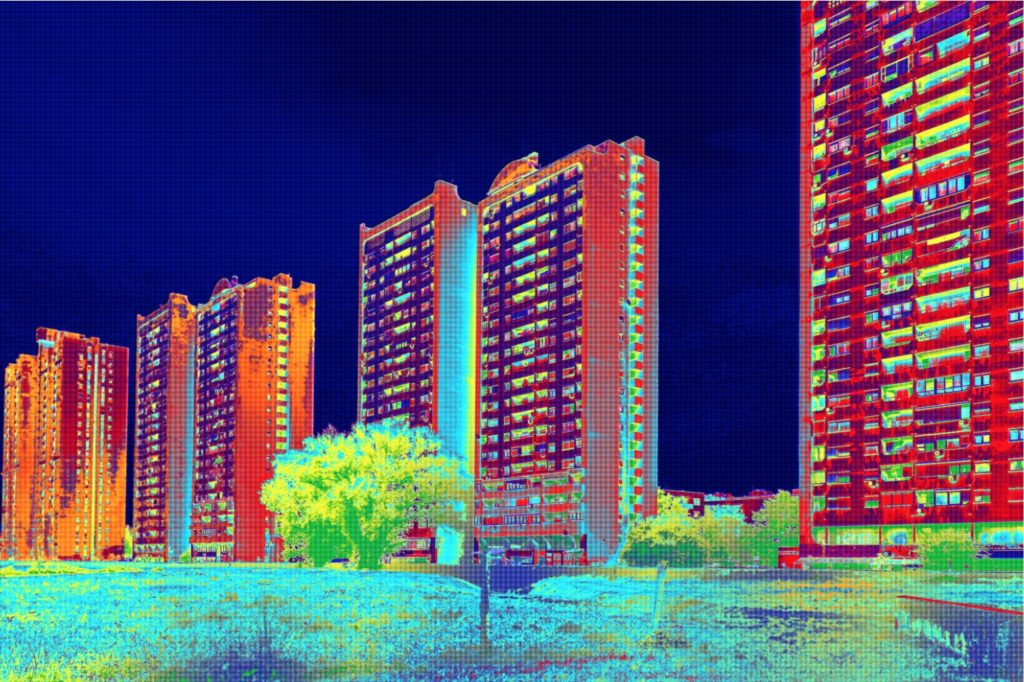
A thermal PTZ camera, also known as a Thermal Pan-Tilt-Zoom camera, is a type of surveillance camera that combines thermal imaging technology with the ability to pan (move horizontally), tilt (move vertically), and zoom in on objects or areas of interest. These cameras are primarily used for security and surveillance purposes, especially in situations where nighttime visibility is limited or when the detection of heat signatures is essential.
What are thermal security cameras?
Thermal security cameras, also known as thermal imaging cameras, are specialized surveillance devices that capture images and videos based on the detection of heat radiation (infrared or thermal energy) emitted by objects and living beings. Unlike traditional security cameras, which rely on visible light, thermal security cameras are designed to work in low-light conditions, complete darkness, and various adverse weather conditions. They are commonly used in security and surveillance applications to enhance situational awareness and detect heat sources, making them valuable tools in both commercial and military settings.
Thermal security cameras are a valuable addition to security and surveillance systems, offering enhanced capabilities for detecting and responding to potential threats in challenging environmental and lighting conditions.
Key features and advantages of Thermal security cameras:
Heat Detection: Thermal cameras detect heat signatures, so they can effectively identify people, animals, and other objects based on the temperature difference between the subject and the surrounding environment.
No Lighting Required: Thermal cameras do not rely on external lighting, making them ideal for nighttime surveillance or areas with limited visibility.
All-Weather Performance: They work in various weather conditions, including rain, fog, snow, and smoke, where traditional cameras may struggle.
Low-Light and Total Darkness: Thermal cameras can provide clear images even in extremely low-light or pitch-black conditions, making them ideal for security applications.
Wide Field of View: Some thermal cameras have a wide field of view, allowing for monitoring of large areas with a single camera.
No Glare or Shadows: They do not produce glare or shadows, which can be a problem with traditional cameras in certain lighting conditions.
Detects Hidden Threats: Thermal cameras can detect intruders hidden behind foliage or obstacles, as well as individuals trying to avoid traditional security measures.
Integration: Many thermal security cameras can be integrated into larger security systems, allowing for remote monitoring and control through a central interface.
Customizable Alarms: Some thermal cameras can be set to trigger alarms when they detect heat signatures, helping security personnel respond quickly to potential threats.
Energy Efficiency: Thermal cameras tend to be energy-efficient, making them cost-effective for continuous surveillance.
Applications of thermal security cameras include
Perimeter Security: Protecting the boundaries of properties, military installations, and critical infrastructure.
Border Security: Monitoring and securing national borders.
Wildlife Monitoring: Studying and observing wildlife, including tracking animals in the dark.
Search and Rescue: Locating missing persons or survivors in disaster-stricken areas.
Industrial and Fire Detection: Detecting equipment overheating or fire outbreaks in industrial settings.
Law Enforcement: Assisting law enforcement in various scenarios, such as locating suspects at night.
Maritime Security: Monitoring ports, waterways, and coastlines for potential threats or illegal activities.
Aviation Security: Scanning runways and perimeters at airports for wildlife or unauthorized access.
What are PTZ security cameras?
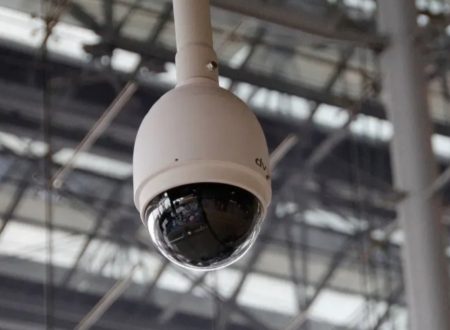
PTZ security cameras, also known as Pan-Tilt-Zoom cameras, are a type of surveillance camera equipped with motorized mechanisms that enable them to pan (move horizontally), tilt (move vertically), and zoom in on objects or areas of interest. These cameras are widely used in security and surveillance applications and provide a high degree of flexibility and control for monitoring and capturing images and video in both fixed and dynamic settings.
PTZ security cameras offer a valuable tool for surveillance and security professionals, providing flexibility, control, and enhanced situational awareness in various settings. Their versatility makes them suitable for a wide range of applications.
Key features and advantages of PTZ security cameras:
- Pan-Tilt-Zoom Capability: The primary feature of PTZ cameras is their ability to pan, tilt, and zoom. The pan function allows them to rotate horizontally, the tilt function allows vertical movement, and the zoom function enables the adjustment of the focal length to magnify distant objects.
Remote Control: PTZ cameras can be controlled remotely, typically through a control interface or software. This allows operators to adjust the camera’s viewing angle and focus on specific areas or objects within the camera’s field of view in real time.
Coverage of Large Areas: PTZ cameras are particularly useful for monitoring large areas or spaces, as they can be directed to different positions and zoom levels as needed.
Tracking Moving Objects: PTZ cameras can follow and track moving objects within their range, making them valuable for applications where subjects are not stationary.
Variable Zoom Levels: Many PTZ cameras have powerful optical and digital zoom capabilities, allowing for detailed observation of distant objects or areas.
Pre-Set Positions: PTZ cameras often have the ability to set and recall pre-determined positions and patterns, which can be useful for surveying specific locations or patrolling an area.
Surveillance Scheduling: They can be programmed to follow a predefined schedule for surveillance, making them versatile for 24/7 monitoring.
Integration: PTZ cameras can be integrated into larger surveillance systems, allowing for seamless control and data management. They can be part of a network of cameras accessed through a central control center.
Deterrence: In some cases, the presence of a PTZ camera with visible pan, tilt, and zoom capabilities can serve as a deterrent to potential intruders or wrongdoers.
Enhanced Situational Awareness: PTZ cameras provide security personnel with a better view of the environment, helping to identify potential threats or issues.
Applications of PTZ security cameras include
Commercial and Industrial Security: Monitoring large commercial facilities, warehouses, and industrial sites.
Public Spaces: Surveillance of public spaces such as city centers, parks, and transportation hubs.
Retail Stores: Reducing theft and shoplifting by providing a flexible surveillance solution.
Traffic Monitoring: Controlling and monitoring traffic flow at intersections and on highways.
Critical Infrastructure: Protecting key infrastructure assets like power plants, water treatment facilities, and data centers.
Stadiums and Event Venues: Ensuring safety and security at sports stadiums and event venues.
Campuses: Surveillance of educational campuses, including universities and schools.
Airports: Monitoring airport terminals, runways, and perimeters for security purposes.
Law Enforcement: Supporting law enforcement in surveillance and tracking of suspects.
What are Thermal PTZ Security Cameras?
Thermal PTZ (Pan-Tilt-Zoom) security cameras are a type of surveillance camera system that combines thermal imaging technology with the ability to pan, tilt, and zoom the camera’s lens. These cameras are designed for enhanced security and surveillance in various applications, particularly in low-light or adverse environmental conditions where traditional visible light cameras may be less effective.
Here are the main components and features of a thermal PTZ camera:
Thermal Imaging Sensor: The core component of a thermal PTZ camera is its thermal imaging sensor. Instead of capturing images based on visible light, this sensor detects heat radiation (infrared or thermal radiation) emitted by objects and living beings. It converts this heat information into a visual representation, typically using a grayscale or false-color image where warmer objects appear brighter.
Pan-Tilt-Zoom Mechanism: The PTZ functionality allows the camera to move horizontally (pan), vertically (tilt), and adjust its zoom level. This remote control enables operators to adjust the camera’s viewing angle and focus on specific objects or areas within the camera’s field of view.
Zoom Capability: Thermal PTZ cameras are equipped with zoom lenses that can be adjusted to change the focal length and magnify distant objects. This is particularly useful for tracking or identifying subjects at various distances.
Real-Time Monitoring: Operators can control the camera’s movement and zoom remotely, typically through a control interface. This provides real-time monitoring and the ability to respond to security incidents or events as they unfold.
Night Vision and All-Weather Performance: Thermal cameras are highly effective in low-light and nighttime conditions because they do not rely on visible light. They are also capable of performing in various weather conditions, such as rain, fog, and smoke.
Applications: Thermal PTZ cameras are commonly used in security and surveillance applications, including perimeter security, border monitoring, critical infrastructure protection, wildlife observation, search and rescue operations, and military and defense. They are valuable for detecting intruders, monitoring wildlife, and conducting search and rescue missions.
Integration: These cameras are often integrated into larger security and surveillance systems, allowing for seamless control and data management. They can be part of a network of cameras that are accessed through a central control center or software interface.
Energy Efficiency: Thermal cameras are generally energy-efficient compared to traditional cameras with built-in illuminators, as they do not require external lighting to operate effectively.
Thermal PTZ cameras are a valuable tool in security and surveillance due to their ability to detect heat signatures in challenging lighting and environmental conditions. They provide an extra layer of protection and situational awareness, making them popular in a wide range of applications where accurate detection and monitoring are essential.
Applications for thermal PTZ cameras include
Applications for thermal PTZ cameras are diverse and span various industries and security needs. Some common applications include:
Perimeter Security: Thermal PTZ cameras are widely used to secure the perimeters of critical infrastructure, military installations, prisons, and other sensitive sites. They can detect and track intruders even in complete darkness or adverse weather conditions.
Border Surveillance: For border control and protection, thermal PTZ cameras are essential. They can spot illegal crossings and track movement along national borders, helping border security agencies monitor and respond to potential threats.
Wildlife Monitoring: Researchers and conservationists use thermal PTZ cameras for tracking and observing wildlife behavior. These cameras are ideal for studying nocturnal animals or those in remote locations.
Search and Rescue: In search and rescue missions, thermal PTZ cameras can help locate missing persons in low-visibility conditions, such as during nighttime or in foggy or forested areas.
Maritime and Port Security: Port authorities use thermal PTZ cameras for monitoring vessel traffic, ensuring safety, and detecting potential security threats on or near the water.
Industrial Facilities: Thermal PTZ cameras are deployed in industrial settings to monitor equipment, detect overheating machinery or electrical faults, and enhance safety protocols.
Fire Detection: Thermal cameras can detect hotspots and wildfires, allowing for early intervention and faster response by firefighters. They are particularly valuable in fire-prone areas.
Traffic Management: Thermal PTZ cameras can be used for traffic monitoring and management, helping authorities identify accidents, congestion, and vehicle movement in low-light conditions.
Critical Infrastructure Protection: Facilities like power plants, water treatment plants, and communication hubs utilize thermal PTZ cameras to safeguard against unauthorized access and potential security breaches.
Event Security: At large-scale events or gatherings, thermal PTZ cameras can help security personnel monitor crowds and detect any unusual or suspicious activity.
Military and Defense: Defense organizations deploy thermal PTZ cameras for surveillance, reconnaissance, and intelligence gathering, as they can detect military movements even in challenging environments.
Search and Surveillance Operations: Law enforcement agencies use these cameras for surveillance, suspect tracking, and drug interdiction operations.
Aviation Security: Airports use thermal PTZ cameras to enhance runway and perimeter security.
Environmental Monitoring: Scientists and researchers use thermal PTZ cameras to study weather patterns, monitor natural disasters, and assess environmental conditions.
Smart Cities: In smart city initiatives, these cameras can be integrated into the urban infrastructure to enhance overall security, traffic management, and emergency response capabilities.
The versatility and effectiveness of thermal PTZ cameras make them a valuable tool for numerous applications where visibility in low light or challenging conditions is essential for safety and security.
Related Articles
- What is PTZ camera? A Complete Guide
- Best Selling PTZ Cameras and Brands
- PTZ vs. Panoramic: Which is Best for You?
- How to Display and Control Your PTZ Camera
- Which security camera style should I choose?
- Infrared vs. Thermal Cameras: What are the Differences?
- 10 Benefits of Thermal Imaging Cameras
- What is the advantage of thermal security cameras?
- Should I buy Thermal security cameras?
- FLIR One: Thermal Imagining on Your Smartphone