
 By
By 
In the realm of surveillance technology, Pan-Tilt-Zoom (PTZ) cameras occupy a unique niche, offering an unprecedented level of control and coverage to security-conscious users. In this blog post, we delve deep into the world of PTZ cameras to bring you all the details you need to know about these versatile surveillance tools.
What does PTZ stand for in PTZ cameras?
PTZ in PTZ cameras stands for Pan, Tilt, and Zoom. These are the three basic movements that this type of camera can make. “Pan” refers to horizontal movement, “Tilt” refers to vertical movement, and “Zoom” allows the camera to close in on or widen its view of a particular area.
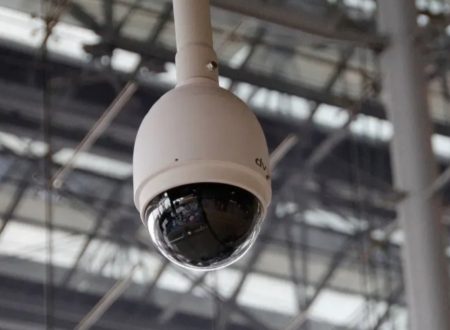
PTZ cameras are a type of CCTV camera that can pan (move left or right), tilt (move up and down), and zoom (close in on or widen its view) – giving them the ability to monitor large areas and focus in on specific details. This makes them incredibly useful for a wide range of applications, from home security to business surveillance, traffic monitoring, and even wildlife observation.
How do PTZ cameras work?
PTZ cameras work by combining the functionalities of standard surveillance cameras with additional features that allow them to pan (move left or right), tilt (move up and down), and zoom (close in or widen its view).
- Pan: This function allows the camera to move or rotate horizontally, providing a wide field of view. It’s like turning your head from side to side.
Tilt: This feature enables the camera to move vertically, either upwards or downwards. It’s like nodding your head up and down.
Zoom: This function allows the camera to focus on distant objects, making them appear closer, or to widen its view to take in a larger area.
The PTZ functions of the camera can be controlled manually by an operator using a remote control or a computer. The operator can adjust the camera’s focus to monitor different areas, track movement, or investigate suspicious activities.
Additionally, many PTZ cameras can be programmed to move automatically, following a pre-set pattern of areas to monitor. Some models also have intelligent tracking features, allowing the camera to automatically detect and follow movement within its field of view.
The video feed from the PTZ camera can be recorded and stored on a digital video recorder (DVR) or network video recorder (NVR), and can often be accessed remotely over the internet.
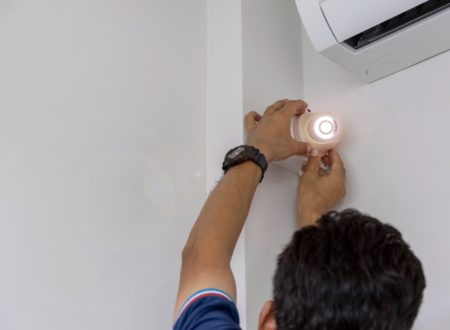
In terms of installation, PTZ cameras are usually mounted on ceilings or walls and are often used in conjunction with other security measures, like alarms or motion detectors. They can be powered either by direct wiring to a power source or via a network cable using Power over Ethernet (PoE) technology.
What are the primary features of PTZ cameras?
PTZ cameras come with several primary features that set them apart from other types of surveillance cameras:
Pan, Tilt, and Zoom Functions: As the name implies, PTZ cameras can pan (move horizontally), tilt (move vertically), and zoom (focus on a far-off detail or widen its view). This allows them to cover a large area and focus on specific points of interest.
Remote Control: PTZ cameras can be controlled remotely, either manually by an operator or automatically. The controls allow the operator to move the camera, adjust the focus, and even switch between different video modes.
High-Quality Image Resolution: Many PTZ cameras offer high-definition or even ultra-high-definition (4K) video resolution, providing clear, detailed images.
Night Vision: Many PTZ cameras come equipped with infrared night vision capabilities, allowing them to capture clear video footage in low-light conditions or even complete darkness.
Motion Tracking: Some PTZ cameras can automatically detect and follow movement within their field of view. This can be particularly useful for monitoring high-risk areas or tracking the movement of individuals or vehicles.
Pre-set Patrol Routes: PTZ cameras can be programmed to follow specific patrol routes, covering key areas of interest at pre-set intervals.
Wide Field of View: Thanks to their ability to pan and tilt, PTZ cameras can cover a much larger area than fixed cameras.
Weatherproof and Vandal-Proof Design: Many PTZ cameras are designed to withstand harsh weather conditions and attempts at physical tampering or vandalism, making them suitable for outdoor as well as indoor use.
Integration Capabilities: PTZ cameras can often be integrated with other security systems, such as alarms or motion detectors. They can also be connected to a network, allowing for remote access and control.
Audio Capabilities: Some PTZ cameras also have audio capabilities, either one-way (allowing you to listen to the sound in the camera’s vicinity) or two-way (allowing you to communicate with people near the camera).
How does the pan, tilt, and zoom functionality work on these cameras?
The pan, tilt, and zoom functionality on PTZ cameras allows them to move and adjust their view remotely. Here’s how each of these functions works:
- Pan: The pan function allows the camera to move horizontally, or side-to-side. This is achieved through a motor that rotates the camera on its horizontal axis. The extent to which a camera can pan can range from one specific point to another, or in some cases, a full 360 degrees.
- Tilt: The tilt feature lets the camera move vertically, or up and down. Like the pan function, this is achieved through a motor that moves the camera on its vertical axis. The degree to which a camera can tilt may vary but it typically covers a range from the horizon to directly beneath the camera.
- Zoom: The zoom function allows the camera to close in on a specific area or object to capture more detail, or to widen its view to cover a larger area. This is achieved either through optical zoom, digital zoom, or a combination of both.
- Optical Zoom: This involves the actual movement of lenses inside the camera to magnify an image. It provides a clear and high-quality close-up view without losing image resolution.
Digital Zoom: This involves enlarging the pixels in the image to make it seem like the camera is zooming in. However, this can often result in a lower-quality image as it’s essentially just enlarging the picture, not bringing it closer.
These functions can be controlled manually by an operator using a control panel, joystick, software on a computer, or even a smartphone app. Many PTZ cameras can also be programmed to move automatically, following pre-set patterns or responding to triggers such as motion detection.
What are the main applications or uses of PTZ cameras?
PTZ cameras are versatile and can be used in a variety of applications owing to their ability to cover large areas and focus on specific details. Here are some of the main uses of PTZ cameras:
Commercial and Retail Security: PTZ cameras are commonly used in shopping centers, retail stores, and business premises to monitor customer and employee activity, deter theft, and provide evidence in case of incidents.
Traffic Monitoring: Due to their ability to pan, tilt, and zoom, these cameras are often used in traffic monitoring systems to oversee traffic flow, identify accidents or congestion, and monitor pedestrian activity.
Sports and Live Events: PTZ cameras are frequently used in sports arenas and at live events due to their ability to track movement and zoom in on the action.
Public Safety and City Surveillance: PTZ cameras are used in public spaces like parks, city streets, and public buildings for general surveillance, crime prevention, and evidence collection.
Education Institutions: Schools, colleges, and universities use PTZ cameras for security purposes, to monitor classrooms and common areas, and even to record lectures or presentations.
Industrial Monitoring: In factories and industrial settings, PTZ cameras can help monitor the manufacturing process, oversee worker safety, and keep an eye on valuable equipment.
Hospitality Industry: Hotels, resorts, and similar establishments use PTZ cameras for security purposes, as well as to monitor common areas like lobbies, pools, and restaurants.
Wildlife Observation: PTZ cameras are used in zoos, wildlife parks, and nature reserves to observe and study animals without disturbing their natural behavior.
Broadcast: PTZ cameras are often used in broadcast environments like newsrooms, studios, and on-location shoots due to their ability to be remotely controlled and provide various angles.
Home Security: While traditionally more common in commercial settings, PTZ cameras are becoming increasingly popular for home security due to their versatility and comprehensive coverage.
What are the benefits of using a PTZ camera compared to other cameras?
PTZ cameras offer several advantages over other types of surveillance cameras. Here are some of the key benefits:
Wide Area Coverage: Thanks to their ability to pan and tilt, PTZ cameras can cover a much larger area than fixed cameras. This can be particularly useful in large open areas like parking lots, shopping centers, or public parks.
Detailed Monitoring: The zoom function can allow for close-up views of people, objects, or areas of interest. This can be extremely valuable when monitoring for security purposes or gathering evidence.
Flexibility: PTZ cameras can be manually controlled to focus on different areas as required, or programmed to patrol certain areas at specific times. This flexibility makes them suitable for a wide range of applications.
Cost-Effective: Because of their wide coverage, fewer PTZ cameras may be needed to monitor an area compared to fixed cameras, potentially making them a more cost-effective choice.
Enhanced Features: Many PTZ cameras come with additional features such as night vision, motion tracking, and high-definition resolution, providing superior surveillance capabilities.
Remote Control: PTZ cameras can be controlled remotely, allowing operators to respond in real-time to events happening within the camera’s field of view.
Scalability: PTZ cameras can be easily added to or integrated with existing security systems, allowing for scalability as surveillance needs change or grow.
Deterrent Effect: The visible presence of PTZ cameras, especially given their noticeable movements, can act as a deterrent to potential criminals.
What should I consider when choosing a PTZ camera?
Choosing a PTZ camera requires careful consideration of several factors to ensure you select the right one for your specific needs. Here are some key factors to consider:
Pan/Tilt/Zoom Range: Consider the range of movement for the pan, tilt, and zoom functions. The wider the range, the more area the camera can cover.
Resolution: The resolution of the camera will determine the image quality. Higher resolution cameras will provide clearer, more detailed images, which can be particularly important when using the zoom function.
Low Light Performance: If you need to monitor areas with poor lighting or during nighttime, consider a camera with good low light performance or infrared capabilities.
Outdoor or Indoor: Depending on where you plan to install the camera, you’ll need to consider its suitability for outdoor or indoor use. Outdoor cameras need to be durable and weatherproof.
Remote Control Capabilities: Consider how the PTZ functions will be controlled. Some cameras can be controlled via a software program on a computer, a dedicated remote control, or even an app on a smartphone.
Motion Tracking: Some PTZ cameras have the ability to automatically detect and follow movement, a feature that can be useful for security purposes.
Integration with Existing Systems: If you already have a security system in place, you’ll want to ensure the PTZ camera is compatible and can be easily integrated.
Installation and Maintenance: Consider the ease of installation and the level of maintenance the camera will require. Some cameras may also need additional equipment for mounting.
Audio Features: Some PTZ cameras come with audio features, either allowing you to listen to what’s happening in the vicinity of the camera or to communicate via the camera.
Budget: PTZ cameras can range significantly in price depending on their features and capabilities. Determine your budget and what features are most important for your needs.
Are PTZ cameras suitable for indoor and outdoor use?
Yes, PTZ cameras can be used both indoors and outdoors. However, the specific use will depend on the model and its features.
Indoor PTZ cameras are typically smaller and may not have the same weatherproofing or durability features as outdoor models. They are often used in environments such as retail stores, hotels, schools, and offices.
Outdoor PTZ cameras, on the other hand, are designed to withstand harsh weather conditions and may come with features such as water resistance, dust resistance, and a more robust casing to protect against vandalism. These cameras are ideal for monitoring large, open areas such as parking lots, streets, and large commercial or industrial sites.
It’s important to ensure that you choose a camera that suits your specific needs. If a camera is to be used outdoors, it should be specifically designed for outdoor use to ensure it can withstand the elements and provide reliable performance.
How are PTZ cameras powered?
PTZ cameras can be powered in several ways, depending on the specific model and setup:
Direct Power Supply: Many PTZ cameras are powered directly from a mains power supply using a power adapter. This involves running a power cable from the camera to a nearby power outlet.
Power over Ethernet (PoE): Some PTZ cameras can be powered using Power over Ethernet technology. This involves running a single Ethernet cable from the camera to a PoE-enabled network switch or injector. The Ethernet cable carries both data and power, reducing the need for separate power cables and allowing the camera to be installed further away from a power source.
Batteries: Some wireless PTZ cameras may be battery-powered. These cameras can be more flexible in terms of placement, but the batteries will need to be recharged or replaced periodically.
Solar Power: In some cases, PTZ cameras (particularly outdoor models) may be equipped with solar panels that allow them to generate their own power. These cameras can be a good option for remote or hard-to-reach locations where running power cables would be difficult or impractical.
Can I integrate PTZ cameras into my existing security system?
Yes, you can typically integrate PTZ cameras into your existing security system. However, the specifics will depend on the type of security system you have and the PTZ camera you are considering.
Compatibility: Check if the PTZ camera is compatible with your existing security system. This includes compatibility with the system’s software and hardware. Some security systems may only work with certain brands or models of cameras.
Network Connectivity: Many PTZ cameras connect to a network, allowing them to be accessed and controlled remotely. Check if your current security system supports network connectivity (either wired or wireless).
Control Interface: Consider how you will control the PTZ camera. Some security systems may allow you to control the camera directly from the system’s interface, while others may require you to use separate software or a separate app.
Cable Connections: Check what kind of cable connections the PTZ camera requires. Some cameras use standard Ethernet cables, while others may require specific types of cables.
Power Requirements: Consider the power requirements of the PTZ camera and whether your existing system can accommodate it. Some cameras may require a separate power supply, while others can be powered via Power over Ethernet (PoE).
Storage: Consider how the footage from the PTZ camera will be stored. Some security systems have built-in storage or connect to network video recorders (NVRs), while others may require separate storage solutions.

Are there wireless PTZ cameras?
Yes, there are wireless PTZ cameras available on the market. These cameras connect to your network wirelessly, usually via Wi-Fi, which can make installation easier as you don’t need to run Ethernet cables to the camera.
Wireless PTZ cameras still require a power source, which can be a direct power supply, a battery, or in some cases, solar power. Battery-powered wireless PTZ cameras offer the most flexibility in terms of placement, but the batteries will need to be recharged or replaced periodically.
It’s worth noting that while wireless PTZ cameras can be more convenient to install, they may not offer the same level of reliability as wired cameras, particularly in environments with a lot of wireless interference. Additionally, the quality and reliability of the wireless connection can impact the performance of the PTZ functions and the quality of the video feed.
What are the typical price ranges for PTZ cameras?
The price of PTZ cameras can vary greatly depending on the features, brand, and model. Here is a general idea of the price ranges:
Low-End PTZ Cameras: These can start at around $100 to $200. They typically have basic PTZ functionality with lower resolution and fewer advanced features.
Mid-Range PTZ Cameras: These can range from about $200 to $800. They often have better resolution, more advanced features like motion tracking, and better build quality for durability.
High-End PTZ Cameras: These can range from about $800 to over $2,000. These cameras offer high-resolution video, advanced features like auto-tracking and programmable patterns, excellent low-light performance, and robust build quality for outdoor use and durability.
Professional PTZ Cameras: These are used for broadcast or professional production environments, and their prices can range from several thousand dollars to tens of thousands of dollars.
It’s important to consider the specific requirements of your surveillance system and choose a camera that offers the best value for your budget.
What are some popular brands or models of PTZ cameras?
There are several popular brands that manufacture PTZ cameras, each offering various models with different features to suit a range of needs. Here are a few:
Hikvision PTZ Cameras: Hikvision is a well-known brand in the security camera industry. They offer a range of PTZ cameras suitable for both residential and commercial use.
Dahua PTZ Cameras: Dahua is another leading manufacturer of security cameras, including a variety of PTZ models with features like high-resolution video and night vision.
Axis PTZ Cameras: Axis offers a wide range of PTZ cameras, known for their high-quality video, durability, and advanced features.
Panasonic PTZ Cameras: Panasonic’s range of PTZ cameras includes models designed for a variety of applications, from home security to professional broadcasting.
Sony PTZ Cameras: Sony offers several professional-grade PTZ cameras with high-quality video, powerful zoom, and reliable performance.
Bosch PTZ Cameras: Bosch’s PTZ cameras are known for their robustness, high-resolution video, and advanced features like intelligent tracking.
Hanwha Vision PTZ Cameras: Hanwha Vision (formerly Samsung Hanwha) offers a range of PTZ cameras suitable for various applications, from small businesses to large commercial installations.
Amcrest PTZ Cameras: Amcrest’s PTZ cameras are popular for home and small business use, offering good value for money with features like high-resolution video, remote control via smartphone app, and night vision.
How far can PTZ cameras zoom in and out?
The zoom range of a PTZ camera depends on the specific model and its features. Generally, PTZ cameras can have optical zoom capabilities ranging from a few times magnification to over 30x magnification. Some high-end models even offer up to 40x optical zoom.
Optical zoom is a true zoom feature, where the camera lens physically moves to magnify the image. This results in a clear and high-quality close-up view without losing image resolution.
In addition to optical zoom, some PTZ cameras also offer digital zoom. Digital zoom enlarges the pixels in the image to make it seem like the camera is zooming in. However, this can result in a lower-quality image.
It’s also important to note that the effectiveness of a camera’s zoom function depends on its resolution. High-resolution cameras will provide clearer, more detailed images when zoomed in.
Keep in mind that the further a camera can zoom in, the narrower its field of view becomes. This means that while you can see far-off details more clearly, you’ll see less of the surrounding area. Conversely, when the camera is zoomed out, it will have a wider field of view but won’t be able to capture distant details as clearly.
Can PTZ cameras record audio as well as video?
Yes, some PTZ cameras do have the ability to record audio as well as video. However, this feature is not universal and depends on the specific model of the camera.
PTZ cameras that include audio capabilities typically have one or more built-in microphones to capture sound. Some models may also have a feature known as “two-way audio,” which not only allows the camera to record sound but also enables you to speak through the camera via a built-in speaker. This can be useful for communicating with people at the camera location, such as visitors at your front door or employees at a business.
It’s important to note that the use of audio surveillance is subject to different laws and regulations than video surveillance, and these laws can vary greatly by location. Therefore, before setting up audio recording on a PTZ camera, it’s crucial to understand and comply with all local and national privacy laws.
Can PTZ cameras operate in low-light conditions?
Yes, many PTZ cameras are designed to operate effectively in low-light conditions. This is an important feature for surveillance cameras as they often need to capture clear video footage at night or in poorly lit areas.
There are several ways in which PTZ cameras can function in low-light conditions:
Infrared (IR) Illumination: Many PTZ cameras are equipped with infrared LEDs that provide illumination that the camera can see, but is invisible to the human eye. This allows the camera to capture clear black and white video footage, even in complete darkness.
Starlight Technology: Some high-end PTZ cameras feature starlight technology, which allows the camera to capture colour video in extremely low-light conditions by maximizing the available light.
Wide Dynamic Range (WDR): This feature allows cameras to balance the lighting in a scene, so details aren’t lost in both bright and dark areas of the image. This can be useful in low-light conditions, as well as situations where the lighting varies significantly within the scene (for example, an entranceway with bright light outside and dim light inside).
Low-Light Sensitivity: Some cameras are designed with sensors that are particularly sensitive to light, allowing them to capture better video in low-light conditions.
Can the PTZ camera be integrated with other smart home devices?
Yes, many modern PTZ cameras can be integrated with other smart home devices. This allows you to create a cohesive and interconnected smart home security system. Here’s how some of these integrations might work:
Smart Home Hubs: PTZ cameras can often connect to smart home hubs like Amazon Echo or Google Home. This can allow you to control the camera using voice commands or through the hub’s app.
Home Security Systems: If you have a smart home security system, you can often integrate your PTZ camera so that all your security devices can be managed through a single interface.
Smart Lighting: Some PTZ cameras can be linked to smart lighting systems. For instance, if the camera detects movement, it could trigger the lights to turn on.
Smart Locks: In some setups, your PTZ camera could provide a live video feed when someone is at your door, allowing you to verify their identity before remotely unlocking the door using a smart lock.
Home Automation Scenes: PTZ cameras can often be included in automated scenes. For example, if your smart home detects that you’ve left the house, it could automatically turn on your PTZ camera and set it to monitor your property.
What kind of storage options are available for the footage recorded by PTZ cameras?
The storage options for footage recorded by PTZ cameras can vary depending on the specific camera model and your overall security system setup. Here are some common storage options:
Network Video Recorder (NVR): An NVR is a device that records video in a digital format to a disk drive, USB flash drive, SD memory card, or other mass storage device. NVRs are typically used in IP camera systems where each camera has its own network signal.
Digital Video Recorder (DVR): Similar to an NVR, a DVR is used to record video in a digital format. However, DVRs are commonly used in analog camera systems where the video signal is processed at the camera and then sent to the DVR.
Onboard Storage: Some PTZ cameras may have onboard storage capabilities, such as an SD card slot, allowing them to store footage directly on the camera.
Cloud Storage: Many modern PTZ cameras offer the option to store footage on the cloud. This often involves a subscription service, but it allows you to access your video footage from anywhere with an internet connection.
Direct to Computer: In some cases, you might have the option to have your PTZ camera send the video footage directly to a computer on your network for storage.
Each of these storage options has its pros and cons. Things to consider include the amount of storage space available, how long you need to keep the footage, the cost (especially for cloud storage subscriptions), and the ease of accessing and managing the recorded footage.
What are the positive and negative aspects of PTZ cameras?
PTZ cameras offer a range of benefits but also come with some potential drawbacks. Here are the positive and negative aspects of PTZ cameras:
PTZ Camera Pros:
Wide Coverage: PTZ cameras have the ability to pan, tilt, and zoom, allowing them to cover a larger area than fixed cameras.
Flexibility: The ability to control the camera’s movements and focus gives you the flexibility to monitor different areas and focus in on specific activities or incidents.
High-Quality Images: Many PTZ cameras offer high-resolution images, and some models even have HD or 4K resolution capabilities.
Advanced Features: PTZ cameras often come with advanced features like night vision, motion tracking, and pre-set patrol routes.
Deterrent Effect: The visible presence and noticeable movements of PTZ cameras can act as a deterrent to potential criminals.
PTZ Camera Cons:
Cost: PTZ cameras are typically more expensive than fixed cameras, both in terms of the initial purchase price and the potential maintenance costs.
Complexity: PTZ cameras are more complex than fixed cameras, which can make installation and operation more challenging.
Power Consumption: PTZ cameras often require more power than fixed cameras, especially when the pan, tilt, and zoom functions are used frequently.
Limited Simultaneous Viewing: While PTZ cameras can cover a large area, they can only focus on one area at a time. If the camera is zoomed in on a specific activity, it may miss something happening in another part of its coverage area.
Dependence on Operator: Unless the camera is set to an automatic patrol, the effectiveness of a PTZ camera can largely depend on the operator. If the operator isn’t paying attention or isn’t properly trained, activities could be missed.