
 By
By 
It might come as a surprise to some, but security cameras are pretty prevalent in the majority of hospitals today. Unlike places considered public commons, avenues of mass transportation, businesses, and more, hospitals typically have more reasons for security cameras outside of security and surveillance. Such reasons include:
- General security
- Legal protection
- Patient monitoring
- Policy enforcement
- Prevent malpractice
That is not to say that they do not use security cameras for surveillance and security, but rather have them for the typical reasons and those above. As might be expected, any given hospital is likely to face any number of challenges and situations that an average person would shrink at the thought of. For that reason and more, hospitals have commonly chosen to implement security camera systems.
In this article, we will explore the basic information surrounding security cameras used explicitly by hospitals, the features they may include, managing software, supporting infrastructure, and other security measures that might be used. A1 Security Cameras has authored this post with the purpose of providing the reader with basic knowledge about hospital security camera systems. If you are looking for more specific information about how any of our products or services can help your hospital, contact us today!
Pros and Cons of Hospital Security Cameras
There are indeed many benefits to having security cameras in hospitals, but there are also some drawbacks that will ultimately be included. On top of the general advantages and disadvantages typically provided to any given environment, surveillance in a hospital also has its own unique list of both to consider. In either case, the advantages and disadvantages of a hospital security camera system may include:
Pros
- Allows efficient deployment
- Conflict resolution
- Deters crime
- HIPAA compliance
- Medicine monitoring
- Policy compliance
- Prevents theft
- Protection against dishonesty
- Recordkeeping
- Situation monitoring
Cons
- Can hinder in-place security
- Danger of abuse
- Privacy concerns
- Prone to tampering
As will be later discussed in this article, hospital security cameras are uniquely subject to disadvantages surrounding privacy and HIPAA. As will be discussed further below, knowledge, correct implementation, and security infrastructure allow each hospital to neutralize the disadvantages effectively.

What types of security cameras do hospitals use?
Depending on your location, a given hospital could have an analog or digital-based system, sometimes both. There are varying reasons for each hospital having a different system, typically age, funding, state laws, and the local community play a part in the type of system implemented. As such, the types of cameras this would include might be:
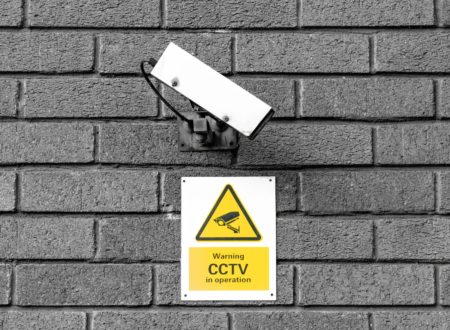
CCTV analog cameras: Older than the other two commonly installed security cameras, analog cameras run through coaxial cables and allow for constant monitoring. While these cameras feature fewer functions, they are much more secure against cyber security threats due to using analog signals instead of digital while remaining an inexpensive option.
Internet protocol cameras: Considered an advanced option for those looking for surveillance, IP cameras feature the most options a security camera can have among the three options. Typically more sophisticated in design, advanced versions of these cameras can allow for more analytical features like temperature monitoring, irregular movement detection, and more. However, these cameras are also more expensive than the other two options.
Wireless security cameras: Whereas analog and IP cameras may feature the costly process of laying down wiring, wireless cameras do not. These cameras do not necessarily feature as many functions as IP cameras but are much more flexible as a system when surveillance is needed. However, they are prone to interfere with or be affected by the technology that uses signals. Furthermore, they may weigh down a given network and are typically only found in smaller-scale implementations.
As shown, each type of camera depends on the local environment, but also what the hospital is capable of. For example, while wireless cameras might be convenient, more prominent and well-funded locations might be more likely to use IP cameras. All three, however, are subject to the restrictions of HIPAA and relevant laws.
Do surveillance cameras violate HIPAA?
It can if used or implemented improperly in accordance with state and federal laws. Hospital security cameras are constrained by the Health Insurance Portability and Accountability Act (HIPAA), meaning they must be placed and operated correctly. To be clear, HIPAA protects personally identifiable information, information in the healthcare process, and the records of each patient. Such a basis is vital because it helps lay the groundwork for how surveillance can be planned and implemented in a hospital or any medical establishment that deals with patients in general.
In following what has been established, a HIPAA violation means the exposure of such protected information through negligence, malpractice, or malicious intent. Such an act is not necessarily listed to hospitals but also health insurance providers, local doctor’s offices, and others that deal with the information. As shown above, security cameras are implemented for many reasons inside hospitals and are generally constrained by strict policies that hold staff and third parties to a high standard. Therefore, security camera installers should have at least a minor understanding of HIPAA and HIPAA violations for legal protection prior to installation. Such is essential so an installing company can define who is managing the surveillance and are able to separate themselves after the installation is complete.
Why do hospitals have cameras in the rooms?
Typically, security cameras are placed in hospital rooms where either at-risk patients are regularly staying or implemented upon receiving a patient in a dangerous state. Normally, rooms with patients that are at low or no risk of deterioration will be monitored more through machines that alert medical staff through a signal or noise, if at all. Furthermore, with exceptionally infectious patients, doctors can use cameras to communicate with a patient when they do not in-person care.
Usually, such cameras also follow specific parameters and are operated by staff that adheres to strict guidelines. As mentioned above, state laws and HIPAA outline such guidelines, which bring down hefty legal penalties when violations are committed.
Is CCTV allowed in hospital wards?
Yes, hospitals are allowed to implement CCTV into the multiple different types of wards due to them being open to the public. As mentioned above, cameras are operated by staff that follows strict guidelines that explicitly feature hefty penalties for malpractice. Furthermore, the security cameras in such areas are designed to also provide the benefits listed above, particularly protecting the staff and patients alike.
There is a slight difference between state-funded and privately-funded hospitals regarding surveillance. The former typically must abide by laws that are relevant to surveillance. At the same time, privately owned hospitals have more leeway to operate as they see fit, as long as it is within reasonable bounds.

Do hospital cameras have audio?
While it has been mentioned that doctors will use security cameras to communicate with patients, that is typically the only instance of audio capability. In all other circumstances, audio is not included in surveillance. As referenced in our post about the problems with security camera audio, each state features one, two, or all-party consent laws. This distinctly means that an establishment cannot implement audio monitoring where there is a reasonable expectation of privacy or in a place considered public without consent. Furthermore, recording audio can distinctly produce liability on the part of the hospital, which may have an adverse effect in the case of a lawsuit or investigation.
Where are security cameras in hospitals?
Security cameras can be found all around a given hospital, the number of which depends on multiple factors like age, funding, and the surrounding community. However, such places typically chosen for security cameras include:
Everyday, a wealth of foot traffic and information runs through hospitals worldwide. Each person that walks or is carried through the doors of a medical institution places their distinct faith in the doctors and nurses present. For such a reason, security measures and surveillance ideally secure such trust between the two parties and make a hospital an easy place to go for care. A1 Security Cameras can quickly help hospitals worldwide with precisely that through our security system design help service.
- Advanced camera configuration
- Management of video and audio data
- Parsing of video data on specific standards
- Video playback
These features and more are available when video management software is implemented, being offered naturally through such brands like Axis in a basic form. However, such software with more advanced features should only be implemented when security systems are more prominent in scale due to the need for excessive storage hardware and processing systems.
What security do hospitals have?
On top of surveillance, hospitals use a multitude of different options for security. These options specifically work to keep access points secure while protecting staff and patients while adhering to strict policies. Such options most hospitals implement in order to fulfill this include:
Access control: Access control is typically the combination of door locks, keycards or keys, and sensors to control where regular traffic, staff, and patients can go. This allows for an easy to implement measure when hospitals are focused on both staff and patient safety while restricting access to equipment and controlled substances.
Alarms: In hospitals, alarms are not necessarily used traditionally. Instead, they are meant to alert personnel and patients to an ongoing threat. These include fires, zones that need to be contained, malicious intruders, and events of a similar nature.
Security Turnstiles: Not as common as the other security measures on this list, turnstiles are typically more common in private hospitals. Generally, these are accompanied by security guards to limit the incoming foot traffic to legitimate patients, staff, or others based on specific parameters. Furthermore, turnstiles have proven effective in hospitals with a research wing or focus on restricting access to those with the proper authorization.
Security guards: The most common security measure, security guards are a common facet in nearly all hospitals. Not only do they provide an immediate and trained response to events that may occur, but they also provide an effective measure to direct personnel on occasions that require urgency. Furthermore, security guards are a proven measure to encourage a feeling of safety in staff and patients.
Staff training: A hospital can have the most advanced surveillance and access control systems, but it is nothing without the proper training provided to staff members. The only way to effectively make use of surveillance and other security measures is to provide staff with the appropriate training.

How can hospitals improve security?
A1 Security Cameras has previously authored a distinct guide for the available upgrades a security camera system can feature. For hospitals specifically, there are a wealth of options that can improve a security apparatus for the better. Simple improvements can thereby include:
- Clear exit marking
- Limit incoming traffic
- Make staff training easy
- Pathway indication throughout the halls
Such simple improvements can easily enhance any of the systems mentioned above and especially that of surveillance. When comparing wired vs wireless security cameras, it should also be noted that a wired security camera system is far more secure than the alternative due to being resistant to wireless hacking measures. Furthermore, hospitals can invest in security systems and staff training around information security to keep information secure.
Why is security important in healthcare?
Everyday, a wealth of foot traffic and information runs through hospitals worldwide. Each person that walks or is carried through the doors of a medical institution places their distinct faith in the doctors and nurses present. For such a reason, security measures and surveillance ideally secure such trust between the two parties and make a hospital an easy place to go for care. A1 Security Cameras can quickly help hospitals worldwide with precisely that through our security system design help service.
- Deterrence to criminal activity
- Forwarning on threats at the perimeter
- Monitoring of customer and staff vehicles
While these may seem like simple benefits, they help build trust between an established medical center and the patients that enter it. For example, when a patient comes out and sees their vehicle had been broken into, they can request the footage from the hospital when filing a police report.
How long do hospital security cameras keep footage?
Unless pressing circumstances dictate for longer, hospitals typically keep surveillance footage for 30 to 90 days. Such a length of time is a standard policy to entities like businesses, security professionals, and more alike because a crime is generally discovered quickly after it is committed in the modern age. This is to also compliment the policies already in place at hospitals and medical centers, which are meant to have strict enforcement surrounding staff behavior and the storage of controlled substances. With both surveillance and such guidelines in place, controlled substances on location and the behavior of everyone on the premises can be monitored.
Do hospitals use video management software?
Yes, along with electronic health record software, hospitals will often use video management software or VMS to help manage surveillance. Especially when there are multiple private hospitals owned by one entity, a VMS is crucial for its features and capability in handling numerous video feeds. Such features that may be included are:
- Advanced camera configuration
- Management of video and audio data
- Parsing of video data on specific standards
- Video playback
These features and more are available when video management software is implemented, being offered naturally through such brands like Axis in a basic form. However, such software with more advanced features should only be implemented when security systems are more prominent in scale due to the need for excessive storage hardware and processing systems.
What security do hospitals have?
On top of surveillance, hospitals use a multitude of different options for security. These options specifically work to keep access points secure while protecting staff and patients while adhering to strict policies. Such options most hospitals implement in order to fulfill this include:
Access control: Access control is typically the combination of door locks, keycards or keys, and sensors to control where regular traffic, staff, and patients can go. This allows for an easy to implement measure when hospitals are focused on both staff and patient safety while restricting access to equipment and controlled substances.
Alarms: In hospitals, alarms are not necessarily used traditionally. Instead, they are meant to alert personnel and patients to an ongoing threat. These include fires, zones that need to be contained, malicious intruders, and events of a similar nature.
Security Turnstiles: Not as common as the other security measures on this list, turnstiles are typically more common in private hospitals. Generally, these are accompanied by security guards to limit the incoming foot traffic to legitimate patients, staff, or others based on specific parameters. Furthermore, turnstiles have proven effective in hospitals with a research wing or focus on restricting access to those with the proper authorization.
Security guards: The most common security measure, security guards are a common facet in nearly all hospitals. Not only do they provide an immediate and trained response to events that may occur, but they also provide an effective measure to direct personnel on occasions that require urgency. Furthermore, security guards are a proven measure to encourage a feeling of safety in staff and patients.
Staff training: A hospital can have the most advanced surveillance and access control systems, but it is nothing without the proper training provided to staff members. The only way to effectively make use of surveillance and other security measures is to provide staff with the appropriate training.
How can hospitals improve security?
A1 Security Cameras has previously authored a distinct guide for the available upgrades a security camera system can feature. For hospitals specifically, there are a wealth of options that can improve a security apparatus for the better. Simple improvements can thereby include:
- Clear exit marking
- Limit incoming traffic
- Make staff training easy
- Pathway indication throughout the halls
Such simple improvements can easily enhance any of the systems mentioned above and especially that of surveillance. When comparing wired vs wireless security cameras, it should also be noted that a wired security camera system is far more secure than the alternative due to being resistant to wireless hacking measures. Furthermore, hospitals can invest in security systems and staff training around information security to keep information secure.
Why is security important in healthcare?
Everyday, a wealth of foot traffic and information runs through hospitals worldwide. Each person that walks or is carried through the doors of a medical institution places their distinct faith in the doctors and nurses present. For such a reason, security measures and surveillance ideally secure such trust between the two parties and make a hospital an easy place to go for care. A1 Security Cameras can quickly help hospitals worldwide with precisely that through our security system design help service.
- Controlled substance storage
- Emergency rooms
- Equipment storage
- Hallways
- Information and file storage
- Patient rooms
- Points of entry
- Waiting rooms
Hospital security cameras usually are meant to help monitor and protect patients, staff, and anything of value in the vicinity. Anything of value includes equipment and substances like medicine or narcotics that can be abused or sold elsewhere. Furthermore, while references patients might be assumed to be adults, it also applies to babies and children. Since some hospitals have multiple infants present on the premises at any given time, surveillance helps keep track of them. Also, avoiding mistakes like delivery to the wrong parents or crimes like child abduction.
Where else are security cameras in hospitals?
Something that should be mentioned is the use of advantages of outdoor cameras to monitor parking lots and the surrounding environment around hospitals. Due to the inevitability that a hospital will receive patients that require overnight stays over a prolonged period and a significant amount of traffic from day to day, there will need to be security cameras placed on the external walls and, in some cases, around the premises. Benefits hospitals gain from such surveillance include:
- Deterrence to criminal activity
- Forwarning on threats at the perimeter
- Monitoring of customer and staff vehicles
While these may seem like simple benefits, they help build trust between an established medical center and the patients that enter it. For example, when a patient comes out and sees their vehicle had been broken into, they can request the footage from the hospital when filing a police report.
How long do hospital security cameras keep footage?
Unless pressing circumstances dictate for longer, hospitals typically keep surveillance footage for 30 to 90 days. Such a length of time is a standard policy to entities like businesses, security professionals, and more alike because a crime is generally discovered quickly after it is committed in the modern age. This is to also compliment the policies already in place at hospitals and medical centers, which are meant to have strict enforcement surrounding staff behavior and the storage of controlled substances. With both surveillance and such guidelines in place, controlled substances on location and the behavior of everyone on the premises can be monitored.
Do hospitals use video management software?
Yes, along with electronic health record software, hospitals will often use video management software or VMS to help manage surveillance. Especially when there are multiple private hospitals owned by one entity, a VMS is crucial for its features and capability in handling numerous video feeds. Such features that may be included are:
- Advanced camera configuration
- Management of video and audio data
- Parsing of video data on specific standards
- Video playback
These features and more are available when video management software is implemented, being offered naturally through such brands like Axis in a basic form. However, such software with more advanced features should only be implemented when security systems are more prominent in scale due to the need for excessive storage hardware and processing systems.
What security do hospitals have?
On top of surveillance, hospitals use a multitude of different options for security. These options specifically work to keep access points secure while protecting staff and patients while adhering to strict policies. Such options most hospitals implement in order to fulfill this include:
Access control: Access control is typically the combination of door locks, keycards or keys, and sensors to control where regular traffic, staff, and patients can go. This allows for an easy to implement measure when hospitals are focused on both staff and patient safety while restricting access to equipment and controlled substances.
Alarms: In hospitals, alarms are not necessarily used traditionally. Instead, they are meant to alert personnel and patients to an ongoing threat. These include fires, zones that need to be contained, malicious intruders, and events of a similar nature.
Security Turnstiles: Not as common as the other security measures on this list, turnstiles are typically more common in private hospitals. Generally, these are accompanied by security guards to limit the incoming foot traffic to legitimate patients, staff, or others based on specific parameters. Furthermore, turnstiles have proven effective in hospitals with a research wing or focus on restricting access to those with the proper authorization.
Security guards: The most common security measure, security guards are a common facet in nearly all hospitals. Not only do they provide an immediate and trained response to events that may occur, but they also provide an effective measure to direct personnel on occasions that require urgency. Furthermore, security guards are a proven measure to encourage a feeling of safety in staff and patients.
Staff training: A hospital can have the most advanced surveillance and access control systems, but it is nothing without the proper training provided to staff members. The only way to effectively make use of surveillance and other security measures is to provide staff with the appropriate training.
How can hospitals improve security?
A1 Security Cameras has previously authored a distinct guide for the available upgrades a security camera system can feature. For hospitals specifically, there are a wealth of options that can improve a security apparatus for the better. Simple improvements can thereby include:
- Clear exit marking
- Limit incoming traffic
- Make staff training easy
- Pathway indication throughout the halls
Such simple improvements can easily enhance any of the systems mentioned above and especially that of surveillance. When comparing wired vs wireless security cameras, it should also be noted that a wired security camera system is far more secure than the alternative due to being resistant to wireless hacking measures. Furthermore, hospitals can invest in security systems and staff training around information security to keep information secure.
Why is security important in healthcare?
Everyday, a wealth of foot traffic and information runs through hospitals worldwide. Each person that walks or is carried through the doors of a medical institution places their distinct faith in the doctors and nurses present. For such a reason, security measures and surveillance ideally secure such trust between the two parties and make a hospital an easy place to go for care. A1 Security Cameras can quickly help hospitals worldwide with precisely that through our security system design help service.