
 By
By 
As winter weather continues, many business and estate owners begin to wonder which surveillance systems will best stand up to inclement weather. Snow, freezing rain and frigid temperatures can negatively impact security camera systems that are not formatted to withstand winter conditions, so it is very important to take local weather factors into account when selecting a security camera system for a home camera systems or business camera systems. Many of the top security camera manufacturers offer products that meet these needs and can help keep a property safe regardless of temperature or precipitation.
To rate the effectiveness of their products, many manufacturers use the Ingress Protection (IP) enclosure rating system, which is comprised of two digits between zero (not protected) and six (fully protected). The first number represents the product’s protection against solid particles like dust and the second represents the product’s protection against liquids like rain water. A score of IP66 reflects a product that is completely weatherproof, while a score of IP00 is considered to have virtually no protection.
The Importance of Severe Weather Cameras for Surveillance
Severe weather conditions can pose a significant threat to public safety, property, and critical infrastructure. Tornadoes, hurricanes, severe thunderstorms, and flash floods can cause extensive damage and result in loss of life. In such situations, it’s crucial to have an effective surveillance system in place to monitor and respond to severe weather events.
Severe weather security cameras for surveillance play a crucial role in providing real-time information about the severity and location of weather events. These cameras are specifically designed to withstand extreme weather conditions, including high winds, heavy rain, and snow, and are therefore able to provide continuous surveillance during severe weather events.
The benefits of severe weather cameras for surveillance include:
Early Warning: Severe weather cameras can detect the early signs of severe weather events, providing early warning to authorities and the public. This early warning can help reduce the risk of property damage, injury, and loss of life.
Real-Time Monitoring: Severe weather cameras provide real-time monitoring of severe weather events. This information can be used to guide emergency response teams, evacuate affected areas, and provide critical information to the public.
Enhanced Situational Awareness: Severe weather cameras can help improve situational awareness during severe weather events. This information can be used to make informed decisions regarding emergency response and resource allocation.
Remote Monitoring: Severe weather cameras can be remotely monitored from a centralized location, allowing authorities to monitor multiple locations simultaneously. This improves the efficiency of emergency response and reduces response times.
Post-Event Analysis: Severe weather cameras can provide valuable data for post-event analysis, allowing authorities to evaluate their response and identify areas for improvement.
Overall, severe weather security cameras for surveillance play a critical role in protecting public safety and property during severe weather events. By providing early warning, real-time monitoring, and enhanced situational awareness, these cameras can help authorities respond effectively to severe weather events, reduce the risk of property damage and injury, and save lives.
Factors to Consider When Choosing a Severe Weather Camera
Choosing the right severe weather security camera for surveillance requires careful consideration of several factors. Here are some key factors to consider when choosing a severe weather camera:
Weatherproofing: The camera should be weatherproof and designed to withstand harsh weather conditions, including high winds, heavy rain, snow, and extreme temperatures. Look for cameras with an IP rating of at least 65 or higher, which ensures protection against water and dust.
Image Quality: The image quality of the camera is crucial, especially during severe weather events where visibility can be reduced. Look for cameras with high resolution and low-light capabilities to ensure clear images even in low light conditions.
Durability: The camera should be built to last and withstand extreme weather conditions. Look for cameras made of high-quality materials that can withstand wind, rain, and snow.
Pan-Tilt-Zoom (PTZ) Functionality: PTZ cameras can provide better coverage of a wider area, and their ability to zoom in and out can provide more detail during severe weather events. Look for cameras with PTZ functionality if you need to monitor a large area.
Night Vision: Security cameras with night vision capabilities can provide clear images even in low-light conditions, making them ideal for surveillance during severe weather events.
Remote Access: The camera should have remote access capabilities, allowing you to monitor the camera’s feed from a remote location.
Ease of Installation: The camera should be easy to install and set up, with clear instructions and user-friendly software.
Cost: The cost of the camera should be reasonable and within your budget. Keep in mind that higher-quality cameras will often come at a higher price, but they may be worth the investment in the long run.
By considering these factors when choosing a severe weather security camera for surveillance, you can ensure that you select a camera that will provide reliable and effective surveillance during severe weather events.
Which security camera is best for cold weather?
When choosing a security camera for cold weather, it’s important to consider models designed to withstand low temperatures and harsh weather conditions. Here are some factors to look for:
Temperature Range: Choose a camera with an operating temperature range suitable for your specific cold weather conditions. Look for cameras with lower temperature limits if you expect extremely cold temperatures.
Weatherproofing: Ensure that the camera has a high IP (Ingress Protection) rating, indicating its resistance to dust and water. Look for cameras with an IP66 or higher rating for reliable performance in various weather conditions.
Heater and Defroster: Some security cameras come equipped with built-in heaters and defrosters to prevent condensation and frost buildup on the lens during cold weather. This feature is particularly useful in areas with frequent temperature fluctuations.
Metal Housing: Cameras with metal housings are generally more durable and better equipped to handle extreme temperatures than those with plastic housings.
Power Source: Consider the power source for the camera. Some models are designed to work with PoE (Power over Ethernet), which can simplify installation and reduce the risk of freezing batteries in extremely cold conditions.
Wide Operating Temperature Range: Look for cameras specifically labeled as “cold weather” or “arctic” models, as they often have a wider operating temperature range compared to standard cameras.
Brand Reputation: Choose a reputable brand with a track record for producing reliable and durable security cameras. Read customer reviews and testimonials to gauge real-world performance.
Here are a few popular brands that offer security cameras suitable for cold weather conditions:
- Hikvision
- Axis Communications
- Dahua Technology
- Lorex
- Reolink
Always check the specifications and features of the specific camera model you’re interested in to ensure it meets your cold weather requirements. Additionally, consult with the manufacturer or retailer for specific recommendations based on your location and climate.
Best Severe Weather Cameras for Surveillance
Weatherproof Security Cameras
Weatherproof security cameras are designed to withstand extreme weather conditions, making them ideal for surveillance during severe weather events. These cameras are often made of durable materials such as metal or polycarbonate and have an IP rating of at least 65 to protect against water and dust.

Outdoor Security Cameras
Outdoor security cameras with night vision capabilities can provide clear images even in low-light conditions, making them ideal for surveillance during severe weather events. These cameras often have infrared sensors that detect light even in complete darkness.
Security Cameras with High Resolution
Security cameras with high resolution provide clear and detailed images, making them ideal for surveillance during severe weather events. Look for cameras with at least 1080p resolution or higher for optimal image quality.

Pan-Tilt-Zoom (PTZ) Security Cameras
PTZ security cameras can provide better coverage of a wider area and their ability to zoom in and out can provide more detail during severe weather events. These cameras are often used for surveillance of large areas such as parking lots, stadiums, and airports.

Dome Security Cameras
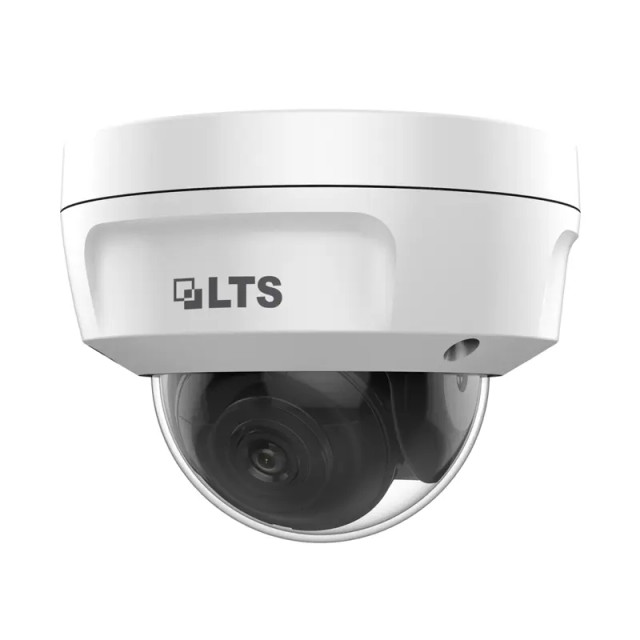
Dome security cameras are designed to be weatherproof and provide a 360-degree view, making them ideal for surveillance during severe weather events. These cameras often have high-resolution capabilities and can be used for both indoor and outdoor surveillance.

Best extreme cold weather security camera
Some examples of top severe weather cameras for surveillance include:
Axis Q6075-E: This PTZ camera has a weatherproof design and features 40x optical zoom, 1080p resolution, and infrared sensors for night vision.
Hikvision DS-2DF6236V-AEL: This outdoor camera has a weatherproof design, 2-megapixel resolution, and infrared sensors for night vision.
Bosch FLEXIDOME IP outdoor 4000i Series: This dome camera is designed for outdoor use and features a weatherproof design, 5-megapixel resolution, and a 360-degree view.
- Vivotek IB9387-LPR: This weatherproof camera is designed for license plate recognition and features 5-megapixel resolution, infrared sensors for night vision, and PTZ functionality.
The best severe weather camera for surveillance will depend on your specific needs and the area you need to monitor. By considering factors such as weatherproofing, image quality, and functionality, you can select a camera that will provide reliable and effective surveillance during severe weather events.
ACTi Cameras

Most outdoor dome security cameras are both weather and vandal proof, but ACTi‘s outdoor models – TCM-7411 and TCM-7011 – take weather protection to the next level. With a rating of IP66, ACTi dome cameras can be used indoors, outdoors, during the day, at night, and in both hot and cold temperatures. The camera is extremely air-tight against dust and water particles, and can even be submerged under water for unlimited periods of time without losing functionality.
An addition to being a great camera for extreme weather, the ACTi outdoor models provide great surveillance. With 1.4 megapixel resolution, dual streaming, a wide dynamic range for video quality enhancement and two-way audio capabilities, ACTi cameras offer an extremely high level of protection without breaking the bank.
Arecont Vision Cameras
Arecont Vision designed its AV5155DN outdoor-ready IP security camera specifically to protect against vandalism and wet weather. The camera’s IP66 rating and high processing speeds make it a great option for business owners who want to monitor the outdoor premises of their property, including parking lots and store entrances, as attention to detail is especially important in these areas. The camera uses a five-megapixel resolution that can capture up to nine frames a second, which allows users to see up to 15 times more detail than standard video graphics array (VGA) cameras.
The Arecont Vision AV05CLD-200 includes an integrated infrared-cut filter that allows the camera to change between full color and black and white imagery depending on light levels. This model can also function well at night when it is coupled with a separate infrared light source. Arecont Vision also integrated Power over Ethernet capabilities and H.264 video compression to help reduce the product’s strain on bandwidth and promote enhanced image quality.
Geovision Cameras
Geovision cold weather security cameras are a great option for those who live or work in areas of the country that get extremely cold. To achieve and maintain an IP66 rating, Geovision integrates a heater and blowing assembly into the camera’s housing device that allows it to function in temperatures as low as -40 degrees Fahrenheit. These cameras maintain their 1280 x 1024 image resolution in almost any weather condition, which allows users to benefit from crisp, clear pictures year round.
Many people who choose Geovision security cameras place the equipment on cottages or second homes in the northern part of the country and use the security system to monitor the property when they are not around. Geovision utilizes a 1.3 megapixel lens, dual streaming, two-way audio capabilities and easy mobile device integration to offer one of the best products available on the market.
FAQ for Severe Weather Cameras
What is an IP rating?
An IP rating, or Ingress Protection rating, is a standard used to indicate the level of protection a device has against solid objects and liquids. The rating is represented by two digits and sometimes a letter, which indicate the level of protection against dust and water respectively.
The first digit in the IP rating refers to protection against solid objects, such as dust and debris. The rating ranges from 0 to 6, with 0 indicating no protection and 6 indicating complete protection against dust.
Details: IK and IP Ingress Protection Standards – IP66 – IP67 Explained
What does the IP rating mean?
The first digit in the IP rating refers to protection against solid objects, such as dust and debris. The rating ranges from 0 to 6, with 0 indicating no protection and 6 indicating complete protection against dust.
The second digit in the IP rating refers to protection against liquids, such as water. The rating ranges from 0 to 9, with 0 indicating no protection and 9 indicating complete protection against water.
For example, an IP rating of 65 would indicate that a device is protected against dust to a high degree (level 6) and protected against low-pressure water jets from any direction (level 5).
IP ratings are important for electronic devices, especially those that are used outdoors, because they need to withstand various weather conditions. The higher the IP rating, the more protection the device has against dust, moisture, and water. This is important for devices such as severe weather cameras, which need to function properly even in harsh weather conditions.
Difference between Waterproof and Weatherproof
Waterproof and weatherproof are two terms that are often used interchangeably, but there is a difference between them.
Waterproof refers to a material or product that is completely impervious to water and will not allow any water to penetrate it, even under pressure or immersion. This means that a waterproof product can be submerged in water and still function properly without any damage. Examples of waterproof products include diving watches and waterproof phone cases.
Weatherproof, on the other hand, refers to a material or product that is designed to withstand various weather conditions, including rain, snow, and wind, without getting damaged. A weatherproof product is not completely impervious to water and may allow some water to penetrate it, but it will still function properly in wet conditions. Examples of weatherproof products include outdoor furniture and weatherproof cameras.
Does cold weather affect security cameras?
Yes, cold weather can affect security cameras, especially if they are not designed to operate in low temperatures. Extremely cold temperatures can cause the camera’s internal components to malfunction or stop working altogether. Some of the problems that can occur include:
Reduced battery life: Cold temperatures can cause the camera’s battery to drain faster than normal, reducing the camera’s operating time.
Reduced image quality: Cold temperatures can cause condensation to form on the camera’s lens, which can blur or distort the image.
Camera freezing: Extremely cold temperatures can cause the camera’s internal components to freeze, which can cause the camera to stop working altogether.
To avoid these problems, it is important to choose a security camera that is designed to operate in cold weather conditions. Look for cameras with an operating temperature range that includes the expected low temperatures in your area. Additionally, you can take steps to protect the camera from the cold, such as installing a camera housing or covering the camera with a thermal blanket. Finally, make sure the camera is installed properly and securely to prevent it from being damaged by harsh weather conditions.