
 By
By 
Camera systems can play a significant role in improving school safety by enhancing surveillance, monitoring, and response capabilities. Here are some ways in which camera systems can contribute to school safety:
Have other schools successfully implemented camera systems for safety?
The purpose of implementing camera systems in schools is primarily to enhance safety and security for students, staff, and visitors. These systems serve several key purposes:
Deterrence of Criminal Activity: The presence of visible security cameras can act as a deterrent to potential threats, vandalism, bullying, and other criminal activities. Knowing they are being monitored, individuals are less likely to engage in misconduct.
Identification and Documentation: Cameras can capture and record events in real-time, providing valuable visual evidence in case of incidents such as fights, thefts, or trespassing. This documentation can aid in investigations and disciplinary actions.
Monitoring Perimeters: Cameras strategically placed around the school’s entrances, exits, and perimeter can help monitor who enters and exits the premises. This helps prevent unauthorized access and ensures that only authorized personnel and visitors are on campus.
Response to Emergencies: In the event of emergencies, such as fires, medical incidents, or security threats, camera systems can provide critical information to first responders, allowing them to assess the situation more effectively and respond appropriately.
Student and Staff Safety: Camera systems can help ensure the safety of students and staff within the school environment by monitoring hallways, common areas, and other spaces, making it easier to identify and address potential safety concerns.
Prevent Bullying and Harassment: Cameras can be used to monitor areas where bullying and harassment may occur, such as hallways or locker rooms. This can promote a safer and more respectful school environment.
Visitor Verification: Security cameras can assist with visitor management by allowing staff to verify the identity of visitors before granting access to the school premises.
Evidence in Legal Cases: In situations involving disputes, accidents, or legal issues, camera footage can serve as valuable evidence to establish facts and timelines.
Parental and Community Peace of Mind: Parents and the community often appreciate the presence of security cameras as it provides a sense of reassurance and transparency regarding the safety of students.
Data for Continuous Improvement: Schools can use camera footage for assessing daily operations, identifying areas of improvement, and optimizing security protocols.
It’s important to note that while camera systems can be an effective tool for enhancing safety and security, their implementation should be carried out thoughtfully, taking into consideration privacy concerns and legal regulations. Additionally, clear policies and procedures should be in place to govern the use of surveillance cameras within educational institutions to strike a balance between safety and privacy.
What is the purpose of implementing camera systems in schools?
The purpose of implementing camera systems in schools is to enhance safety, security, and overall student well-being. Here are some specific purposes:
Deterrence of Misconduct: The presence of security cameras can act as a deterrent to various forms of misconduct, including vandalism, theft, bullying, and other disruptive behaviors. Knowing they are being monitored, individuals are less likely to engage in such activities.
Incident Documentation: Cameras can record events in real-time, providing visual evidence in the event of incidents such as fights, accidents, or property damage. This documentation can be crucial for investigations, disciplinary actions, and legal purposes.
Monitoring Perimeters: Cameras placed at entrances, exits, and the school’s perimeter help monitor who enters and exits the campus. This can prevent unauthorized access and ensure that only authorized individuals are on school grounds.
Emergency Response: In emergencies, such as fires, medical incidents, or security threats, camera systems can provide valuable information to first responders. This aids in assessing the situation and taking appropriate action.
Enhanced School Safety: By monitoring hallways, common areas, and other spaces, cameras contribute to student and staff safety by identifying and addressing potential security concerns promptly.
Preventing Bullying and Harassment: Cameras in key locations, such as hallways and common areas, can deter bullying and harassment and provide evidence to address such issues effectively.
Visitor Management: Security cameras can help verify the identity of visitors before granting access to the school premises, enhancing overall security.
Supporting Legal Cases: Camera footage can serve as crucial evidence in legal cases involving disputes, accidents, or criminal activities that occur on school grounds.
Data for Improvement: Schools can use camera footage to assess daily operations, identify areas that need improvement, and optimize security protocols and procedures.
Parental and Community Reassurance: Parents and the community often find reassurance in the presence of security cameras, knowing that measures are in place to protect students and maintain a safe school environment.
It’s important to emphasize that the implementation of camera systems should be accompanied by clear policies and procedures to ensure responsible use and to address privacy concerns. Balancing the need for safety and security with the respect for privacy is essential in school environments.
What types of cameras are suitable for school environments?
In school environments, the choice of cameras should consider the specific needs, locations, and budgets of the institution. Here are several types of cameras suitable for school environments:
Fixed Dome Cameras: Fixed dome cameras are compact and discreet, making them suitable for indoor use. They are often used in hallways, classrooms, and common areas. Their dome-shaped design also makes it difficult for vandals to tamper with them.
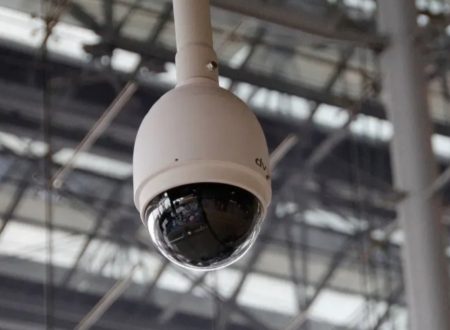
PTZ (Pan-Tilt-Zoom) Cameras: PTZ cameras are versatile and can be controlled remotely to pan, tilt, and zoom to specific areas of interest. They are suitable for large outdoor areas, such as sports fields, parking lots, and entrances, as they can cover a wide range of angles.
Bullet Cameras: Bullet cameras are typically used for outdoor surveillance. They have a cylindrical, elongated shape and are weatherproof, making them suitable for monitoring exterior perimeters, parking lots, and building entrances.
Box Cameras: Box cameras are larger and more noticeable, often used when a visible deterrent is required. They are typically placed in prominent areas to deter potential threats. Their size allows for interchangeable lenses, providing flexibility in zoom and focus.
Dome Cameras: Dome cameras are a smaller version of fixed dome cameras and are suitable for discreet indoor surveillance. They are often used in classrooms, libraries, or administrative offices.
360-Degree Cameras: These cameras offer a panoramic cameras view of a location and are suitable for monitoring large areas like gymnasiums, auditoriums, or open spaces where a wide field of view is essential.
Wireless Cameras: Wireless cameras eliminate the need for extensive cabling and are suitable for temporary or flexible surveillance needs. They can be placed in areas where it’s challenging to run wires, such as temporary classrooms or outdoor events.
Covert Cameras: Covert cameras are designed to be inconspicuous and are used for discreet surveillance. They can resemble everyday objects like smoke detectors or clocks, making them suitable for areas where overt cameras might not be appropriate.
License Plate Recognition (LPR) Cameras: LPR cameras are designed to capture and recognize license plate numbers. They are commonly used in school parking lots for security and visitor management purposes.
Infrared (IR) Cameras: IR cameras have built-in infrared illuminators that allow them to capture clear images in low-light or nighttime conditions. They are suitable for outdoor areas where lighting might be limited.
When choosing cameras for school environments, it’s essential to consider factors such as image quality, resolution, low-light performance, weather resistance, and the ability to integrate with the school’s overall security system. Additionally, privacy concerns and legal regulations should be taken into account when installing and using surveillance cameras on school premises.
Where should cameras be placed within the school?
The placement of cameras within a school should be strategic and carefully considered to maximize security and surveillance coverage while respecting privacy and legal regulations. Here are key areas within a school where cameras should be considered for placement:
Entrances and Exits: Cameras should be positioned at all main entrances and exits to monitor who enters and exits the school premises. This includes both pedestrian and vehicular entrances.
Hallways: Hallways are high-traffic areas, and cameras should be installed to monitor movement and activities in these spaces. They can deter incidents like fights and vandalism.
Common Areas: Cameras in common areas such as cafeterias, gyms, libraries, and student lounges can help monitor large gatherings and ensure the safety of students during school events.
Classrooms: While cameras in classrooms can be a contentious issue due to privacy concerns, some schools may choose to have cameras in special education classrooms or other areas where incidents may occur.
Stairwells: Stairwells can be areas where students might be unsupervised for short periods. Cameras can help monitor these areas for safety.
Parking Lots: Cameras in parking lots can enhance security by monitoring vehicles and individuals coming and going. License plate recognition cameras can be useful here.
Perimeter: The exterior of the school building, including the perimeter fencing, should be monitored to prevent unauthorized access and to detect any suspicious activity outside the school.
Playgrounds and Sports Fields: Outdoor areas used for recreational activities should be monitored to ensure the safety of students and to prevent vandalism or unauthorized access.
Administrative Offices: Cameras in administrative areas can help ensure the security of sensitive information and deter unauthorized access to important records.
Emergency Exits: While not ideal for continuous monitoring, cameras near emergency exits can help ensure these exits are not misused or tampered with except during emergencies.
Access Control Points: Cameras should be positioned near access control points where visitors are checked in and verified before entering the school.
Remote and Isolated Areas: Any remote or isolated areas on the school premises, such as storage rooms, utility areas, or maintenance areas, should also be monitored to prevent unauthorized access and theft.
When determining the exact placement of cameras, schools should conduct a security assessment to identify high-risk areas and tailor camera placement to their specific needs. Additionally, schools must adhere to privacy laws and regulations and communicate clearly with students, staff, and visitors about the presence and purpose of surveillance cameras to respect their privacy rights and foster a sense of transparency and trust.
For professional support, use the form, 866-441-2288 or mail sales@a1securitycameras.com.
How can camera systems help deter potential threats?
Camera systems can play a significant role in deterring potential threats in various environments, including schools. Here’s how camera systems can help deter potential threats:
Visible Deterrence: The mere presence of security cameras can act as a deterrent. When individuals know they are being monitored, they are less likely to engage in criminal or threatening behavior. Visible cameras signal to potential wrongdoers that their actions may be captured on video, discouraging them from attempting anything illicit.
Recorded Evidence: Cameras record activities in real-time, creating a visual record of events. The knowledge that incidents are being recorded can discourage individuals from engaging in threatening or criminal behavior, as they understand that their actions could lead to identification, apprehension, and legal consequences.
Monitoring High-Risk Areas: Cameras are often strategically placed in high-risk or sensitive areas of a facility, such as entrances, exits, parking lots, and hallways. This targeted placement helps deter threats where they are most likely to occur, such as unauthorized access or loitering.
Preventing Vandalism: Cameras can deter acts of vandalism, graffiti, and property damage. Vandalism is often an impulsive act, and the presence of cameras can dissuade potential vandals from damaging school property.
Bullying and Harassment Prevention: In schools, cameras in common areas, hallways, and playgrounds can deter bullying and harassment by creating a sense of accountability among students. The knowledge that their actions are being monitored can encourage respectful behavior.
Reducing School Intrusions: Visible cameras can discourage unauthorized individuals from entering school premises. This is particularly important for ensuring the safety of students and staff.
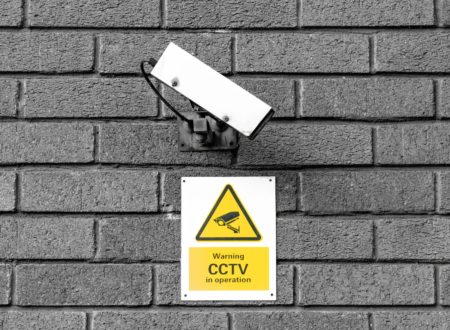
Enhanced Security Measures: In addition to cameras, the presence of signage indicating the use of surveillance systems can further reinforce the message that security measures are in place, discouraging potential threats.
Quick Identification: In the event that a threat does occur, security personnel or law enforcement can quickly identify the individual responsible using camera footage. This not only aids in apprehending the threat but also prevents them from causing further harm.
Community Awareness: In some cases, schools may involve the community in their security efforts by sharing information about their camera systems. This can create a community watch mentality where everyone plays a role in deterring threats.
What is the role of monitoring and surveillance in school safety?
Monitoring and surveillance play a crucial role in enhancing school safety by providing real-time oversight, early threat detection, and a means to respond effectively to security incidents. Here’s a breakdown of the role of monitoring and surveillance in school safety:
Real-time Oversight: Surveillance cameras allow for continuous monitoring of various areas within and around the school premises. This real-time oversight serves as a proactive measure to identify potential issues before they escalate into security threats.
Deterrence: The presence of visible surveillance cameras acts as a deterrent to misconduct, vandalism, bullying, and other disruptive behaviors. Knowing they are being watched, individuals are less likely to engage in such activities, contributing to a safer school environment.
Immediate Response: Surveillance systems provide the means to detect and respond to security incidents promptly. Security personnel can monitor live camera feeds and take immediate action when suspicious or threatening behavior is observed. This could involve alerting on-site staff, contacting law enforcement, or initiating emergency procedures.
Identification of Threats: Cameras capture valuable visual evidence in case of incidents such as fights, thefts, trespassing, or unauthorized access. This recorded footage can aid in identifying individuals involved and provide essential details for investigations and disciplinary actions.
Emergency Management: In the event of emergencies, such as fires, medical incidents, or security threats, surveillance cameras can provide critical information to first responders and school officials. This data helps them assess the situation accurately and take appropriate actions to mitigate risks.
Visitor Verification: Surveillance systems can be integrated with access control systems to verify the identity of visitors before granting access to the school premises. This helps ensure that only authorized individuals are allowed entry.
Documentation for Legal and Administrative Purposes: Recorded video footage serves as objective documentation of events, which can be valuable in legal cases, dispute resolution, or administrative investigations. It provides an unbiased account of incidents and can help schools make informed decisions.
Continuous Monitoring: Surveillance systems operate 24/7, providing around-the-clock monitoring even when the school is not in session. This continuous vigilance helps deter break-ins, vandalism, and other incidents that might occur during non-school hours.
Data for Analysis and Improvement: Schools can use surveillance data to assess the effectiveness of security measures, identify patterns or trends in incidents, and make informed decisions to improve overall safety protocols.
Community Reassurance: Parents, students, and the community often find reassurance in knowing that surveillance systems are in place to protect students and staff. It fosters a sense of security and trust in the school environment.
To ensure the responsible use of monitoring and surveillance systems in schools, it’s essential for educational institutions to have clear policies and procedures in place. These policies should address privacy concerns, define who has access to camera feeds, and establish guidelines for data retention and dissemination. Additionally, staff should receive proper training on the use of surveillance equipment and protocols for responding to security incidents.
How are camera feeds stored and secured?
The storage and security of camera feeds are critical aspects of maintaining the integrity of a surveillance system and ensuring that recorded footage is protected against unauthorized access or tampering. Here are common methods and practices for storing and securing camera feeds:
Dedicated Video Storage Devices: Camera feeds are typically stored on dedicated Network Video Recorders (NVRs) or Digital Video Recorders (DVRs). These devices are designed to handle the storage and management of video data. NVRs are used for IP cameras, while DVRs are used for analog cameras.
Cloud-Based Storage: Some schools choose to store camera feeds in the cloud, utilizing secure and scalable cloud storage services. This option offers flexibility and allows authorized users to access footage remotely.
Redundancy: To prevent data loss, surveillance systems often use redundant storage solutions. This can involve mirroring data on multiple drives or automatically backing up footage to a secondary storage device or off-site location.
Data Encryption: Camera feeds and recorded video data should be encrypted both in transit and at rest to protect against interception and unauthorized access. Encryption ensures that even if someone gains access to the storage device, they cannot view the footage without the proper decryption keys.
User Authentication: Access to camera feeds and recorded footage should be restricted to authorized personnel only. User authentication methods such as strong passwords, multi-factor authentication (MFA), and role-based access control should be implemented to control who can access the data.
Access Control Policies: Establish clear access control policies and procedures to govern who can access the surveillance system. Regularly review and update access privileges based on personnel changes or security requirements.
Physical Security: Ensure that the physical storage devices (NVRs, DVRs) are located in a secure area with restricted access. These devices should be protected against theft or tampering.
Logging and Auditing: Implement logging and auditing mechanisms to track user activities related to camera feeds and recorded data. This helps monitor for any suspicious or unauthorized access attempts.
Regular Software Updates: Keep the surveillance system’s software, firmware, and security patches up to date to address vulnerabilities and maintain system integrity.
Data Retention Policies: Define clear data retention policies that specify how long video footage will be stored. These policies should comply with legal requirements and align with the school’s security objectives.
Off-Site Backups: Create off-site backups of critical video footage to safeguard against data loss in the event of physical damage or disasters affecting the primary storage location.
Firewalls and Network Security: Ensure that the network infrastructure connecting cameras, storage devices, and monitoring stations is secured with firewalls, intrusion detection systems, and other network security measures.
Regular Maintenance: Perform routine maintenance on storage devices and cameras to prevent hardware failures or data corruption.
Data Disposal: Properly dispose of recorded data when it reaches the end of its retention period. Securely erase or destroy data to prevent unauthorized access.
By implementing these practices and considering data security as a priority, schools can better protect their camera feeds and ensure that recorded video data remains confidential, reliable, and accessible when needed for security or investigative purposes.
What is the cost of implementing and maintaining camera systems?
The cost of implementing and maintaining camera systems in a school can vary widely depending on various factors, including the size of the facility, the complexity of the system, the quality of cameras and equipment, and the ongoing maintenance and monitoring requirements. Here are some cost considerations for implementing and maintaining camera systems:
- Initial Installation Costs:
- Cameras: The cost of the cameras themselves can vary significantly based on their type, resolution, and features. Basic cameras may cost around $100 to $300 each, while more advanced models can range from $500 to $1,500 or more.
- Network Video Recorders (NVRs) or Digital Video Recorders (DVRs): These devices store and manage video data and can range from a few hundred to several thousand dollars.
- Cabling and Wiring: Costs for cables, wiring, and installation labor can vary based on the complexity of the installation, distance between cameras and storage devices, and whether the school uses wired or wireless cameras.
- Power Supply: Depending on camera types and locations, you may need to factor in the cost of power supply equipment or PoE (Power over Ethernet) switches.
- Mounting Hardware: Mounts and brackets for camera installation can add to the overall cost.
- Additional Equipment:
- Network infrastructure upgrades: If the existing network infrastructure is insufficient to support IP cameras, it may require upgrades, such as switches, routers, and network cabling.
- Storage Expansion: As the number of cameras and data retention requirements increase, additional storage may be needed, which can add to the costs.
- Software and Licensing:
- Video management software (VMS) licenses: Depending on the VMS chosen, licensing costs can vary based on the number of cameras and features required.
- Video analytics and integration: If advanced video analytics or integration with other security systems (access control, alarms, etc.) is desired, additional software costs may apply.
- Maintenance and Support:
- Routine maintenance: This includes regular system checks, software updates, and camera cleaning.
- Technical support: Subscription fees or contracts for technical support and troubleshooting services.
- Equipment replacement: Over time, cameras and storage devices may need to be replaced due to wear and tear.
- Monitoring and Personnel:
- Hiring and training security personnel for monitoring camera feeds and responding to incidents.
- Costs associated with central monitoring stations, if applicable.
- Data Storage Costs:
- Costs for data storage, including cloud-based storage, if utilized.
- Legal and Regulatory Compliance:
- Costs associated with ensuring compliance with privacy and data protection regulations, which may require additional measures such as encryption and data access controls.
- Integration with Existing Systems:
- Integration costs with other security systems or access control systems if needed.
- Upgrades and Expansion:
- Over time, schools may choose to upgrade or expand their camera systems to meet changing security needs, which will incur additional costs.
Are there any legal and regulatory requirements to consider?
Yes, there are several legal and regulatory requirements that schools must consider when implementing and operating camera systems. These requirements are in place to protect privacy rights, ensure responsible use of surveillance technology, and maintain compliance with applicable laws. Here are some key legal and regulatory considerations for camera systems in schools:
Privacy Laws: Schools must comply with federal, state, and local privacy laws that govern the collection, use, and storage of personal information, including video footage. Key privacy laws in the United States include the Family Educational Rights and Privacy Act (FERPA) and the Children’s Online Privacy Protection Act (COPPA).
Consent and Notification: Depending on jurisdiction and specific circumstances, schools may be required to obtain consent from individuals (such as students or staff) for video surveillance. Additionally, schools must provide clear notifications regarding the presence and purpose of surveillance cameras.
Data Retention Policies: Schools must establish clear data retention policies that outline how long video footage will be stored and when it will be deleted. These policies should comply with applicable laws and regulations.
Access Control: Access to camera feeds and recorded video data should be restricted to authorized personnel only. Schools must implement access controls, user authentication, and role-based access policies to ensure compliance.
Data Security: Schools are responsible for securing video data against unauthorized access, tampering, or breaches. Implementing encryption, network security measures, and physical security of storage devices is crucial.
Video Analytics and Biometrics: If schools employ advanced video analytics or biometric recognition technologies (such as facial recognition), they may be subject to additional legal requirements and restrictions.
Camera Placement: The placement of cameras should adhere to applicable laws and regulations. For example, cameras should not be positioned in areas where individuals have a reasonable expectation of privacy, such as restrooms or changing rooms.
Notification Signs: Schools may be required to display signs indicating the presence of surveillance cameras in prominent locations. The content and language of these signs should comply with local laws.
Video Footage Requests: Schools may receive requests for access to video footage for various reasons, including law enforcement investigations or legal proceedings. Schools must understand their obligations and rights when handling such requests.
Employee Training: Staff responsible for operating and monitoring camera systems should receive training on legal and regulatory compliance, as well as ethical considerations.
Data Disposal: Proper disposal of video data when it reaches the end of its retention period is essential to ensure compliance with data protection laws.
It’s essential for schools to consult with legal experts who specialize in privacy and surveillance laws to ensure compliance with all applicable regulations. Additionally, schools should develop comprehensive policies and procedures that align with legal requirements and establish a balance between security and privacy concerns. Schools should also stay updated on any changes in laws and regulations related to video surveillance in educational institutions.
Related Articles
- All You Need to Know to Buy a Security Camera System
- Church Security Camera Systems: Ultimate Buying Guide
- Home Security Camera System Costs
- What is a Good Cheap Security Camera System?
- Design Your Own Custom Security Camera System
- Best Security Camera System Brands for Warehouse
- How to Install a New Security Camera System
- Buying Guide for Modern Security Camera System
- Neighborhood Security Camera System Guide